
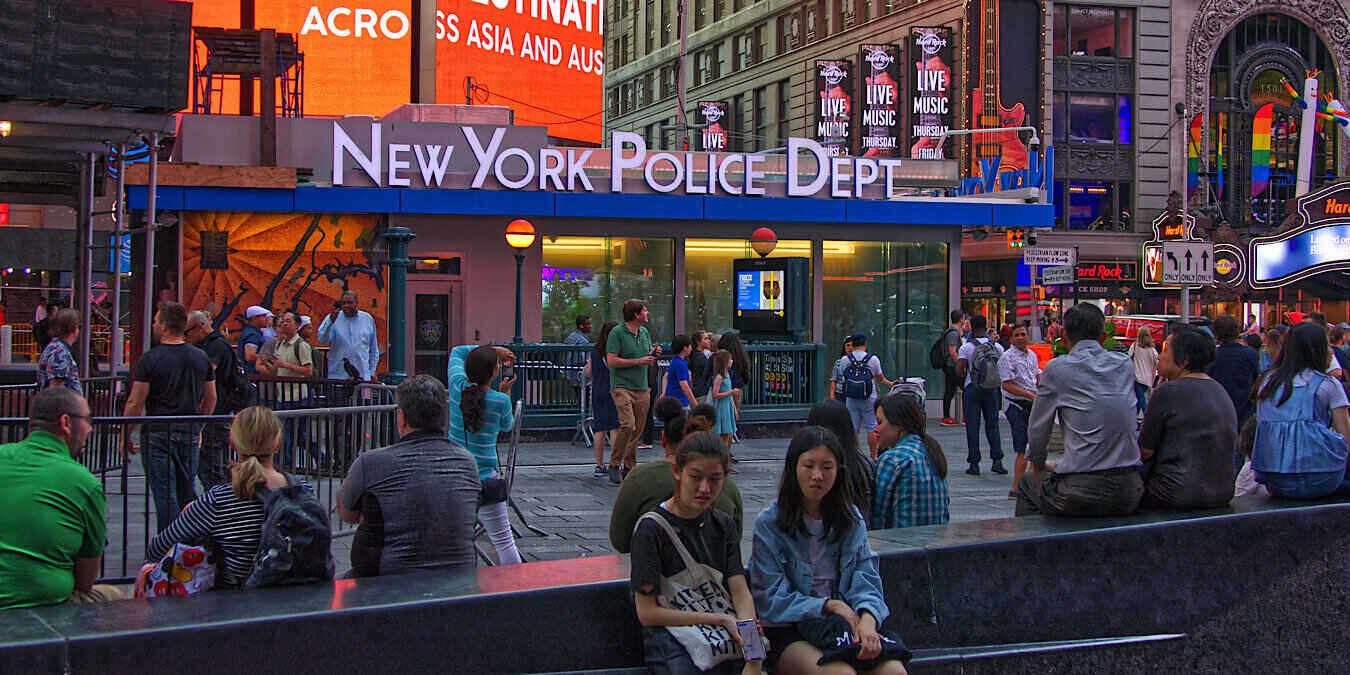

Public opinion has not changed with regard to police use of facial recognition. Additionally, this is a very sensitive time between the public and police in the United States. This makes it not a surprise that activists are fighting the police use of facial recognition in New York City. What is a surprise is that this push is from international activists.
Activists Pushing for Facial Recognition Ban
These civil rights activists have past cases on their side. Amnesty International has already fought successfully in Oakland, California; San Francisco, California; and Somerville, Massachusetts. They’re pushing for a global moratorium on police use of facial recognition technology, and their next fight will be in New York City.
Although an international group, they are backed by Legal Aid, the American Civil Liberties Union, and AI for the People in the #BantheScan campaign.
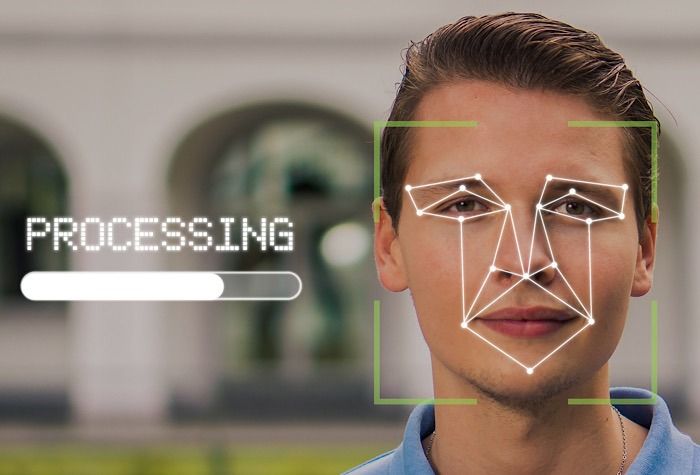
“New York is the biggest city in the country,” said Amnesty International’s Silicon Valley Initiative director, Michael Kleinman. “If we can get New York to ban this technology, that shows that it’s possible to ban it almost anywhere.”
Much of the push behind the ban is because of the technology’s bias. It’s known to be less accurate on people of color. Mostly this is chalked up to the training of the software and not enough pictures of people of color used. It’s even led to the wrongful arrests of some people.
Police Use of Facial Recognition in NYC
The NYPD is using software from Clearview AI. It was reported that the department ran 11,000 searches through the software in 2020.
The civil rights activists have a tough road ahead of them in New York City. Digital rights groups have already been fighting this cause there. The city council has passed bills regulating landlords’ and businesses’ use of facial recognition but has not banned it.
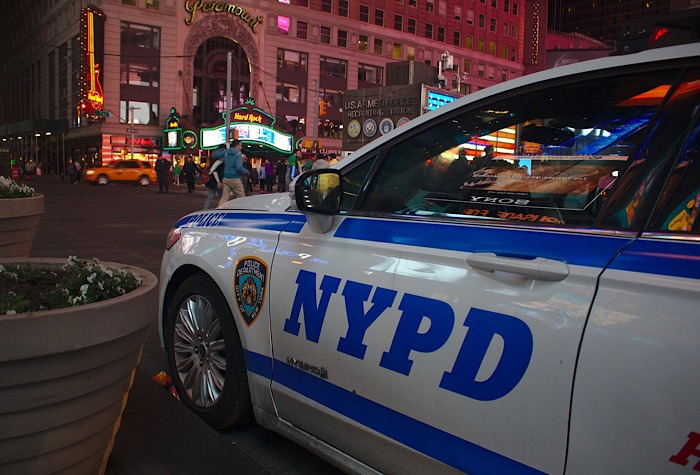
Amnesty International is lobbying for Senate Bill 579 to be passed. Sen. Brad Hoylman introduced this bill that would ban the police use of facial recognition as a whole and biometric surveillance technology. The bill would lead to more regulation as well.
“We could then evaluate whether law enforcement should be permitted to use this technology and, if so, create a regulatory framework to determine what’s prohibited, minimum accuracy standards, and protections for due process and privacy,” said Holyman.
NYPD spokesperson Det. Sophia Mason said in a statement, “The NYPD uses facial recognition as a limited investigative tool, comparing a still image from a surveillance video to a pool of lawfully possessed arrest photos. This technology helps bring justice to victims of crimes. Any facial recognition match is solely an investigative lead and not probable cause for arrest – no enforcement action is ever taken solely on the basis of a facial recognition match.”
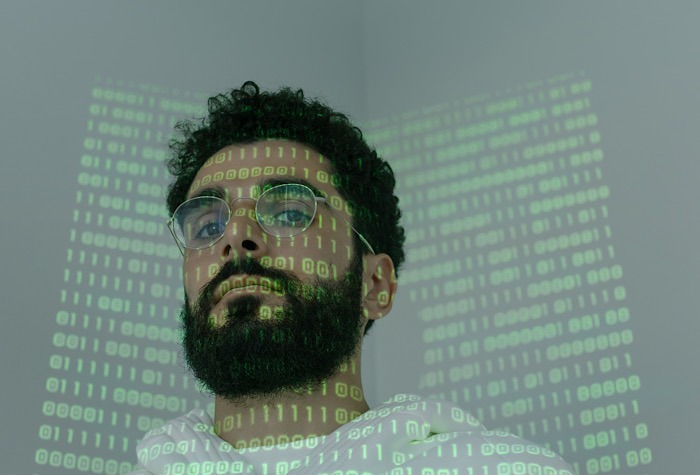
Yet, Kleinman noted, “Almost anywhere you are in New York, you risk being surveilled by the NYPD and having your image captured.”
He also questioned whether the technology is a vital tool for investigations. He finds the argument that they can’t do their job without facial recognition technology a justification for “any level of surveillance,” noting that it’s an argument that wouldn’t end.
Movement Picking Up Steam
The racial clashes last year involving the police escalated this issue. Dwreck Ingram is an organizer and co-founder of the advocacy group Warriors in the Garden, also part of the #BantheScan campaign. He is making the police use of facial recognition part of the overall discussion of police reform.
“We have a duty to be responsible stewards of the technology,” he said. “Before we implement things nationwide, before we utilize surveillance tools, we have to know the ramifications and the damages that they may cause. We have to look at how people’s information and images and faces can be manipulated and include in virtual lineups.”
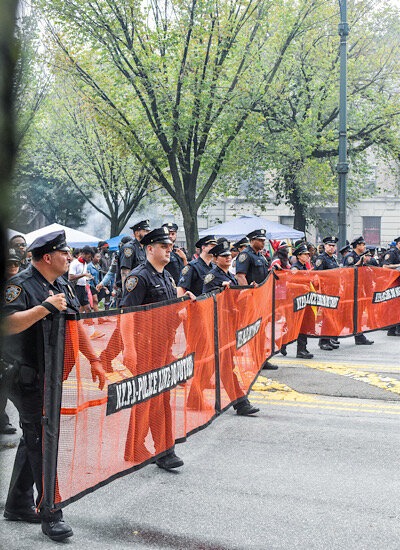
Amnesty International wants New York City dwellers to realize the situation they’re living under. They have plans to release a map that shows where all the facial recognition cameras are installed around the city.
“We want people to get a sense of just how pervasive this surveillance is,” said Kleinman. “One of the most powerful ways to do that is to show people that almost anywhere you are in New York, you risk being surveilled by the NYPD and having your image captured.”
After its New York City fight, Amnesty International plans to head to New Delhi and Ulaanbaatar in Mongolia to continue to fight for the global ban on the police use of facial recognition.
Read on to learn about the public and private ban Portland passed on facial recogntiion and how facial recognition is being used for law enforcement and why it’s concerning.