
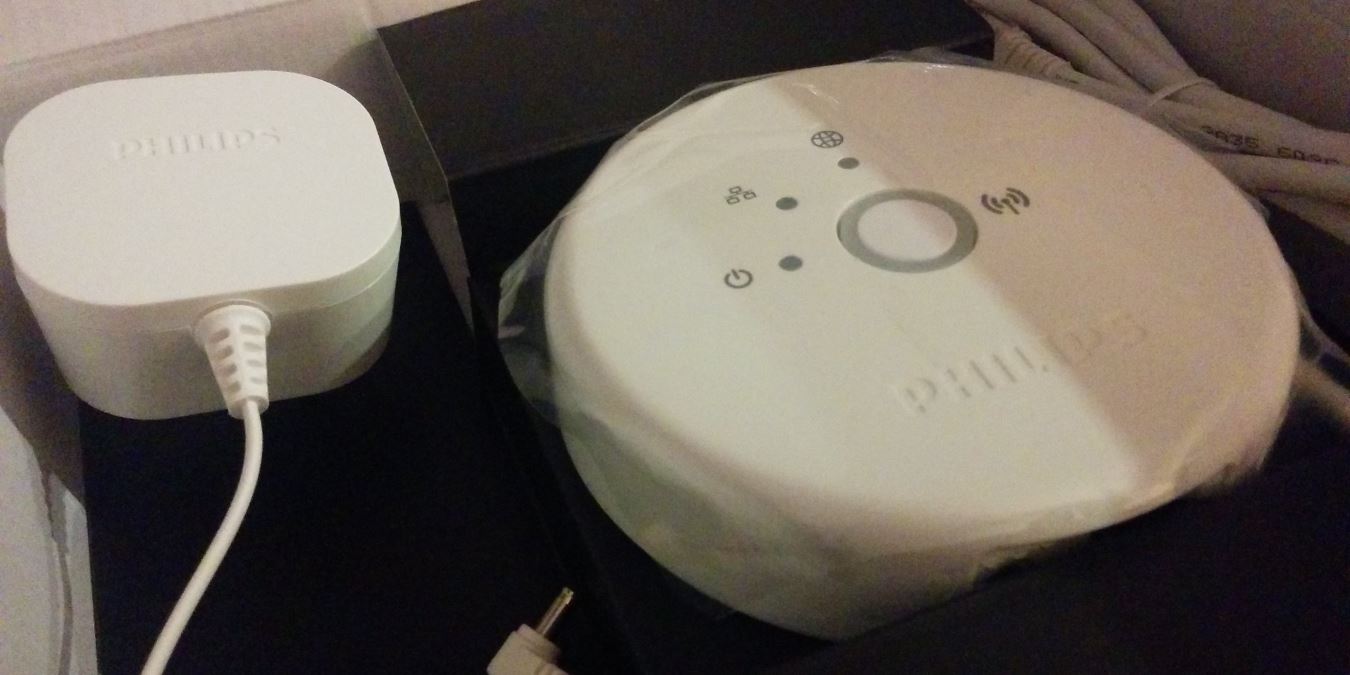

The Philips Hue is one of the larger distributors of smart lights over the years. People who purchased Philip’s first hub around 2012 should be aware that Philips will cut off its cloud access on April 30th. Anyone who wants to continue using Philips Hue should upgrade their Bridge immediately.
Why Is Philips Doing This?
It may seem somewhat unfair for Philips to do this, but it’s a part of their end of support policy. These policies are set up to cut off ties with older versions of hardware or software. Philips doesn’t want to continue updating old versions of their hubs to keep them secure, so they give a cutoff date of when the device will not receive any more support.
It’s a move that Windows users are familiar with. Microsoft is always calling for the end of support for their past operating systems, which prods people to upgrade. Unlike Microsoft, however, Philips aims to neuter the Philips Hue Bridge V1’s functionality, too.
What Is Being Removed?
Signify (who were once called Philips Lighting) says the following through their End of Support policy.
While users can still operate their Bridges offline using the app, all cloud will be removed. This includes the ability to control the lights while away from the home network. It also breaks the Bridge’s compatibility with Google Home and Amazon Alexa, which some people hoped would stick around.
A Signify spokesperson went on to say the following: “The Philips Hue team keeps working hard to enable new capabilities. Hue bridge v1 no longer has the resources to guarantee the evolution of the system – from compatibility and quality to speed and security – thus we decided to end the support for it.”
Which Devices Will this Affect?
Fortunately, this cutoff date only applies to the first version of the Philips Hue Bridge, the one that went on sale around 2012. When in doubt, take a look at the shape of your Bridge: if it’s round, you own a V1. If it’s square, it’s a later model.
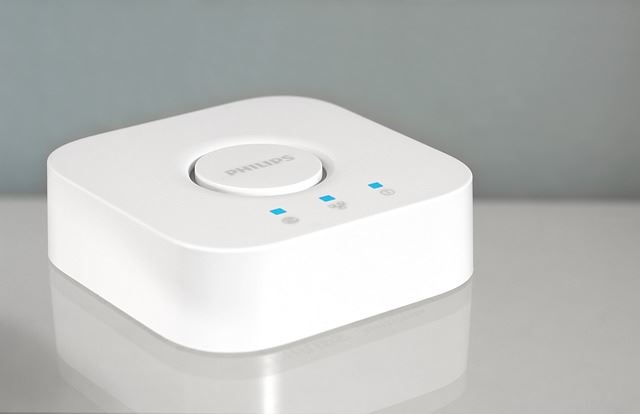
As such, if your Bridge is a later model, you can continue using your Bridge past the April 30th deadline without any hiccups. If you do own a V1, it’s worth looking into upgrading to a V2, as your Bridge will lose its cloud connectivity and receive no more security updates.
Adieu to the Hue
A lot of Philips Hue Bridge V1 owners have taken to social media by storm over the end of their hub’s support. Not only will the V1 lose security updates, but its cloud-based functionality will also be cut off. This restricts users to the offline app unless they upgrade to a V2.
Do you think the V1’s cutoff time was too soon? Does this make you wary about investing in smart home products? Let us know below.