


If you look back at some of the first selfies you took, it’s a little amazing that we used to be impressed with the quality of those photos. But as our smartphones evolve, so do their cameras. Yet in a Huawei commercial for their Nova 3i, the “selfie” highlighted was really taken by a DSLR.
Was Huawei being deceptive? Were they intentionally trying to fool people into thinking that’s the same quality they would get by taking a selfie with the Nova 3i?
The Huawei Commercial
The commercial shows a couple taking a series of selfies: at a pool party, a birthday, etc. One of them shows the woman putting on makeup while the man holds out his arm with the appearance of him taking a selfie.
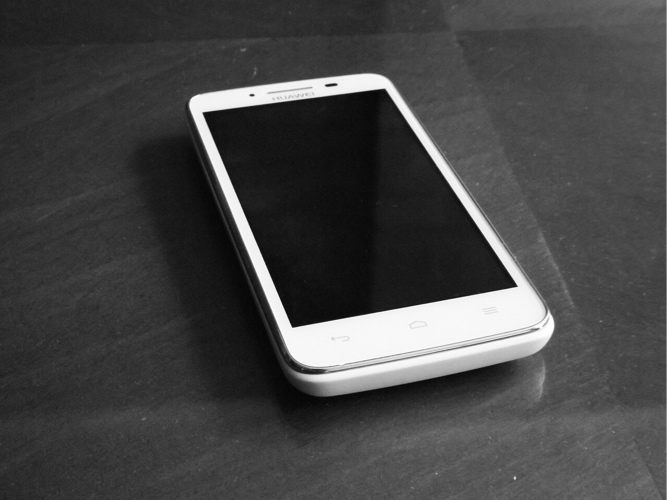
All was great. It was a fantastic ad for Huawei. An actress in the commercial then posted a photo to social media of the makeup “selfie” being taken. It was from a different vantage point than the “selfie.” It showed the man holding out his arm.
But it also showed a photographer with a DSLR camera taking a picture of them. The photo that appears in the commercial was not taken by the man holding a Huawei smartphone, as was implied; it was taken by the photographer with a digital camera.
A Reddit user pointed out that the photographer can be seen in the photo, and the actress later deleted the photo. Was Huawei intentionally deceiving the audience watching the commercial?
https://youtu.be/2Kf7g2XEWwI
The Reaction
Huawei told CNET that the commercial had a disclaimer at the end that explains the images and content that are shown are “for reference only.”
Arabic text that appears has been translated to “Product characteristics and actual specifications may vary (including but not limited to appearance, color, size), as well as actual presentation contents (including but not limited to backgrounds, user interface, and controls).”
Android Police have pointed out that Huawei has done this same type of thing before. In 2016 they used a $4,500 Canon camera to take photos that were supposed to have been snapped by a P9.

But is this deceptive? In ads for Androids and iPhones, are the photos shown taken by those devices? Or are they also taken by DSLRs? That’s the real question that should be asked. That will help determine whether Huawei was being deceptive.
The Reality of It All
There’s no doubt that smartphones take increasingly better photos. But are they going to match that of a $4,500 DSLR? Probably not. And for an ad that is going to appear online or on TV, it probably needs photos taken with a DSLR and not a smartphone.
It doesn’t seem like this is showing Huawei being deceptive so much as it’s showing the shortcomings of its selfie camera and perhaps all smartphone cameras on the front of the device. They look great for posting to Facebook and Instagram, but perhaps the quality just isn’t good enough for a commercial seen on TV or the Internet.
What do you think? Was Huawei being deceptive and trying to pass off the DSLR camera shown as a selfie taken with the smartphone? Or were they just trying to make sure that their commercial looks good? Chime in to the comments section below and let us know your thoughts regarding the Huawei commercial.
Image Credit: Screenshot from YouTube and Public Domain