


Epic Games will have to start changing its tune. After making Apple the bully in its fight against the App Store ecosystem, the FTC has fined Epic Games $275 million for violating the children’s privacy law with Fortnite and will have to refund $245 million for practices that tricked users into paying unwanted charges.
Tip: do you want to avoid the whole Fortnite mess? Check out these Fortnite alternatives.
[mte_toc]Epic Games vs. FTC
The Depart of Justice on behalf of the FTC filed two separate settlements and is forcing Epic Games to create strong privacy settings for minors. Along with accusing the FTC of tricking minors into unwanted charges and retaining children’s information without parental consent, it also left voice and text chat open on the Fortnite game by default.
“As our complaints note, Epic used privacy-invasive default settings and deceptive interfaces that tricked Fortnite users, including teenagers and children,” said FTC Chair Lina M. Khan.

“Protecting the public, and especially children, from online privacy invasions and dark patterns is a top priority for the Commission, and these enforcement actions make clear to businesses that the FTC is cracking down on these unlawful practices.”
Associate Attorney General Vanita Gupta added, “The Justice Department takes very seriously its mission to protect consumers’ data privacy rights.” This is a warning to others, as she said that the “proposed order sends a message to all online providers that collecting children’s personal information without parental consent will not be tolerated.”
Adding his two cents, Samuel Levine, Director of the FTC’s Bureau of Consumer Protection, said, “Epic put children and teens at risk through its lax privacy practices and cost consumers millions in illegal charges through its use of dark patterns.”
“Under the proposed orders announced today, the company will be required to change its default settings, return millions to consumers, and pay a record-breaking penalty for its privacy abuses.”
1st Fortnite Settlement
The first settlement is a result of an FTC complaint that alleged that Epic violated the Children’s Online Privacy Protection Act (COPPA) by collecting personal information from children under 13 and didn’t seek parental consent. Additionally, it violated a prohibition against unfair practices in leaving real-time voice and text chat on by default.
The FTC alleges that Epic Games was aware that children were playing Fortnite yet still collected personal information from them without parental consent. In addition, if parents requested that their children’s info be removed, they had to “jump through unreasonable hoops and [Epic] sometimes failed to honor such requests.”

Additionally, the FTC alleged that Fortnite used default voice and text chat settings that could harm younger users, especially when pairing children and teens with strangers to play the game. It was alleged that minors “have been bullied, threatened, harassed, and exposed to dangerous and psychologically traumatizing issues, such as suicide,” while playing Fortnite.
Those default settings were cause for alarm for at least the past five years. Epic employees had urged Epic as early as 2017 to change the defaults. Even though there were reports of children being sexually harassed while playing Fortnite, Epic Games “resisted turning off the default settings,” according to the FTC. The eventual fix was a hard-to-locate button that allowed users to turn voice chat off.
Epic will have to pay the penalty to the U.S. Treasury and will be prohibited from enabling chat for children and teens unless parental consent is given. All personal information must be deleted unless there is parental consent or the user is over 13. A privacy program needs to be created as well.
2nd Fortnite Settlement
The FTC lodged a second complaint regarding the dark patterns used to trick users into purchases, including children acting without parental supervision. The FTC said, “Fortnite’s counterintuitive, inconsistent, and confusing button configuration led players to incur unwanted charges.”
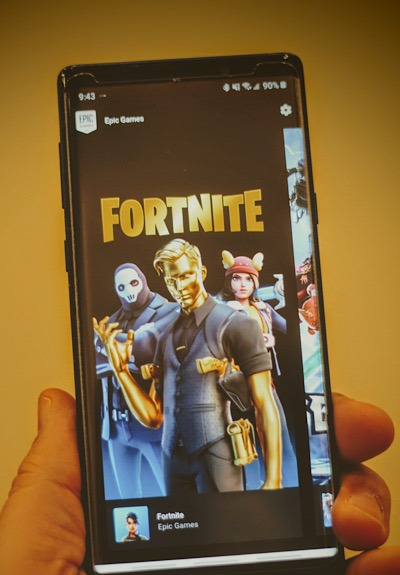
Fortnite was also accused of charging account holders without authorization. In a practice that wasn’t stopped until 2018, children were allowed to purchase digital money, which didn’t require parental consent. Further, customers who disputed the charges on their credit cards were locked out of their accounts and were then threatened with being banned for life if they disputed any more charges.
The $245 million that Epic is being fined will be used as refunds for account holders. Additionally, Epic will not be allowed to use dark patterns to charge its users without obtaining consent. Nor will it be allowed to bar users from account access if they dispute the charges.
Epic Games vs. Apple
Epic Games is no stranger to the court system, and neither is Fortnite. Epic Games took Apple to court, feeling bullied by the App Store practice of collecting a commission of up to 30% for the Fortnite app and not allowing Epic to charge customers without going through the Apple ecosystem.
Epic took Apple to court, and it was a split decision. While the court ruled that Apple was not running a monopoly, it did find that Apple violated the California Unfair Competition Law and ordered it to comply.
The Apple App Store business practices came up again with an EU law that went into effect in November. The Digital Markets Act put an end to app stores not allowing third-party apps a chance. To comply with this, Apple is reportedly considering allowing third-party apps in the App Store.
Image credit: Unsplash