


If you’re a gamer and rushed out to get a Copilot+ PC to stay ahead when it comes to artificial intelligence, you may be kicking yourself right now. While the new Microsoft PCs are top-notch when it comes to AI, they can’t play some of the most popular games, such as Fortnite.
The New Microsoft Copilot+ PCs
The new Microsoft Copilot+ PCs are designed specifically for AI capabilities. They are equipped with new silicon that can perform more than 40 trillion operations per second and include a new system architecture with CPU, GPU, and a high-performance Neural Processing Unit to enhance AI models.
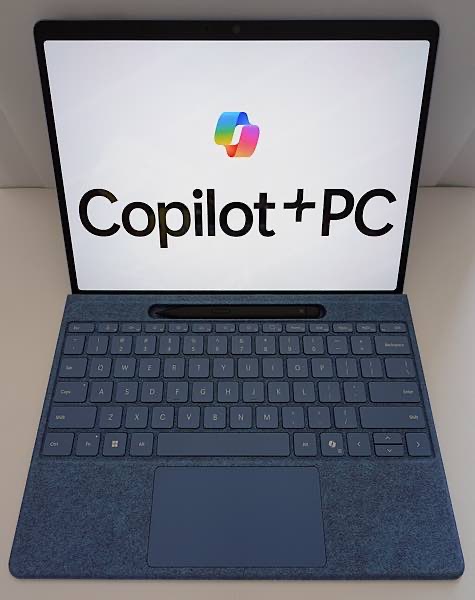
Microsoft claims these PCs are up to 20 times more powerful and up to 100 times as efficient with AI compared to previous models. There are advanced AI features, such as Recall (for finding stored items) and Cocreator (for image creation and editing).
These PCs support native running of various applications, like Chrome, Spotify, Zoom, WhatsApp, Adobe Photoshop, and more, on Arm.
Different Chips Prevent Games from Working Correctly
However, the new Microsoft Copilot+ PCs reportedly can’t play some popular games because of the chips used in the computers. They switched from Intel to Qualcomm chips. Most popular PC games, like the aforementioned Fortnite, were developed to work with Intel.
It is possible to get some of the games to work on the new Copilot+ machines, but it involves an extra step of running them through software so that they can be understood by Arm. This can lead to bugs or the game not working at all.
A research firm tested approximately 1,300 PC games to see how they worked with the Copilot+ PCs and found only about half of them worked well. There are still many, many other games that haven’t even been tested, leaving it unknown how well they work with the Copilot+ PCs.
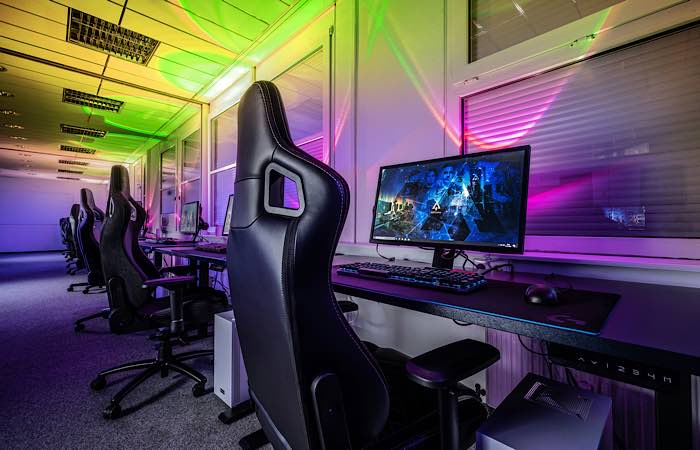
Microsoft confirmed that some games may not work well on a Copilot+ PC and pointed to titles with certain graphics requirements. It also suggested that for now, gamers who want a good experience with those games should use another PC that is more optimized for these games.
Qualcomm spoke up as well, noting that the chips used in the Copilot+ aren’t meant for gaming. However, they’re also working to resolve the situation.
One issue causing the chips not to work as well for games is the anti-cheating software built into some games, such as Fortnite. Qualcomm said it’s working with Fortnite developer Epic Games for better compatibility.
Additionally, Intel is working on its own chips for the Copilot+ PC that will work with AI. These are expected to be released this month. It may behoove you to wait for these to be released if you’re a serious gamer. Or, you may want to build your own PC. If so, check out this list of things to consider before you get started.
Image credit: Unsplash