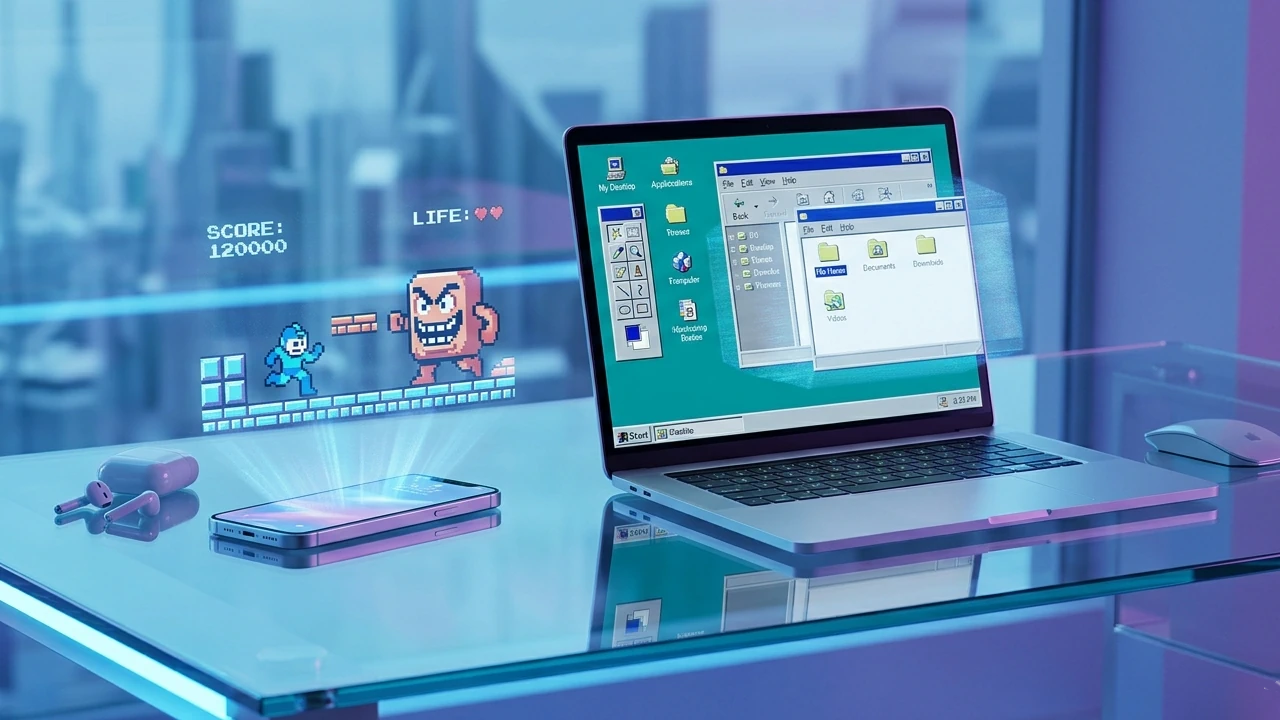
Emulation has been a hot topic for computing and gaming alike for many years now, and has only grown as a mainstream topic over time thanks to numerous efforts to break the original boundaries of software restricted to certain hardware platforms. But what is emulation? What makes it so beloved and so controversial? Let’s talk about it.
What is Emulation?
Emulation refers to the practice of “emulating” or imitating one hardware platform on another. This can vary from emulating consoles on PCs, to emulating (or “translating”, technically) Windows on Linux, or ARM CPU instructions to x86 CPU instructions, and so on. High-level emulation (HLE) refers to emulating only the essential features of specific hardware or software, while low-level emulation (LLE) refers to emulating everything, as accurate to the original hardware, CPU cycles, etc. as possible. Most emulation efforts are high-level emulation (HLE), particularly for newer hardware, but low-level emulation (LLE) is very achievable for old hardware thanks to the massively-boosted power of modern machines.
PC Console Emulation
The most commonly-known example of emulation is PC emulation of consoles – and there’s a PC emulator for virtually every gaming console ever made. Of course, the most cutting-edge of new consoles don’t tend to have particularly developed emulation solutions, and some old machines just haven’t had much emulation development at all… but PC emulation of consoles is one of the strongest strengths of the PC platform at large. PCs can also emulate arcade machines and other specialized hardware, too.
Console Emulation (of Consoles)
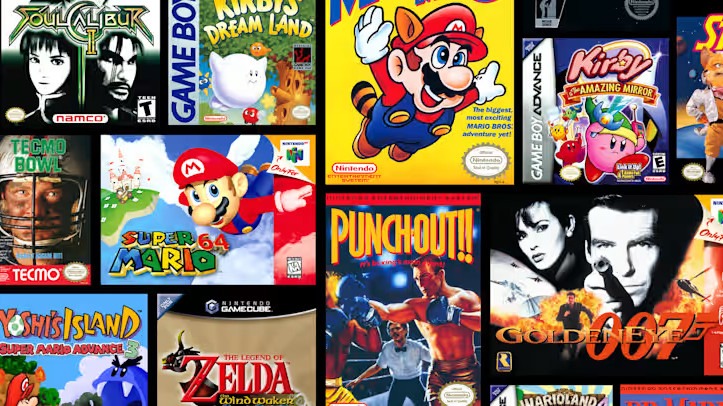
While it’s usually not marketed as emulation, emulation is quite common on modern gaming consoles, too, as a measure of backward compatibility. Nintendo Switch Online is a subscription service that provides official emulation of select games from older Nintendo consoles. Modern Xbox and PlayStation consoles can emulate some or all of the older consoles, if emulation is even necessary (and it isn’t always). While these companies (particularly Nintendo) likely wouldn’t want you to know what emulation is, they do use it, and it is a real part of the products being sold to you.
PC/Phone/Laptop Emulation (of Other PCs, etc)
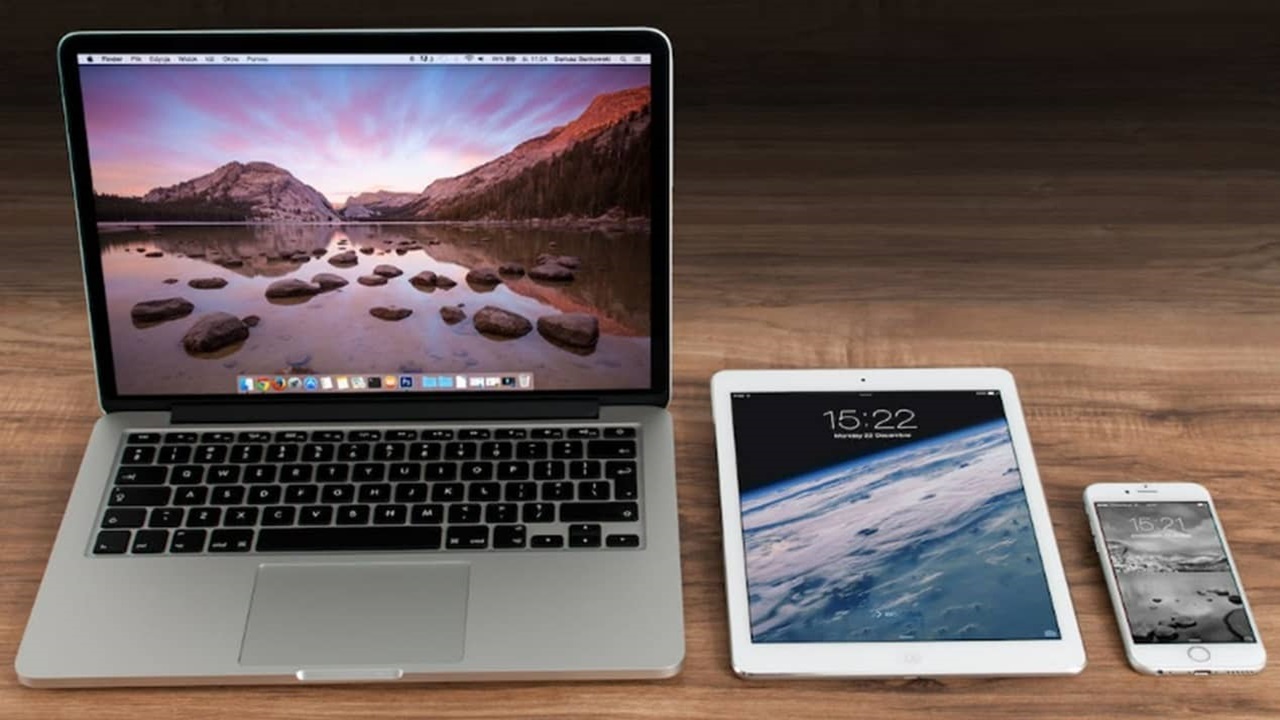
Emulation also isn’t necessarily gaming-exclusive terminology. Particularly with the launch of Valve’s Linux-based Steam Deck targeted at playing Windows games and the launch of more powerful Qualcomm Snapdragon desktop/laptop processors, we’ve seen a major push from hardware and software vendors alike to break down the barriers between Windows and Linux, x86 CPUs and ARM CPUs, and so on. Some of these use cases are straight-up emulation and others are more like “translation layers”, i.e. Proton or WINE for Linux running Windows games/apps.
But for x86 software to be run on ARM or vice versa, some degree of hardware emulation is required, and has become mainstream for both Windows and Mac OS-based PCs. There are numerous benefits to this, like being able to run x86 games and software on cheaper, more power-efficient ARM hardware, but various compatibility issues can and do emerge. For most PC users, sticking with x86 hardware and software is likely the best answer for the foreseeable future – but impressive advances have been made, and will continue for some time.
The Benefits of Emulation
Lower Input Lag (on PC)
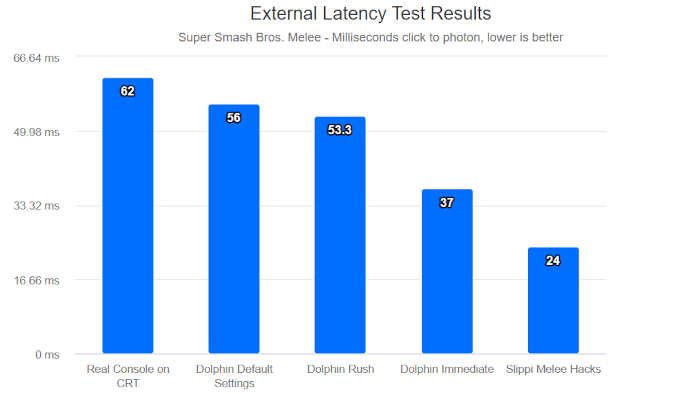
A huge benefit of emulation for games is the ability to lower input lag compared to what was possible on original hardware. We’ve seen numerous examples of this, but one of the most prominent examples include the Dolphin GameCube and Wii Emulator, as well as the Slippi branch made exclusively for playing Super Smash Bros. Melee online. With the help of emulation advancements, it’s now possible to emulate games with better input lag and responsiveness than was ever possible on original hardware.
Game/Console Preservation and Study
Another important factor to consider with emulation is game preservation. Fact is, a majority of retro titles are simply no longer sold or produced in any meaningful way, and the hundreds you may spend to build a retro collection these days won’t go back to the original developers or manufacturers, if they even still exist.
Emulation breaks down a lot of those walls and helps keep unsupported hardware and software relevant long past their original discontinuation dates. Sometimes this even means entirely new software can be developed for old hardware, and sometimes it just means a burgeoning game developer can study what came before in hopes of making the next great original video game in their genre of choice.
Game Mods
Another huge benefit of emulation for gaming can be seen in mods developed just for emulators, like HD textures and FPS unlocking patches. Sometimes, this can even mean the revival of discontinued online services for certain games or consoles!

One of the most transformative examples, in my humble opinion, was the addition of 60 FPS support for Super Mario Sunshine running under Dolphin. That update dropped in February 2015 – five years before the September 18th, 2020 release date of Super Mario 3D All-Stars for Nintendo Switch provided support for 60 FPS in an official release. A lot of advances made by the emulation and modding community wind up making their way back to the official products.
The Downsides of Emulation
Piracy
An undeniable downside of emulation, especially for vendors still in business who are selling a legitimate manner to access their games, is piracy. This is why Nintendo is so militant against fan emulation efforts on PC – its whole business model revolves around you buying Nintendo hardware to play Nintendo games, after all.
While emulation does not necessitate piracy, it’d be disingenuous to pretend that it doesn’t lower at least one barrier to it. If you’re a genuine fan of games from a certain studio, I can’t emphasize enough the importance of supporting official releases wherever possible, and pursuing legitimate methods of acquiring games prior to emulating them.
Higher Input Lag or Graphics/Performance Loss
Another problem with emulation, especially on weaker hardware platforms like mobile phones, is an increase in input lag or other losses in graphics and performance. Not all emulation software is as polished as Dolphin is, and particularly for young emulators or weak hardware, you can have a substantially worse experience with emulation compared to original hardware. One example that sticks out to me is the prevalence of Nintendo DS-styled emulation handhelds on the market – while they do indeed support DS games, the added input lag on touch inputs can worsen the experience.
Potential Loss of Authenticity
Finally, arguably the biggest downside of emulation from an enthusiast’s perspective is a loss of authenticity. Console games are built around their specific hardware and input methods – input methods you may not have on PC or mobile. Did you know the first three PlayStation consoles all had pressure-sensitive face buttons? Games that make heavy use of those features, like Metal Gear Solid 2 and Metal Gear Solid 3, are fundamentally tainted by playing with a controller that doesn’t have those features. It makes a non-lethal run in the latter very difficult, let me tell you.
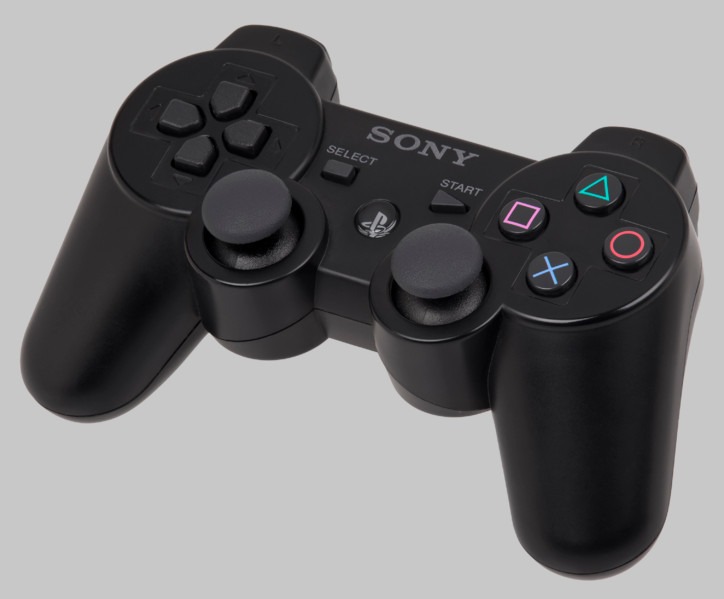
But sometimes there is fun to be had in a lack of authenticity. For example, the Metroid Prime Trilogy of first-person shooter games can be played with mouse and keyboard on PC, whereas they were originally locked to a GameCube controller or Wii Remote + Nunchuk setup on original hardware. That’s pretty cool, honestly.
And while PC and mobile emulation can detract from the ways games are originally intended to be played, there usually is a way to get those original control methods working on PC. Dolphin supports GameCube Controllers, Wii Remotes and the like perfectly fine on PC. Steam Input also supports virtually every console controller ever made at this point, complete with support for touch-sensitive and motion inputs.
Parting Words
I hope this article improved your understanding of emulation, and gave you the information you were looking for before potentially diving in. Whether you’re pursuing official or unofficial emulation methods, emulation can be an awesome way to keep the history of gaming and software alive. Just remember that original hardware has its own merits, too – and the creators of your favorite software also need to eat if you want to keep getting it.