Long Reads

Longer explainers,
fewer dead ends.

Deeper how-tos, history, and tech explainers from the Make Tech Easier editorial team. Pieces here get extra research and review.

News

In October 2002, a Russian scientist named Dimitri Malashenkov stood up at a space conference in Houston and quietly explained that the dog Laika, whom the Soviet Union had publicly mourned as a heroic week-long orbiter in 1957, had actually died of heat and panic within about five hours of launch.

In October 2002, a Russian scientist named Dimitri Malashenkov stood up at a space conference in Houston and quietly explained that the dog Laika, whom the Soviet Union had publicly mourned as a heroic week-long orbiter in 1957, had…

News

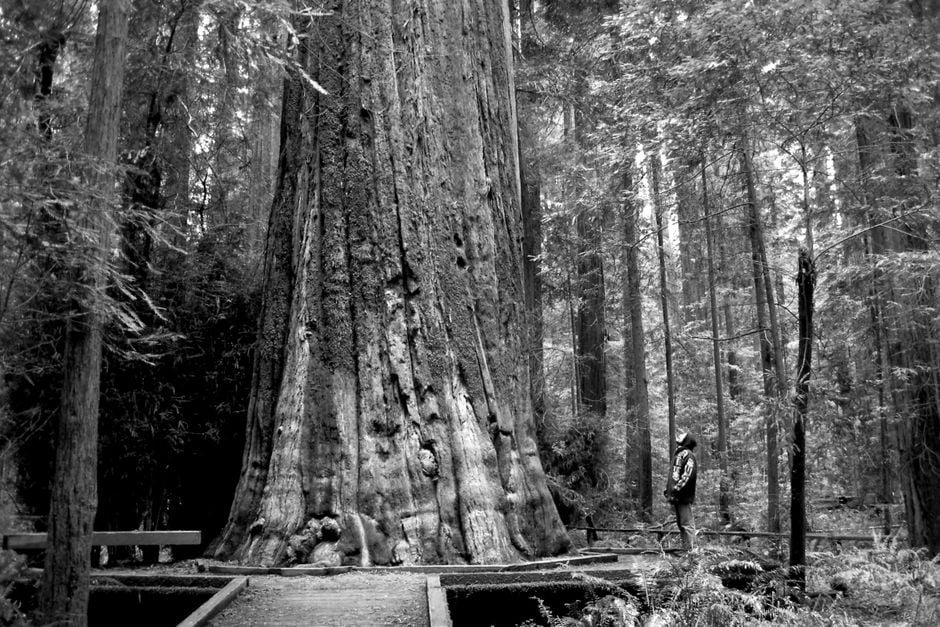
In August 2006, naturalists Chris Atkins and Michael Taylor waded into a remote grove in Redwood National Park and pointed a laser rangefinder at a tree that turned out to be 380 feet tall, and the National Park Service has refused to disclose its location ever since, fearing the foot traffic alone would kill it.

In August 2006, two naturalists named Chris Atkins and Michael Taylor waded through ferns and fallen branches in a remote corner…

Tech Explained

Inside a six-walled wedge-foam chamber on Microsoft's Redmond campus, the background sound is so far below human hearing that visitors start to perceive the grinding of their own joints, the rush of blood in their ears, and eventually a faint ringing that turns out to be the firing of their own nerves.

Building 87 on Microsoft's Redmond campus contains a room that registers a background sound level of negative 20.35 decibels, a…

Tech Explained

In November 1988, an unmanned Soviet space shuttle called Buran flew a full orbital mission and landed itself in a blizzard at Baikonur without a single human input, and three years later the country that built it no longer existed.

On the morning of November 15, 1988, a Soviet spacecraft named Buran lifted off from the Baikonur Cosmodrome in Kazakhstan, circled the Earth twice, and landed itself on a runway in a snowstorm with crosswinds.

Tech Explained

In 1901, sponge divers off the Greek island of Antikythera pulled a corroded lump of bronze out of a Roman shipwreck, and it sat in an Athens museum for half a century before anyone realised they had found a 2,000-year-old computer that could predict eclipses 19 years in advance.

In the spring of 1900, a crew of Symi sponge divers en route to fishing grounds off North Africa were forced to shelter from a storm off the island of Antikythera.

Tech Explained

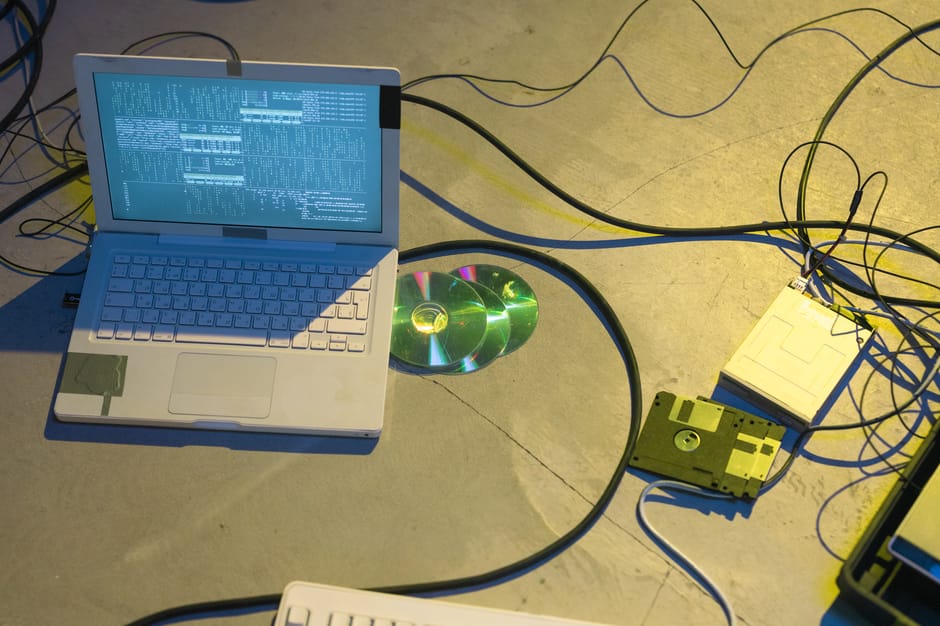
When Boeing 747-400 pilots needed to update their navigation database as late as 2020, a technician would walk onto the flight deck with eight 3.5-inch floppy disks and feed them one at a time into a slot beside the captain's seat, because recertifying anything newer than the 1989 avionics would have cost hundreds of millions of dollars.

As recently as 2020, updating a Boeing 747-400's navigation database meant a technician boarding the aircraft every 28 days with…

Tech Explained

When the U.S. military finally deployed frequency-hopping spread spectrum on Navy ships during the 1962 Cuban Missile Crisis blockade, the patent that described the technique had expired three years earlier, and its inventor was watching the news in a Los Angeles bungalow without any idea her idea was at sea.

On August 11, 1942, the U.S. Patent Office granted Patent No. 2,292,387 for a "Secret Communication System" to two inventors with unusual day jobs.