
Long Reads

Longer explainers,
fewer dead ends.

Deeper how-tos, history, and tech explainers from the Make Tech Easier editorial team. Pieces here get extra research and review.

News

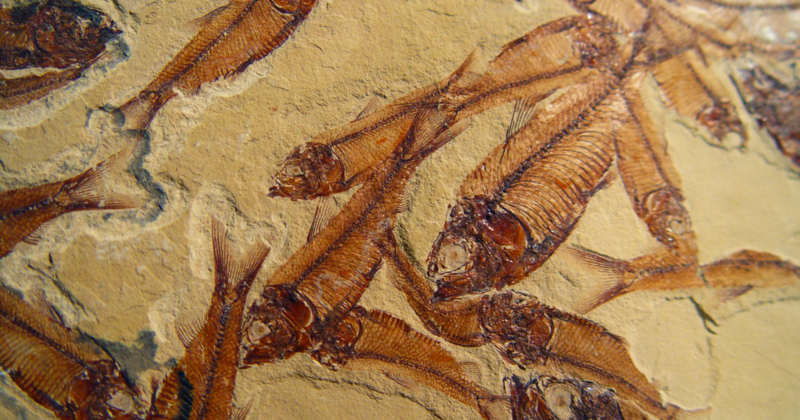
When seismic waves from the Chicxulub impact reached what is now North Dakota roughly ten minutes after the asteroid struck, they appear to have triggered a ten-metre standing wave in an inland river that flung fish onto the bank and buried them under glass beads still falling from the sky.

Robert DePalma was digging at a ranch in the Hell Creek Formation of southwestern North Dakota, in a place he eventually named Tanis.

Tech Explained

When Clair Patterson set out in 1948 to measure the age of the Earth using lead in meteorites, his samples kept coming back contaminated, and the seven-year detour he took to find the source ended with him almost single-handedly forcing leaded gasoline out of American cars by 1986.

In 1948, Clair Patterson was a graduate student at the University of Chicago with a deceptively simple assignment from his advisor Harrison Brown: measure the age of the Earth by counting lead isotopes in meteorites.

Tech Explained

Every Apollo guidance computer that flew to the Moon had its software literally woven by hand at a Raytheon factory outside Boston, where women threaded copper wire through tiny magnetic cores to encode each bit as either a one or a zero, a process the engineers nicknamed LOL memory for Little Old Lady.

The Apollo Guidance Computer that landed Neil Armstrong and Buzz Aldrin on the Sea of Tranquility in July 1969 ran on software…

Tech Explained

When Soviet pilot Viktor Belenko landed a top-secret MiG-25 at a Japanese airport in September 1976, American engineers tearing it down expected to find titanium and microchips, and instead they found vacuum tubes, rivets popped by hand, and a stainless steel airframe so heavy it could only fly fast in a straight line.

On the morning of September 6, 1976, a Soviet Air Defense Forces lieutenant named Viktor Belenko shoved the throttles forward on…

News

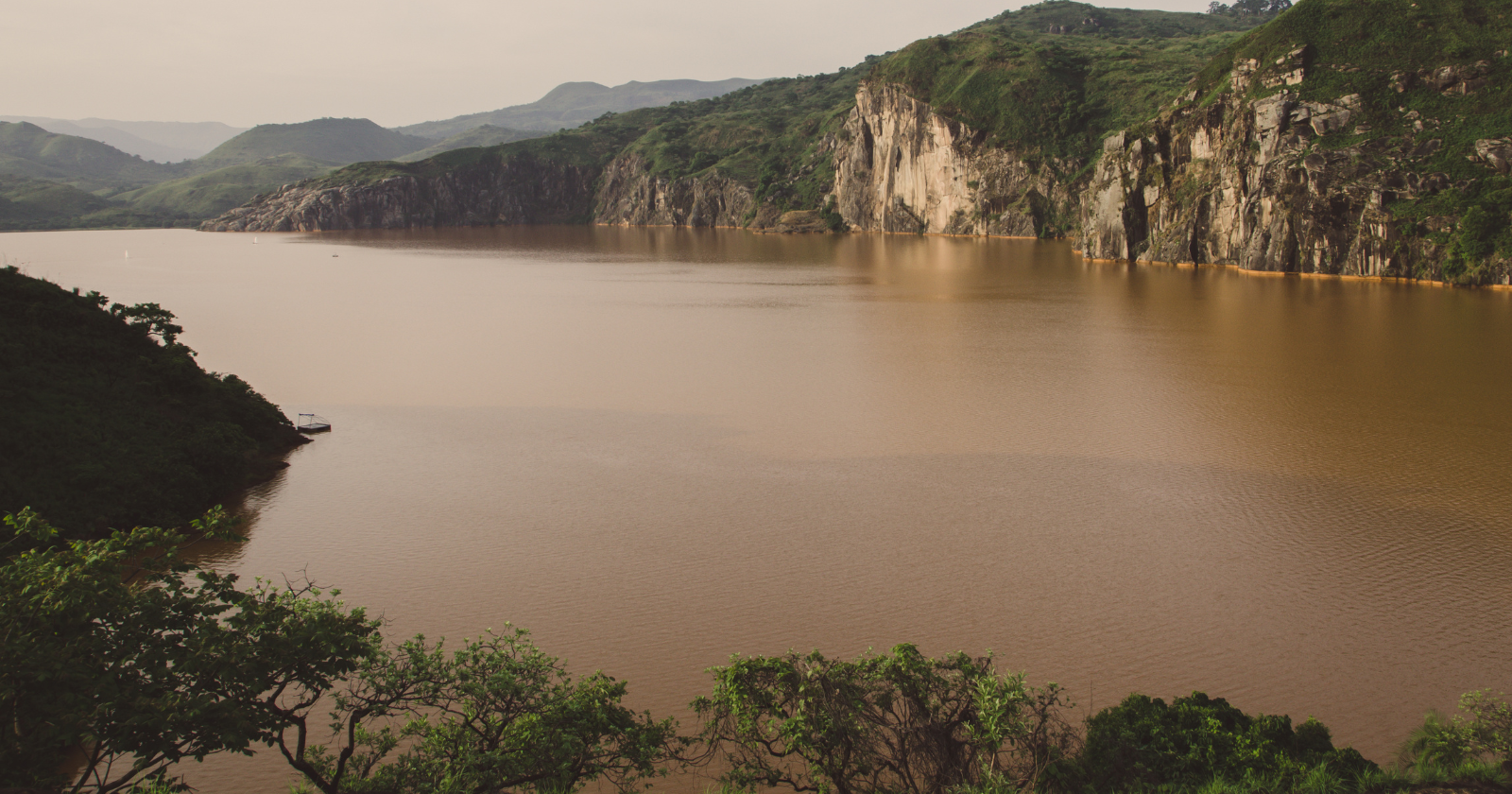
When survivors near Lake Nyos woke on the morning of 22 August 1986, the cattle were dead in the fields, the birds had fallen out of the trees, and 1,746 of their neighbours were lying where they had stood the night before, with no fire, no flood, and no wound to explain it.

Just before 10 p.m. on 21 August 1986, a low rumble rolled across the hills above Lake Nyos in northwestern Cameroon, loud enough that survivors later described it as thunder in the distance.

Lifestyle

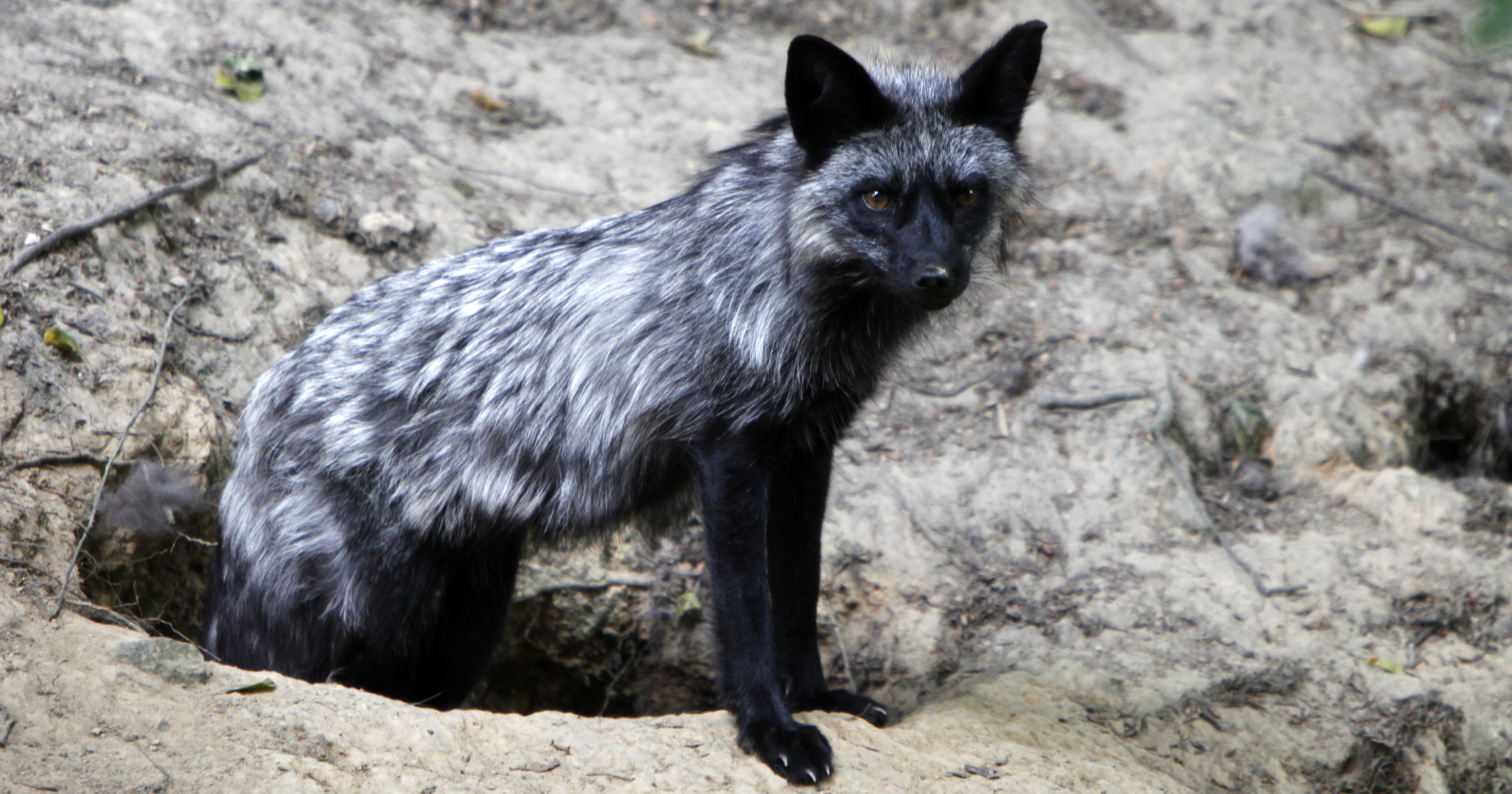
In 1959, a Soviet research team in Novosibirsk began breeding silver foxes for nothing but tameness, and within forty generations the animals had floppy ears, curled tails, piebald coats, and a bark, traits no one had selected for but which appeared on their own once fear was removed.

In 1959, Soviet geneticist Dmitri Belyaev began a breeding experiment in Novosibirsk with a dangerous simplicity: choose only the silver foxes least likely to fear a human hand, and ignore everything else.