It seems Facebook users are lulled into a sense of security when they join or start a closed group. The name itself gives the illusion of total privacy, implying no one can join, read, or view the group that isn’t invited. However, there are people who view the content: marketers.
The Trouble with Facebook’s Closed Groups
A popular use of these groups is for medical reasons, such as people who have dealt with a certain disease all joining the same group where they can share ideas, treatments, successes and failures, etc.
United States Representatives Frank Pallone Jr., the chair of the House Energy and Commerce Committee, and Jan Schakowsky, chair of the Consumer Protection and Commerce Subcommittee, sent an open letter to Facebook CEO and creator Mark Zuckerberg. They questioned the privacy practices of Facebook, as well as how it handles closed groups, specifically those dedicated to medical issues.
This was after a consumer complaint was filed with the Federal Trade Commission late last year. It claimed the personal information of the social network users who are in closed groups could have been made available to companies who shouldn’t have been able to access it.
The complaint explained that closed group users discuss information about “substance abuse disorders, about the challenges of parenting transgender children, HIV status, and past history of sexual assault.”
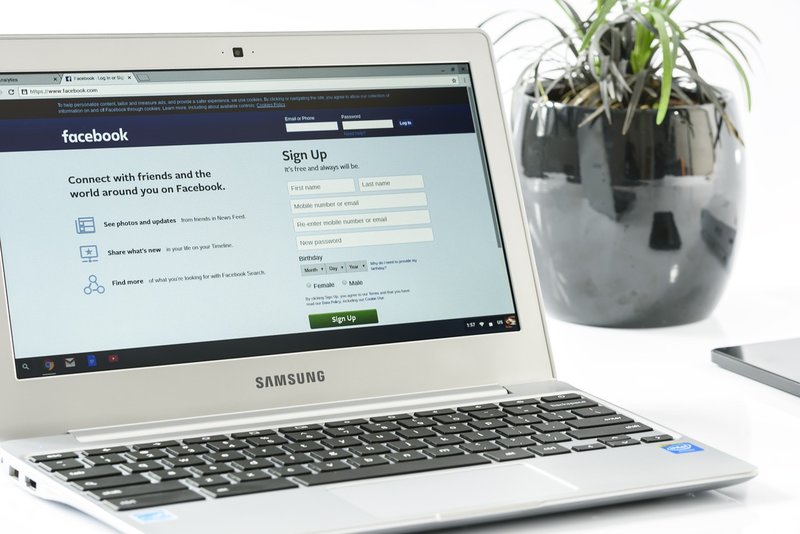
The FTC complaint furthered this, alleging that the algorithm Facebook uses “nudges” users into joining closed groups. It also alleged that the social network misleads its users into the belief that the information they share in closed groups will remain private and anonymous. They believe even insurance companies could have access and could use the information to make decisions related to the insurance of users.
Facebook Incredulously Defends Its Practice
Facebook defended the practice in a statement to Gizmodo, explaining it’s “not an anonymous platform; real-name identity is at the center of the experience and always has been,” read the email from a company spokesperson.
“It’s intentionally clear to people that when they join any group on Facebook, other members of that group can see that they are a part of that community and can see the posts they choose to share with that community. There is value in being able to know who you’re having a conversation with in a group, and we look forward to briefing the committee on this.”
It’s quite unbelievable that after all they have been through and been accused of in the past few years that Facebook would actually blame the users. Sure, at this point, it’s probably best to assume that anything that has to do with Facebook is not private, but the groups are referred to as “closed.”
Do you make use of closed groups in Facebook? Are any of them dealing with medical issues? Does this news concern you? Let us know your thoughts about Facebook allowing companies access to your private discussions in closed groups in the comments below.