
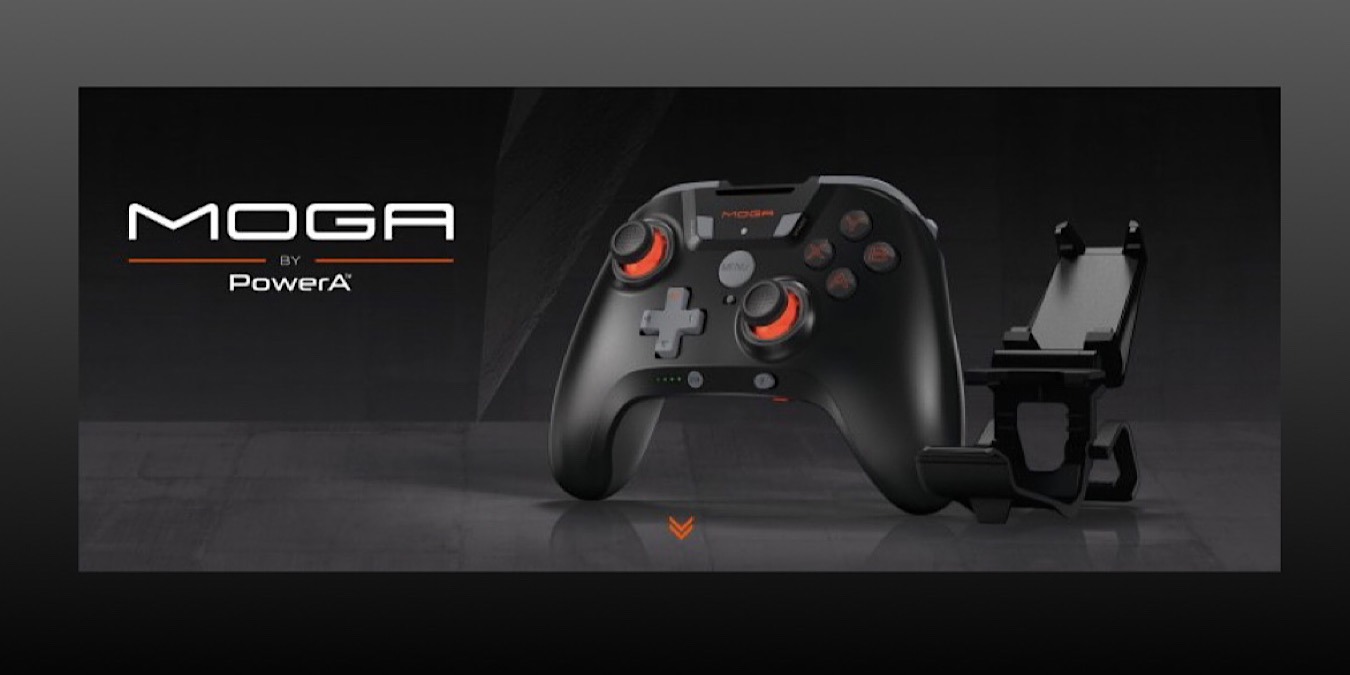
Save 25% on a PowerA MOGA SP5-A Plus Controller

We may earn a commission from links on this page.
Deal pricing and availability subject to change after time of publication.
Deal Powera Moga Controller Featured

You don’t need to be confined to the small touchscreen to play games on your Android. You can put a controller in your hand and feel just like you’re playing on a regular gaming system. With the PowerA MOGA SP5-A Plus Controller, you’ll get all of that experience you’re looking for, whether you’re playing on your Android phone or tablet, PC, or a cloud gaming platform. You can play on all those platforms with just this one controller.

Eliminate the awkwardness of controlling your games on your smartphone and go with what feels familiar to you when you play mobile games with this Bluetooth controller. Along with your Android and Windows, you can also use the controller to play on Android-compatible smart TVs and VR headsets.
Deal Powera Moga Controller Android

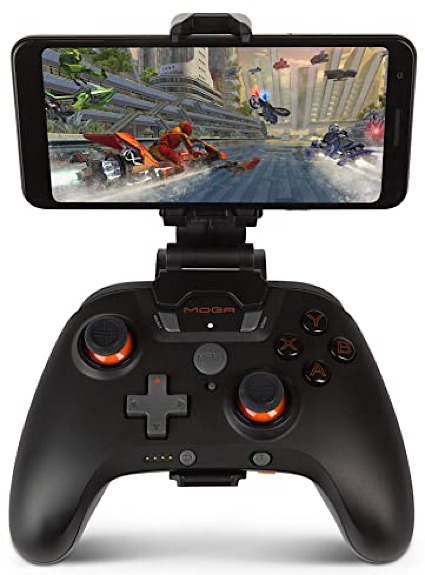
The PowerA MOGA SP5-A Plus Controller utilizes Bluetooth 4.2 Low Energy support to connect wirelessly, or you can connect through a wired connection as well. Attach the gaming clip and insert your Android phone and play over 1000 games. The clip easily adjusts to your preferred viewing angle and also features pass-thru for charging your device. It includes a kickstand as well to prevent it from tipping over.

Optimize your gameplay on the PC with the Steam, Stadia, and PlayStation Now platforms by mapping two buttons on the back of the controller to quickly change button assignments between characters or weapons. This feature is certain to help you gain a competitive edge in your game.

Save 25% on this Bluetooth controller and pay just $52.50.

PowerA MOGA SP5-A Plus Controller

Make Tech Easier may earn commission on products purchased through our links, which supports the work we do for our readers.

Subscribe to our newsletter!

Our latest tutorials delivered straight to your inbox

Laura Tucker Avatar

Read next

French scientist Michel Siffre spent two months alone in a cave with no clock, no calendar, and no sunlight — and when his team finally told him the experiment was over, he thought he still had nearly a month left underground
When Cingular chief Stan Sigman backed the original iPhone before its 2007 unveiling, he accepted terms American carriers usually refused: no logo on the device, no control over its software, no preloaded apps, and a share of monthly subscriber revenue flowing back to Apple, after signing on without seeing a prototype
In 2016, archaeologists dated two rings of snapped stalagmites in France’s Bruniquel Cave to 176,500 years ago, evidence that Neanderthals had walked 336 metres into darkness with fire and built architecture deep underground long before modern humans reached Europe
Otto von Bismarck was 74 when Germany adopted the world’s first national old-age social insurance program in 1889, setting the pension age at 70 after years of fighting socialists with bans, laws, and a promise few workers would live long enough to use
When cosmonaut Valeri Polyakov stepped out of his Soyuz capsule in March 1995 after 437 consecutive days aboard Mir, doctors recorded him at several centimetres above his pre-flight height, and his spine had become so unaccustomed to gravity that the recovery team carried him to a chair rather than risk the compression of letting him walk.
When Harvard astronomer Cecilia Payne submitted her 1925 doctoral thesis arguing that the Sun was made almost entirely of hydrogen, the field’s senior figure Henry Norris Russell talked her into adding a line calling the result ‘almost certainly not real,’ and then published the same conclusion himself four years later to widespread acclaim.
When Edme Mariotte stared at marks on a wall in the 1660s, one mark vanished inside a six-degree hole where the optic nerve leaves the eye and the brain has been filling in wallpaper, sky, and faces ever since
When seismic waves from the Chicxulub impact reached what is now North Dakota roughly ten minutes after the asteroid struck, they appear to have triggered a ten-metre standing wave in an inland river that flung fish onto the bank and buried them under glass beads still falling from the sky.