
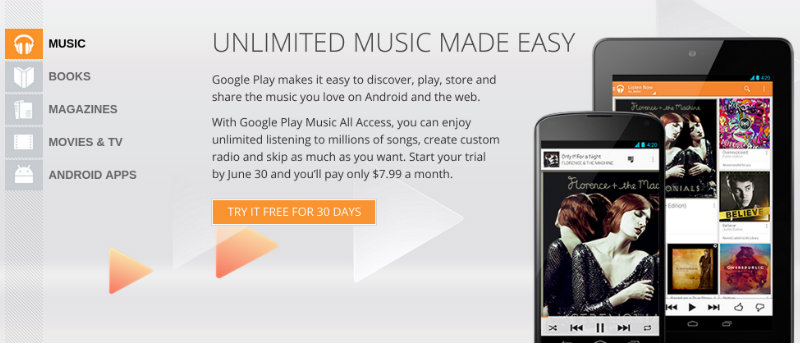

Google didn’t introduce many new products for consumers during this year’s Google I/O. Sure, they unveiled improved search functionality and and a revamped Google Maps, but these didn’t stir nearly the excitement that Google Glass, the Nexus 7, and new versions of Android did at prior events. This year, Google returned the focus of its conference back to developers. But the conference wasn’t entirely without consumer-related flair. The search giant introduced Google Music All Access, it’s answer to the streaming music trend changing the music landscape.
What Is All Access?
All Access is an expansion of Google Music that introduces streaming radio. Subscribers can select any song in their music collection and start a radio station. Google will pull in songs from outside of a user’s personal collection, effectively replicating what people have come to expect from services like Pandora. Listeners can then add any song or album that they like to their personal collection. In this way, All Access is a great means of both discovering new music and artificially inflating the size of your music collection. Anyone who cancels their subscription loses access to all of the songs they added to their library through the service.
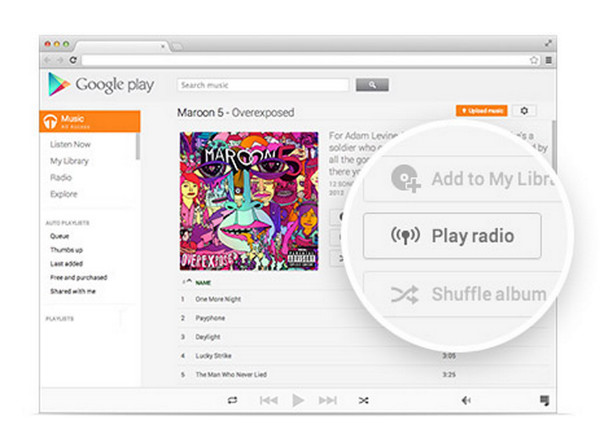
All Access exists alongside the Google Play music store, which people can still buy music from. With the addition of All Access, music aficionados can listen to or acquire music in whatever manner they prefer. People can upload music to Google Music simply as a means of backing up their songs without ever buying music through the service. Others can use the service as a way to carry their music with them on their phones and occasionally buy new albums through the store yet have zero interest in paying for access to music that they don’t own. Then there are those who have grown accustomed to streaming music services and aren’t concerned about owning music, but like the convenience that comes with using Play Music on their Android devices.
A Changing Landscape
The music industry has changed substantially over the past decade. People first transitioned from using portable CD players to lightweight MP3 players. They started ripping songs off their physical collection of albums and storing them digitally on their PCs. Then consumers began to purchase digital tracks directly. The iPod and iTunes dominated the industry until smartphones entered the market in mass. People began to leave their MP3 players at home and carried music on their phones.
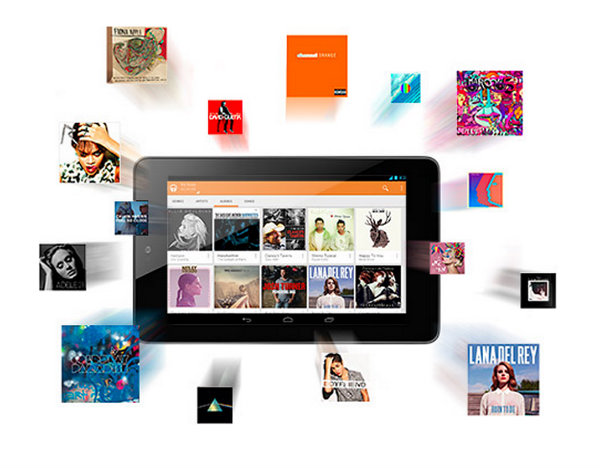
At this time, music still had to be transferred by plugging smartphones into PCs. Services like Pandora debuted and curbed many people off building and managing their own music collections. Spotify popped up and gave streamers even more control, allowing them to take any song they heard and add it to their own personal collection. All Access goes even further by replicating the look and feel of a personal library of music. Google is aware of the changing musical landscape and has created a product for both owners and streamers alike.
Device Empowerment
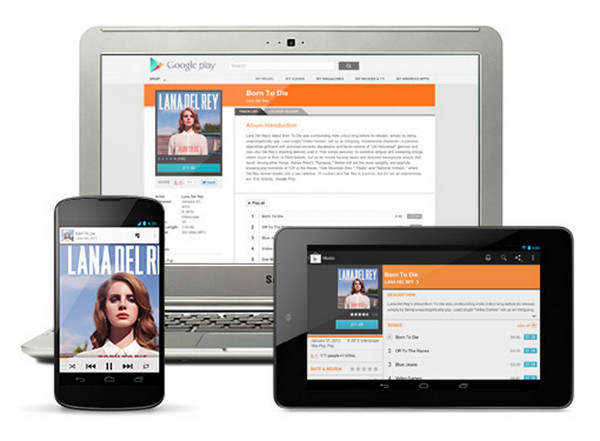
Consumers now own desktops, laptops, tablets, and smartphones. Their homes are increasingly filled with devices, and they no longer want to bother copying files across to each new device. For many, managing digital files has just become too much of a hassle. That is why Play Music is accessible across all of these devices. Someone who has uploaded music to Google Music or has paid for All Access can stream music through their browser on any computer. They can listen to music on their tablets and smartphones, even choosing to have offline access to songs so they can listen to music on to go without incurring excess data charges. All Access is like having access to your favorite albums and favorite stations wherever you are and on whatever device you have nearby.
Conclusion
All Access has different origins than its competitors. Google Music began as a means of uploading a personal collection and streaming it anywhere. The Play Store came later, hoping to replicate the ease-of-use for Android users that iOS users have buying music through iTunes. All Access is an extension to a pre-existing service, not a new product all its own. It integrates deeply both with Google Music and the Play Store, which is why it’s nigh impossible to talk about it on its own. A subscription to All Access will cost $9.99 a month, but people who commit before June 30 can get the service for just $7.99. I suspect that there are many people who hadn’t been tempted by the streaming music bandwagon before but are about to jump on board now. I’m one of them.