Long Reads

Longer explainers,
fewer dead ends.

Deeper how-tos, history, and tech explainers from the Make Tech Easier editorial team. Pieces here get extra research and review.

Gaming

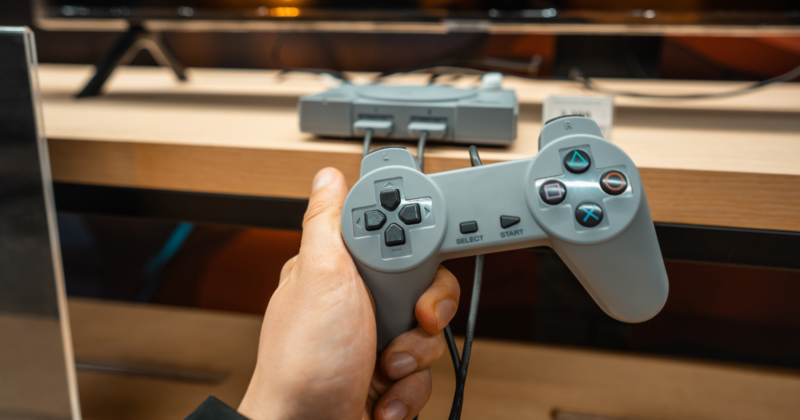
When Japan’s trade ministry put the PlayStation 2 under export control in April 2000, its 6.2-gigaflop hardware was considered adaptable for missile guidance, briefly forcing anyone exporting more than one console to seek government approval

For a few strange months in 2000, Sony's new games console sat awkwardly on the same US export-control list as cruise-missile guidance computers — because the Emotion Engine inside it really was that fast.

Tech Explained

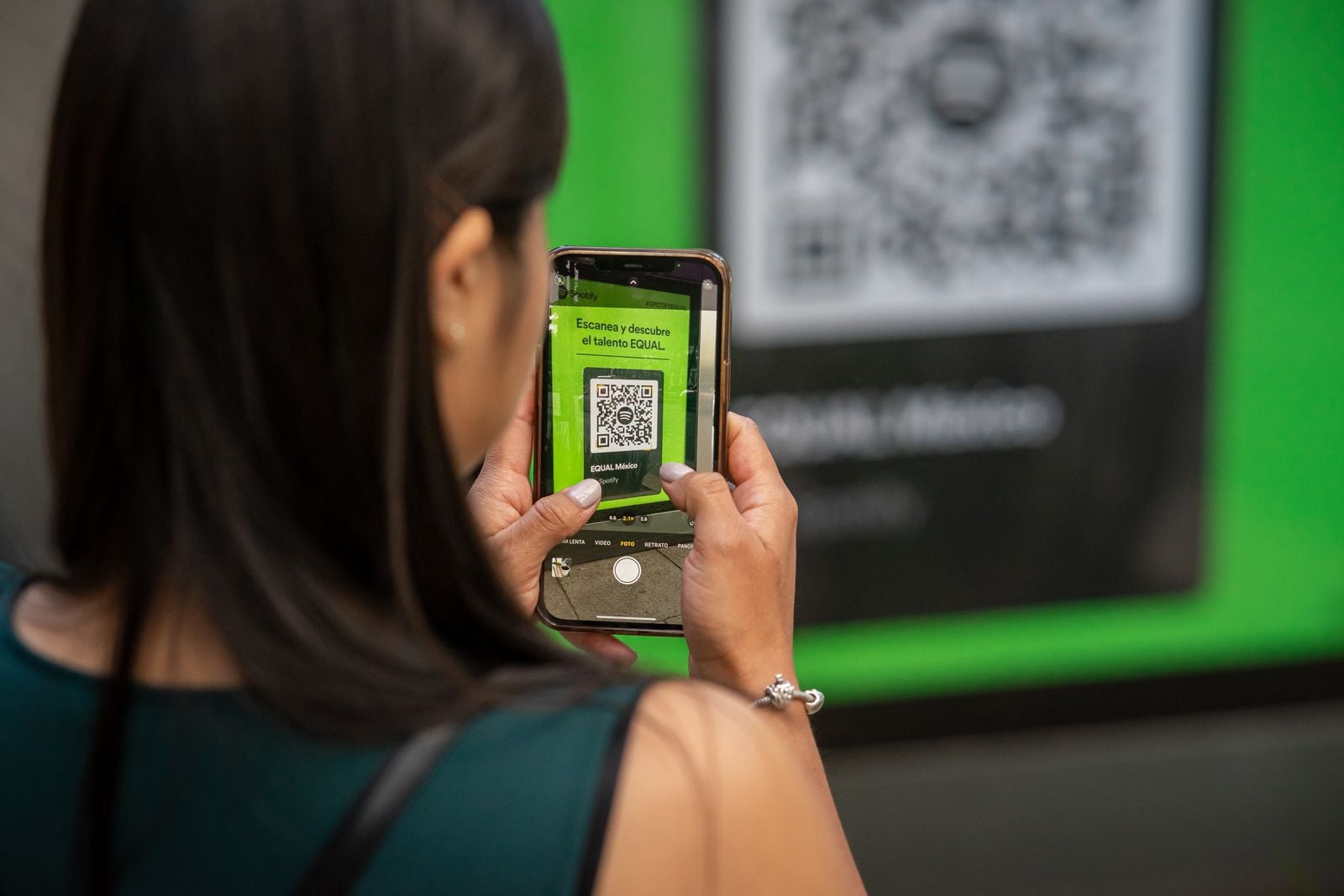
Standard QR codes hide three larger squares in their corners so scanners can orient them from any angle, while their strongest Reed-Solomon setting can restore roughly 30 per cent of damaged codewords, though not necessarily 30 per cent of the visible square

The three big squares in a QR code's corners aren't decoration — they're what lets a phone lock onto the pattern from any angle, and the code itself is built to survive being torn, stained, or partly scribbled over.

Tech Explained

In 1911, the Dutch physicist Heike Kamerlingh Onnes cooled a thread of mercury to 4.2 kelvin in a bath of liquid helium and its electrical resistance vanished completely, and a current set circulating in a superconducting loop like that will still be flowing years later, indistinguishable from the day it began

More than a century after a Dutch physicist saw mercury's resistance vanish in a bath of liquid helium, superconductivity remains one of the strangest, most useful accidents in modern physics.

Tech Explained

In 1858, engineers laid the first telegraph cable across the Atlantic — it worked for only three weeks before failing, but it cut the message time between London and New York from ten days to a matter of minutes, and set the pattern for every undersea internet cable since

The first transatlantic telegraph cable carried Queen Victoria's greeting to President Buchanan in August 1858, then died within weeks. Its brief life rewired how the world understood distance — and laid down the template for the fibre-optic cables now humming beneath every ocean.

Internet

In 1988, a 23-year-old Cornell graduate student named Robert Morris released a self-replicating program to measure the size of the internet — within hours it had crashed roughly 6,000 of the 60,000 machines then online, and computer security became a field

On the evening of 2 November 1988, a small program written by a Cornell graduate student escaped into a nascent internet of about 60,000 machines and paralysed roughly a tenth of them, forcing the United States to invent an entire discipline in response.