May 2026
Every article published in May 2026. 66 articles · Back to full archive

News

Computing
Stanford scientists just built a room-temperature quantum device that uses "twisted light" to connect electrons and photons — an long-sought breakthrough that could finally take quantum computing out of extreme sub-zero labs and into everyday devices

News
A breakthrough in solid-state lithium-sulfur batteries has quietly achieved double the energy density of standard EV batteries — a quiet laboratory victory that could finally eliminate "range anxiety" and cut the weight of electric cars in half

Tech Explained
In 1985, registering a .com domain cost nothing, required a technical request rather than a shopping cart, and produced only six names in twelve months, before the millionth .com arrived in 1997 and the 100 million mark in 2012

Tech Explained
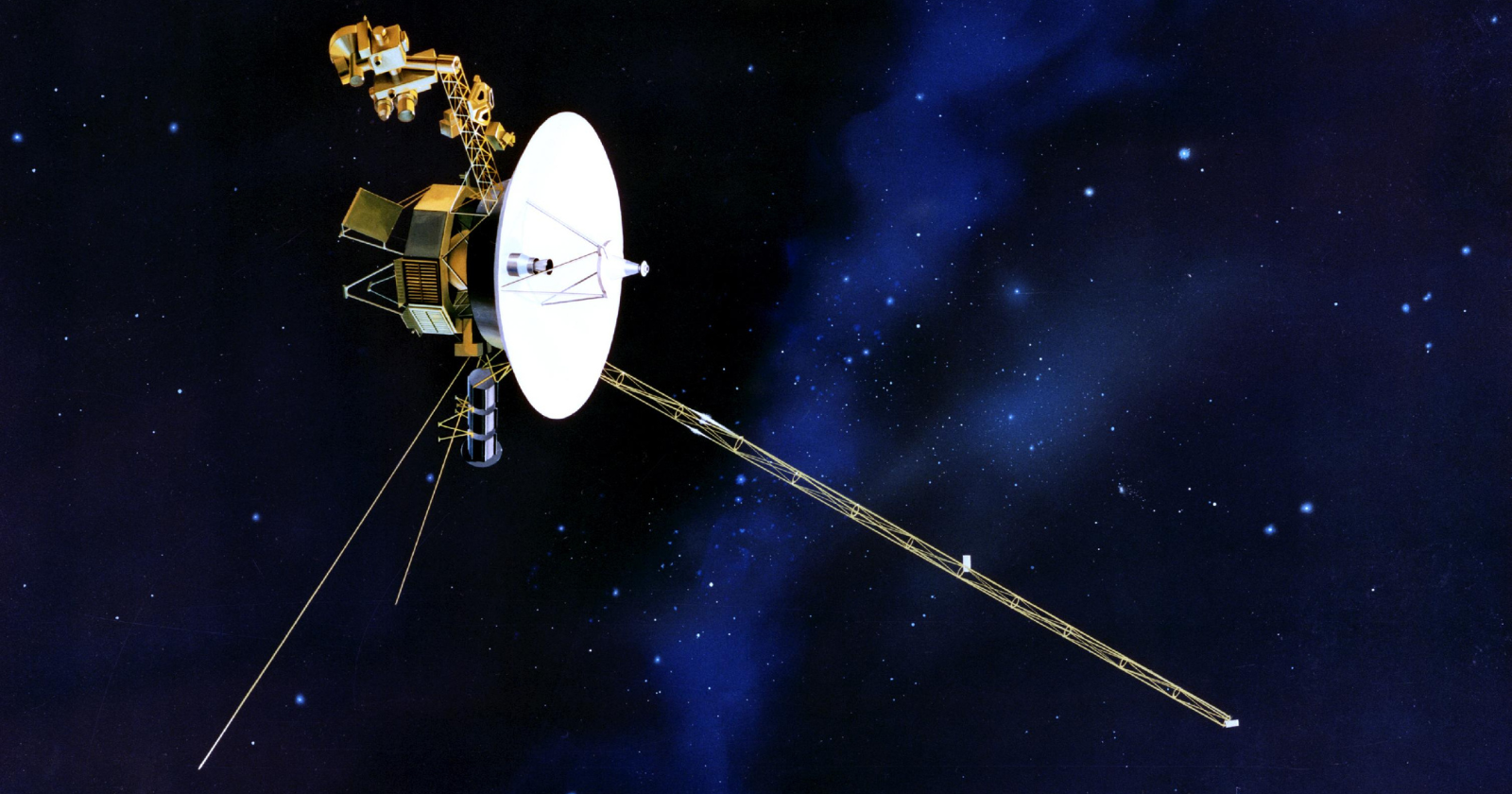
In 1977, NASA launched Voyager 1 carrying a map that uses 14 pulsars to pinpoint Earth's exact position in the Milky Way—a cosmic roadmap designed for curious aliens that some modern astrophysicists, including Stephen Hawking, later argued was a terrifying mistake that we can never take back.

Lifestyle
Adults who find it physically painful to ask for help, even when they are completely overwhelmed, usually aren't proud — they are people who realized at an early age that relying on others resulted in disappointment, so they built a hyper-independence to ensure they would never be at the mercy of someone else's reliability again

Tech Explained
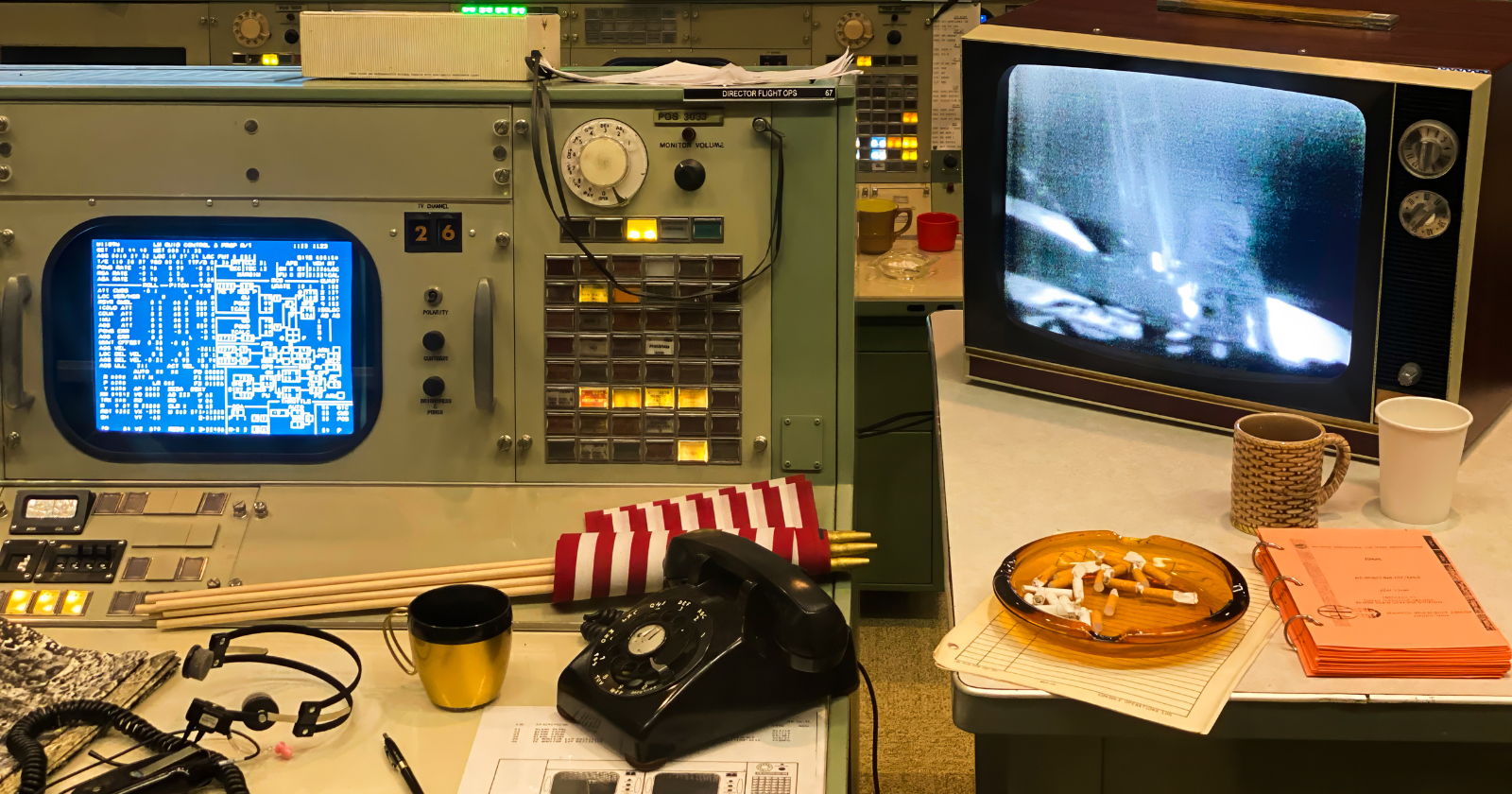
In 1962, a single missing character in NASA's guidance software doomed Mariner 1 just minutes after launch — a transcription error so costly that Arthur C. Clarke famously called it "the most expensive hyphen in history"

Tech Explained
In 1985, a 14-year-old in Britain could legally drive a Sinclair C5 down a dual carriageway at 15 miles per hour with lorries thundering past at chest height, because the Department of Transport had quietly classified the battery trike as an electrically assisted pedal cycle rather than a motor vehicle.

Tech Explained
In 1962, the US detonated a 1.4 megaton nuclear bomb 250 miles above the Pacific in a test called Starfish Prime, and the electromagnetic pulse knocked out streetlights, burglar alarms, and a telephone company microwave link in Honolulu nearly 900 miles away, on an island most engineers had assumed was safely out of range

Lifestyle
Research says people who never post on social media aren't antisocial, secretive, or behind the times — they have noticed that performing their life cost them the ability to live in it

Lifestyle
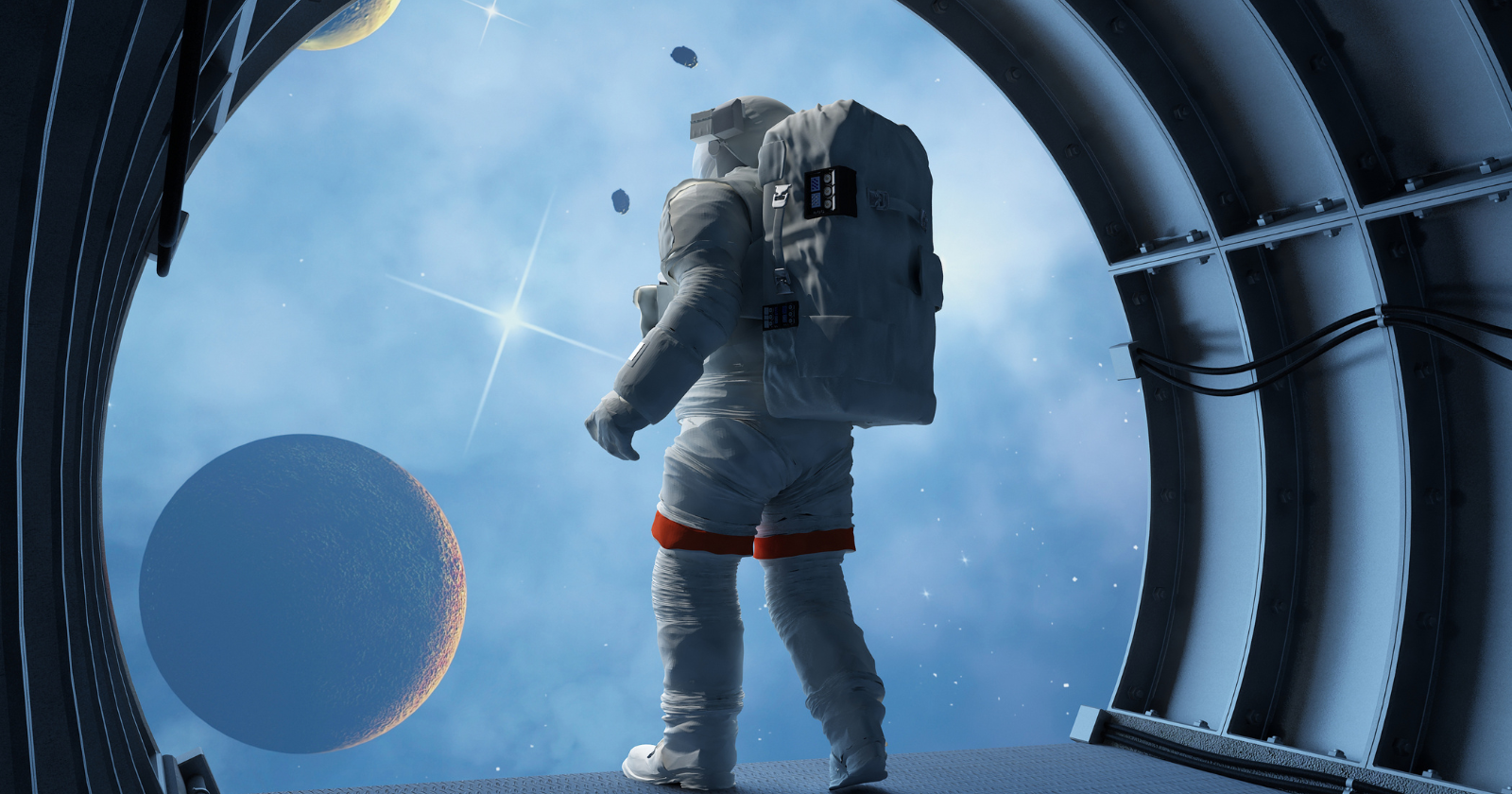
Scott Kelly spent a year in orbit while his identical twin brother stayed on Earth, and when he came home NASA discovered his gene expression had changed in ways that didn't fully reverse

Lifestyle
The Voyager Golden Record has a small sample of uranium electroplated onto its cover, put there so that whoever finds it can measure how far the metal has decayed and work out how long the record has been drifting, a built-in clock for a message engineered to last around a billion years.

Lifestyle
Cognitive scientists have a name for the moment you finish a page and realize you took in none of it, and a Harvard study that caught people's thoughts at random found the mind wanders off from whatever the body is doing for almost half of waking life.

Lifestyle
When headlines declared that an MIT study had proven ChatGPT "makes you stupid," the researchers behind it posted a page asking journalists to stop using words like "dumb" and "brain rot," because their paper, based on 54 students writing essays, never said anything of the kind.

Lifestyle
In 1245, London engineers built a massive underground lead pipe to bring fresh water three miles into the heart of the city—but during royal weddings and coronations, the city authorities would secretly disconnect the water supply and hook the pipes up to massive vats of claret, turning the public fountains into a political bribe that ran with free wine for days

Lifestyle
A famous African Grey parrot named Alex became the first and only animal to ever ask an existential question about itself—after learning over 100 English words, identifying shapes, and counting objects, Alex looked into a mirror and asked his handler, "What color?" to learn that he was grey

Tech Explained
In 2014, a simple counting glitch known as the "Gangnam Style bug" forced YouTube to completely rewrite its core software architecture—because the site’s engineers had used a 32-bit integer to count video views, never imagining a single music video would surpass 2.1 billion views and completely max out the platform's counter.

Tech Explained
In the early 1970s, a phone phreak nicknamed "Captain Crunch" became famous for a startling trick: a toy whistle packaged in Cap'n Crunch cereal boxes produced a perfect 2600 Hz tone — the exact frequency AT&T used to signal an idle line — letting him fool the phone system into handing him free long-distance calls

Gaming
Sony's PlayStation 2 was so computationally advanced when it launched in 2000 that the government of Iraq reportedly imported over 4,000 of the gaming consoles — sparking an intense military investigation over fears that the systems would be chained together to build a crude, low-cost supercomputer capable of guiding long-range missiles

Tech Explained