Why PC Components Don’t Match Manufacturer Claims (and How to Find the Truth) Learn the truth about computer hardware performance. Find out why manufacturers’ claims may not match real-world results. By Karrar Haider – Dec 13, 2024
How to Choose a PC Case: Things to Consider Before Buying Getting the right case for your unique PC build is crucial. This guide discusses what goes into choosing the right one. By Tanveer Singh – Apr 4, 2024
The Best Tips and Tools for Computer Builders Computer building isn’t just a skill or profession; it also has a community of enthusiasts. Many people enjoy it. Here are some useful tips and tools for computer builders. By Christopher Harper – Nov 27, 2015
Suzanne Simard sealed paper birch and Douglas fir seedlings inside plastic bags, fed them carbon-14 and carbon-13 dioxide, and nine days later found carbon had crossed between species through fungal threads in the British Columbia soil beneath her boots Jun 10, 2026
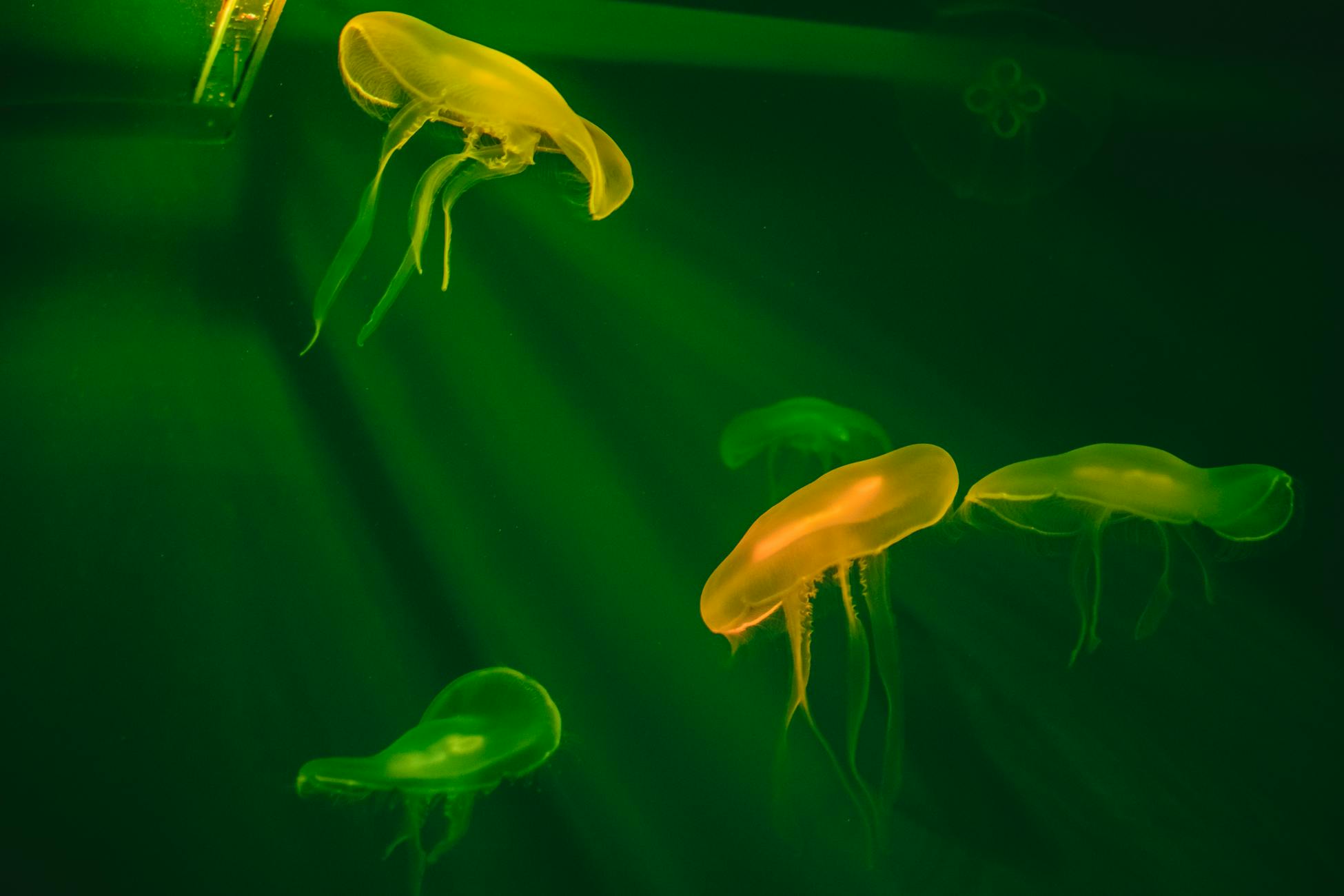
A species of jellyfish called Turritopsis dohrnii can revert its adult cells back to a juvenile polyp stage when injured or starving, effectively restarting its life cycle, and biologists have so far failed to identify any natural limit to how many times it can do this. Jun 10, 2026
Octopuses possess roughly 500 million neurons distributed across their body, with two-thirds located in their arms rather than their central brain, meaning each arm can taste, problem-solve, and react to stimuli independently of whatever the octopus is otherwise paying attention to. Jun 10, 2026
The Roman aqueduct at Segovia, built around the first century AD without mortar, still carried water into the 1970s, its 167 granite arches held together by nothing but the precise weight distribution of stones cut to fit each other within fractions of a millimeter. Jun 10, 2026
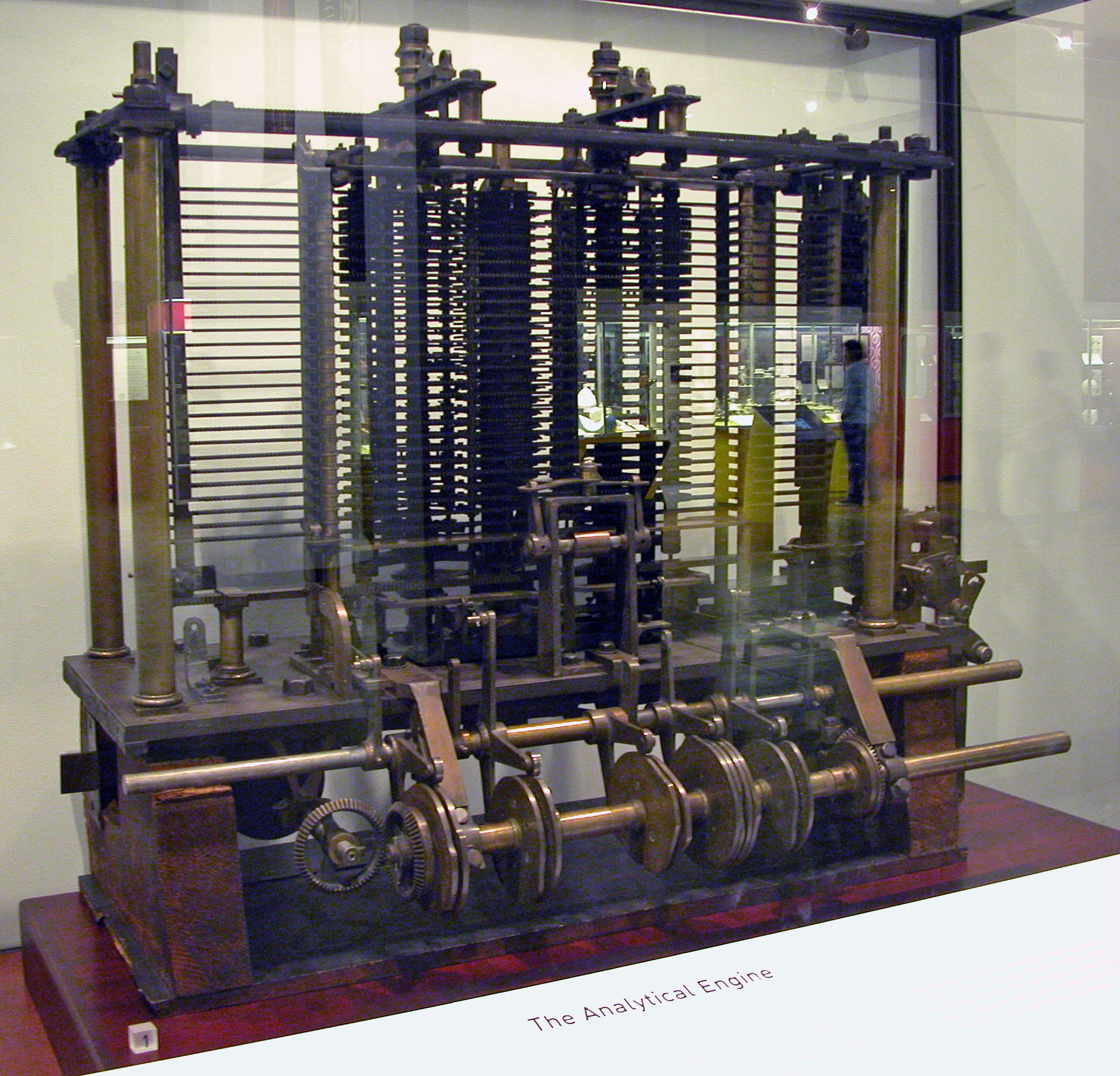
In 1843, Ada Lovelace described a brass-and-punched-card engine that could act on symbols as well as numbers, even composing music if harmony could be reduced to rules, inside seven translator’s notes three times longer than the paper itself Jun 10, 2026
ARPANET sent its first message on 29 October 1969 from a lab at UCLA to a machine at Stanford, and the message was supposed to read ‘LOGIN’ — but the system crashed after the L and the O, meaning the first word ever transmitted over the network that became the internet was, by accident, ‘LO’. Jun 9, 2026