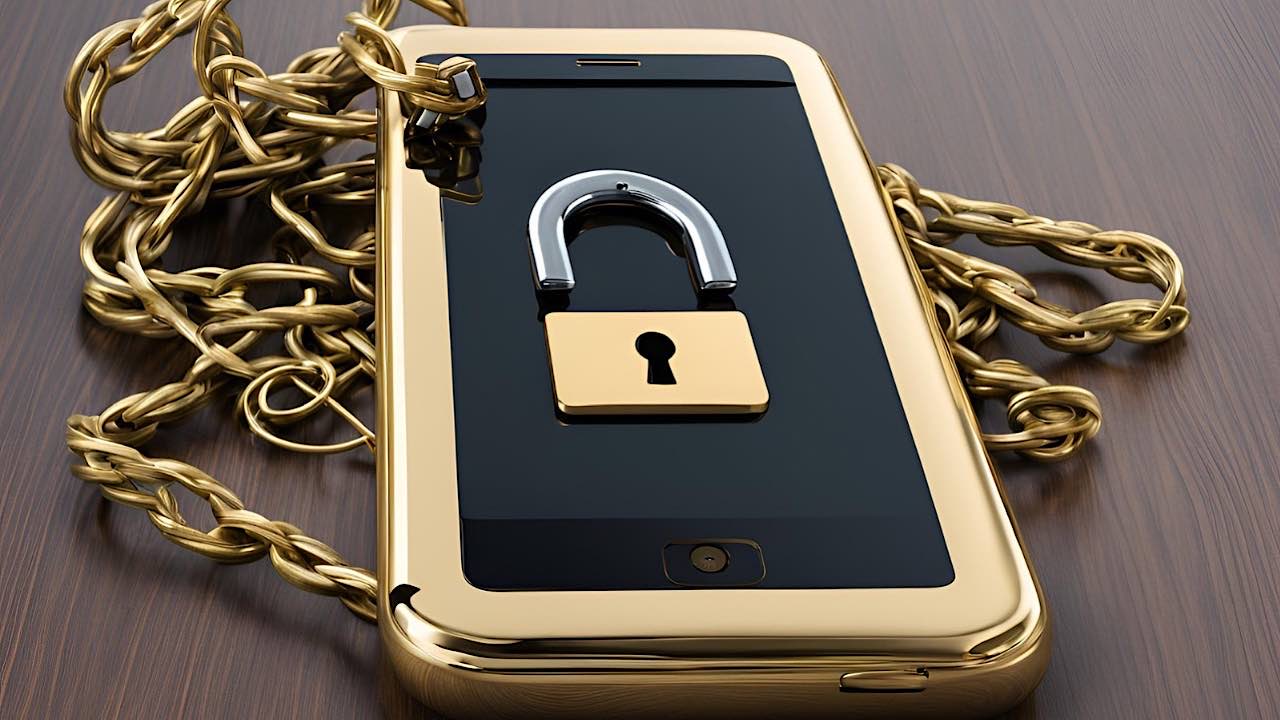
It works well to get a new smartphone and have it already set up for your cell carrier and phone number. But it can also be good to have it shipped to you unlocked – to choose whichever carrier you want. Cell carriers T-Mobile and AT&T disagree, opposing the FCC plan to require phones to be unlocked after 60 days, claiming locked phones are good for us.
FCC Plan for Unlocked Phones
In July 2024, the FCC first suggested a change to how smartphones are sold, either locked to a certain carrier or unlocked. They specifically called out T-Mobile for locking prepaid phones for one year, noting that the carrier increased the locked period from 180 days to 365 for its Metro brand.
But, of course, if you spend enough money, it can be unlocked much sooner. You can get it unlocked after 14 days if you paid more than $100 in refills for every line on that account during that two-week period. If you fully pay off your phone, your phone will be unlocked after 40 days of use.
When the 60-day rule was proposed, FCC Chairwoman Jessica Rosenworcel had said that if you paid for the phone, you should be able to use it with the carrier of your choice.
It’s understandable, at least somewhat, that carriers require this, as it helps them prevent carrier jumping, looking for the best deal. However, Rosenworcel has a point, that once you pay that money, it should be yours.
Gone are the days of getting a free phone every two years with your contract. It seemed much simpler then. Just pay your bill every month, bide your time, and you’ll get a new phone. But now there are only free phones with special deals. I just bought a new iPhone 16. It was my first new phone in four years. But I paid full price. Once I wasn’t getting free phones, I’ve been keeping them longer.
FYI: did you just get a new phone? Learn how to transfer Google Authenticator to your new phone.
T-Mobile and AT&T Object to the 90-Day Rule
T-Mobile is objecting to this plan, wanting to stick to its current plan. They said that locking phones to a carrier’s network means cheaper devices. But again, they used to be free with a plan, making that a really tough argument. T-Mobile went as far as to say it is the customers who stand to lose the most for not being able to choose a carrier.
Consumer advocacy groups are backing up T-Mobile’s filing with the FCC that opposes the 60-days plan. They believe the 60-day unlocked rule will give the public more choices and lower costs. But T-Mobile furthered its argument, noting that their customers would lose access to free or subsidized phones.

T-Mobile said subsidies for phones would be reduced by 40 to 70 percent and that these subsidized handsets would be limited to lower cost phones. In other words, no Pixel, Galaxy, or iPhone for you! The company is also dealing with angry users who had their plan price raised after they were promised a price lock for lifetime.
AT&T is a little more lenient than T-Mobile, but still not on the level that the FCC is suggesting. Phones that have been paid off can be unlocked after 60 days, while prepaid users have to wait six months. They also submitted a filing with the FCC, stating that the proposed 60-day rule would make phones less affordable and lead to arbitrage, fraud, and trafficking.
The carrier suggested that if this rule is implemented, existing contracts should remain, and carriers should have at least 180 days to check for fraud before they unlock a device, and provide 24 months for carriers to institute the new rule.
Verizon already follows a 60-day rule and would like to see all carriers kept to the same set of rules.
Public interest groups believe that unlocked handsets provide more options in a secondary market and that locked phones disadvantage low-income users the most, since they don’t have the resources to switch carriers or buy a new phone outright.
But AT&T and T-Mobile have a history with dealing with the government. Earlier this year, the FCC fined them, as well as other carriers, for sharing their customers’ location data. And AT&T had separate issues all its own, with a breach of customer data.
Image credit: Canva