

There isn’t one person out there who hasn’t lost their phone, even if it was simply at the bottom of their backpack, on their desk at work, or absentmindedly still on the charger back at home. Google has recreated Find My Device, with the focus on your security and privacy. It’s bad enough that you have the panic of the lost device, but you shouldn’t have to worry about your security, just to have a network that can keep tabs on your devices and other items.
Tip: part of the Apple ecosystem instead? Learn how to use Find My iPhone.
Focus on Security
Google claims keeping the new Find My Device secure and private by default was important to them. They put in the proper research and good feedback from privacy and advocacy groups before doing anything else. They followed this by adding in multiple layers of protection through data safeguards, safety-first protections, and user controls.
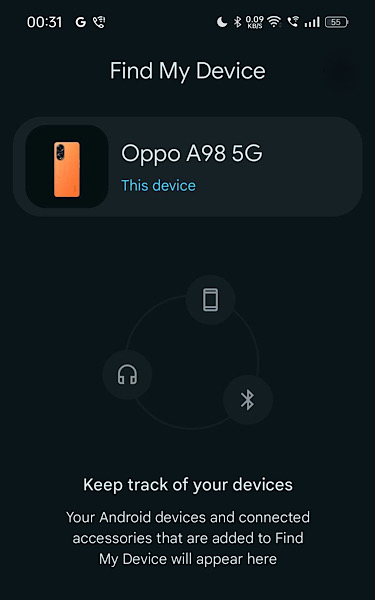
It’s understandable why this would be a concern of yours. The Find My Device network is a crowdsourced network, so it’s using your neighbors’ devices to help you locate your phone and vice versa. It’s important your neighbors don’t know where you are, while their phone is providing information about where your phone is.
Google’s Find My Device network will be able to find more than just your Android devices, too – it will also be able to find your other items that have a Bluetooth tag attached. If your dog gets loose, and you have a Bluetooth tracker tag on its collar, other nearby Android phones that have chosen to participate in the network will follow the tracker’s location. Once you realize your dog is missing and check the app, you’ll see where your dog is currently, based on what the other devices show.
You’ll be happily reunited in no time, and your neighbors will be none the wiser about your specific devices, items, and needs.
How Google Will Protect You
Perhaps most importantly, Google is making it difficult for its new Find My Device network to show others in your area where you, your devices, and your items are. It will take more than just one neighboring Android device to find your lost car keys. Multiple Android devices will show the location of your keys, and they will be aggregated together. That gives you the help of one billion Android devices across the world. However, it means items in less busy regions will be more difficult to find.
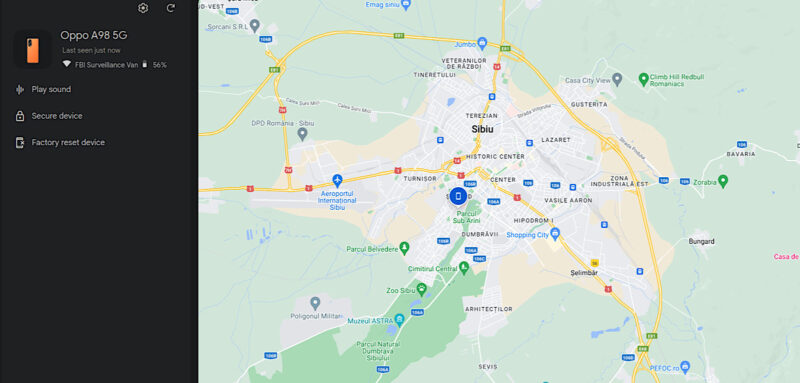
Further, if your home address is saved in your Google account, Find My Device will not contribute to the crowdsourced tracking if your Android device is near your home. The number of times a Bluetooth tag can receive a location report from your Android device is limited as well. Owners of the tag are limited in how many times they can request a location, too. Those of us who get a little nervous while traveling and check the tracking device repeatedly, keeping tabs on our luggage, will have to learn to throttle it.
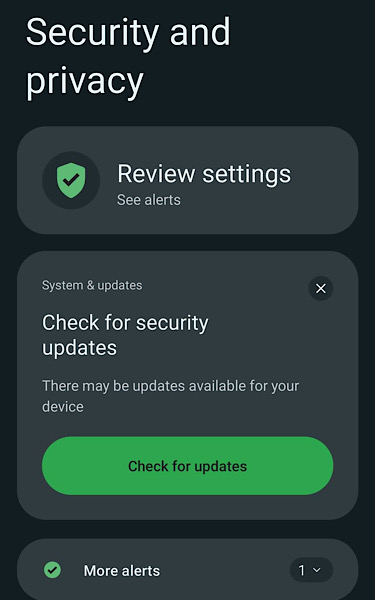
The control, however, remains with you. You can opt-in or out of the Google crowdsourcing Find My Device network. Decide which devices will participate; choose aggregated location reporting or non-aggregated. It could really save you in a pinch when looking for your device, pet, car keys, luggage, etc. But if you’d rather take your chances finding your own devices, you can opt-out altogether. If you’re still worried? Find out which apps have access to your location info.
Google’s Find My Device started rolling out to American and Canadian Android devices starting April 8, 2024.
Image credit: Canva. All screenshots by Laura Tucker.