

Some technology trends come and go without so much as a splash, while others define the state of the industry for years to come. This year has already introduced us to some unprecedented, yet also some old but revitalized, tech trends that have me both excited and worried about the near future.
[mte_toc]Tip: upskilling for the job market? You may have an interest in the top tech skills you’ll need this year, according to experts.
1. I’m Excited to See Next-Gen Displays in Action
For a long time, the bleeding edge OLED and Mini-LED displays stayed out of reach for the average consumer. Whether for TVs or gaming monitors, not all of us can spend $1,000 to $1,500 on a high-end display. But 2024 looks to be the year when OLED, Mini-LED, and QD-OLED panels will compete for the same customer, at the same price segment.
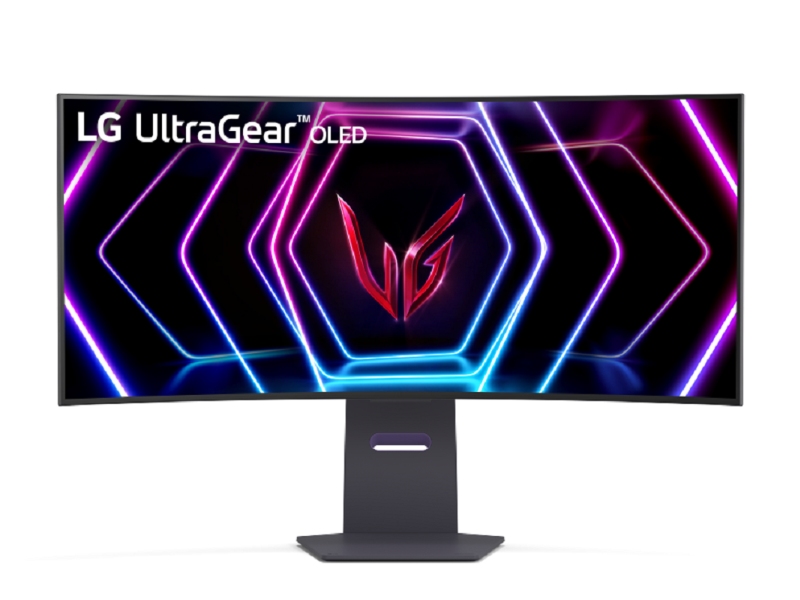
This will inevitably give rise to sub-$1,000 large-screen OLED TVs and gaming monitors without compromises. OLED has reigned supreme as the premier panel technology in 4K gaming TVs and gaming monitors, but QD-OLED, QD Mini-LED, and Micro-LED are fast becoming indistinguishable from OLED. This year will also bring advanced gaming monitors with dual refresh rates and high-refresh-rate OLED panels to the mix.
I’m also looking forward to the incredibly lifelike NXTPAPER displays from TCL, arriving in more smartphones and tablets. These screens are far better than E-Ink in simulating real paper, and I’d love to have it in my personal phone. These are the kinds of tech trends I love to see.
Good to know: thinking beyond OLED? Find out what Micro-LED is and how it compares to OLED.
2. I’m Excited About the Impact of AI PCs and Smartphones
After conquering the digital domain, AI is set to hit our computer hardware next. “AI PCs” with dedicated hardware, called NPUs (Neural Processing Units), will accelerate all AI-related tasks and processes on your next computer. I’m curious to see how this particular tech trend pans out, beyond just becoming the next big buzzword. This may lead to the democratization of dedicated AI hardware, as millions more leverage on-device AI instead of simply using ChatGPT prompts to boost productivity.

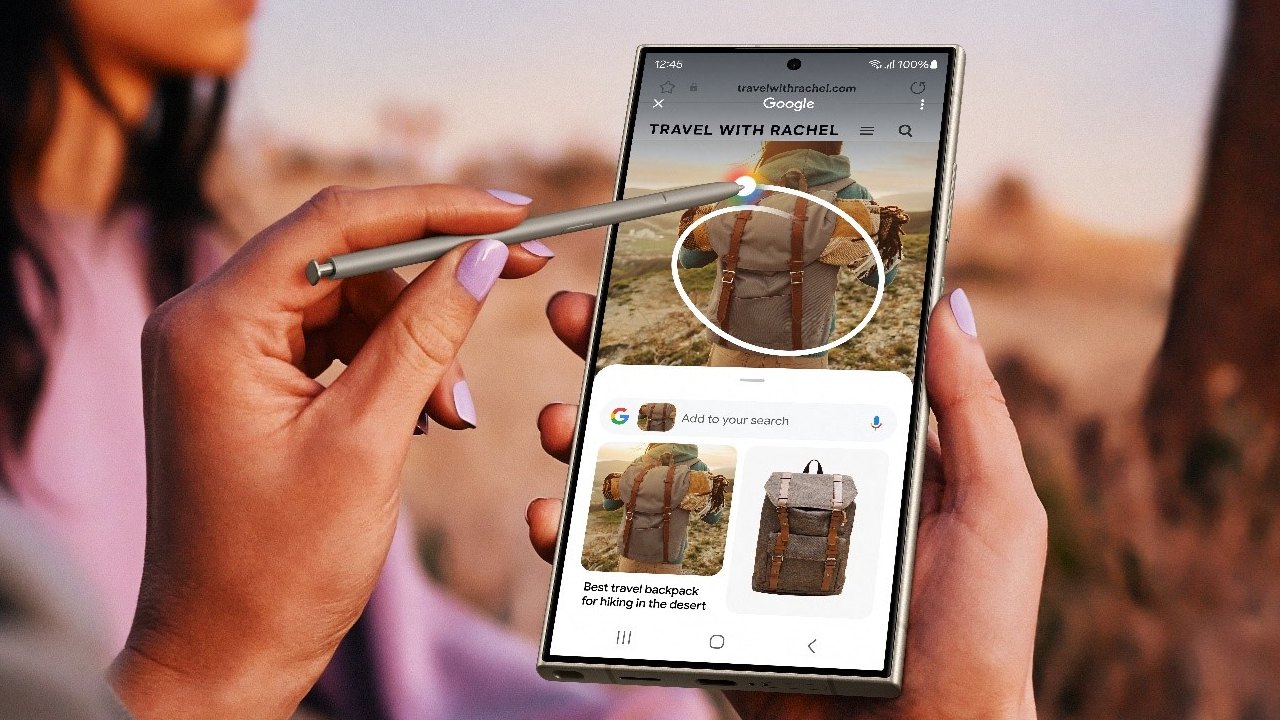
We’re already seeing on-device AI in action on Samsung’s latest S24 series of smartphones. Instead of relying on the cloud for the bulk of the AI processing, these phones use the phone’s hardware for heavy tasks like real-time, two-way voice translation during phone calls. Searching with images and editing images will also receive a huge boost with on-device AI on Samsung phones and many other upcoming smartphones.
Tip: need more AI chatbots? Check out the ultimate guide to using Bard: Google’s AI chatbot.
3. I’m Excited to See Hyper-Real NPCs in Games
Tech trends in video games have the power to capture my attention instantly. While I had written on AI in games revolutionizing the gaming industry a few months back, I didn’t expect live demos of the tech in action so soon. That’s what Nvidia showcased at CES 2024: NPCs powered by generative AI responding to voice input.

NVIDIA ACE, as they call it, is pretty basic right now, but it shows the promise of using AI to create lifelike characters that respond to us, instead of speaking in preprogrammed dialogues. Nvidia’s RTX 40 series GPUs are already some of the best GPUs to buy for AI-accelerated upscaling and frame generation. With the next-generation GPUs, they may be able to advance gen-AI NPCs even further.
I just hope that developers use this tech to augment human-written dialogues and not to give two-dimensional dialogues to every other NPC.
4. I’m Worried That AI Will Make Privacy Obsolete
Privacy has already been reduced to a joke, with our phones and gadgets having access to a huge portion of our lives: what we search, what we do, and even what we speak. But, if the AI promise materializes the way it’s being showcased, I’m worried AI will take over every second of our lives. I was particularly concerned about companies promising the inclusion of on-device and multi-modal (accepting multiple inputs) AI in refrigerators, home assistants, cars, and every home automation device you can think of.
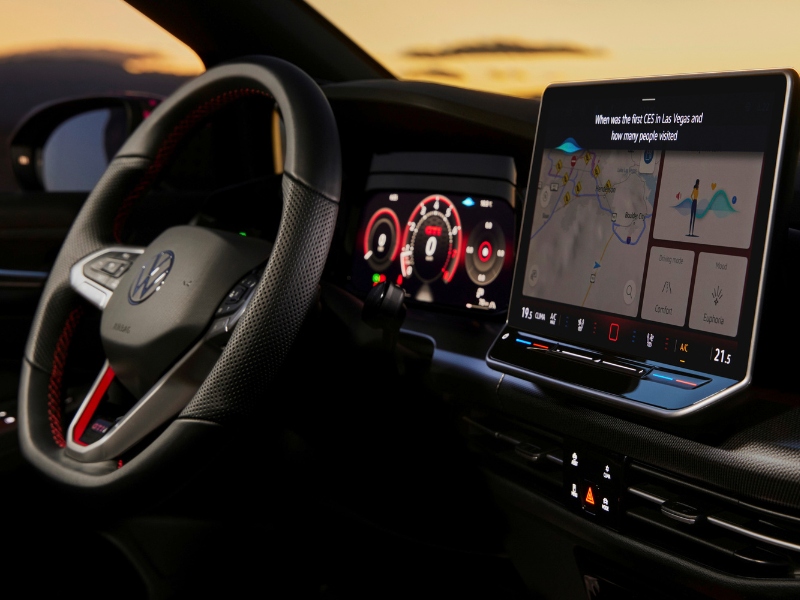
This could give enterprises unprecedented access and control in our lives, threatening our privacy and autonomy. Your every decision could be influenced by one or more of the many AI devices you use every day. Companies like Volkswagen and Mercedes-Benz have already started integrating ChatGPT into their voice assistants. Your automobile is set to jump in more to the tech ecosystem.

LG is planning to introduce home assistants equipped with image recognition, natural language processing, voice recognition, and the ability to control all aspects of your home, like temperature and humidity control. Without stringent controls over new and ever-evolving tech, like AI, these tech trends could spell doom for your privacy and security.
FYI: want to take privacy seriously? Browse through the best search engines for privacy.
5. I’m Worried About the Dangers of Mixed Reality Headsets
VR and AR headsets are nothing new, but when Apple announced the Vision Pro in 2023, everyone took notice. This mixed-reality headset showcased highly advanced input recognition, a 3D user interface, and an ultra-high-res display. As impressive as this tech is, it also makes me worry about how it’ll impact our physical as well as mental well-being.

CES 2024 brought a new contender to this small group of advanced spatial mixed-reality headsets. Sony announced their own XR headset powered by Qualcomm’s new XR2+ Gen 2 chip made for high-end XR devices. I’m sure other companies will soon join the fray, giving rise to a new XR headset segment. This poses serious questions about emotional well-being, exhaustion, visual strain, and dissociation from reality.
These risks may not sound new to you, but currently, they’re isolated to a few devices, like VR gaming headsets. Once devices like the Apple Vision Pro enter our daily lives beyond just gaming or entertainment, their risks will intensify. Plus, we can’t predict the kind of newer risks that these devices would bring.
FYI: hyped about virtual worlds? Check out what the metaverse is and what it has to do with Facebook.
Disruptive tech trends often come with a mixed bag of pros and cons. But to me, 2024 is akin to multiple game-changing technologies reaching a crescendo. This year promises to be an eventful, yet concerning one. It’s up to us to use technology to make our lives easier and not get enticed by worrying trends that could lead to a cyberpunk reality sooner rather than later. If you’re excited about new technology, have a look at our favorite gadgets announced at CES 2024.
Image credit: Samsung