

As a platform that doesn’t allow adult content, it’s more than a little ironic that YouTube’s NSFW ad issue is still going strong over a year after it began. Even worse, it comes in the midst of the video streaming platform’s battle against ad blockers.
No Quick Fix Seems to Work
While there used to be an occasional NSFW (not safe for work) ad on YouTube, the platform usually had it removed and the issue fixed in just a few hours. But, in 2023, during the peak of YouTube fighting against ad-blocking apps and browsers, explicit ads generated by AI started flooding the site. And yes, all ages could see them, no matter the age restrictions you had set up.
Over and over again, YouTube promised to eliminate the troublesome ads. Yet, as this Reddit thread shows, the problem just kept occurring, leading more people to question why they shouldn’t use ad blockers for a less obscene YouTube experience, especially if they had kids.
I get it. The site does have to earn money to support the billions of hours of content on it. Plus, creators also earn money from those ads, and I fully support that. What I don’t support is a platform becoming so greedy that many videos are more ads than actual content. That does more harm than good to creators.
I personally only ran across one YouTube NSFW ad late last year before subscribing to YouTube Premium. I made the switch simply because I grew tired of watching over two minutes of ads during a three to four-minute video. Truthfully, seeing adult content in a YouTube ad was surprising.
The chaos seemed to die down at the end of 2023, though a few users still saw offensive ads now and then. YouTube and Google assumed the last quick fix had finally worked.
YouTube Blocks Ad Blockers, and NSFW Ads Reappear
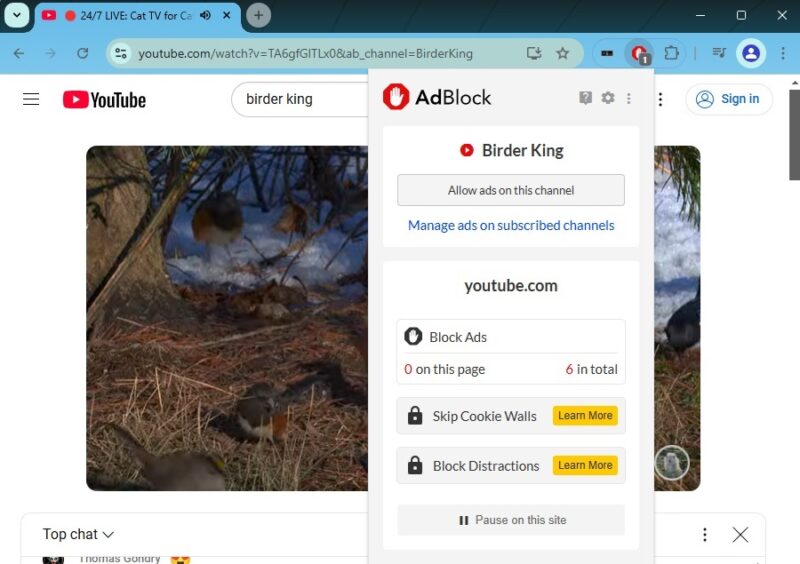
YouTube viewers who’ve grown sick of the numerous ads were devastated when YouTube announced in July 2024 that you couldn’t view the site while using an ad blocker. However, I tested it, and ad blockers still worked.
But the more YouTube fights ad blockers, the less time the platform spends on moderating content, including ads.
Once again, NSFW ads have begun popping up more and more frequently. Yet another Reddit thread shows a blatant ad for free adult content from this week.
YouTube could face severe ramifications for its actions,” Matt Dolman, a spokesperson for Lawsuit Legal News, explains. “Serving users NSFW ads without proper safeguards in place is a concerning development, particularly if the platform is displaying these images to minors.”
Honestly, there is zero reason an ad like that shouldn’t have been blocked automatically. Is it possible Google doesn’t care about the issue and just enjoys the ad revenue? Perhaps the focus should be more on better control of the ad experience, versus worrying about ad blockers.
Until YouTube can fix the NSFW ad issue permanently, the platform isn’t going to gain any ground against ad blockers. While many users would be okay with a few short ads, lengthy and numerous ads, along with explicit ads, just lead to more users switching to ad blockers. It could even lead to lawsuits if users decide they’ve had enough of explicit ads.
Of course, you can always skip ads and support creators by opting for YouTube Premium. Or, just try YouTube alternatives, and skip the issue entirely.
Image credit: Unsplash