


YouTube has found a way to prevent users from skipping ads, if they are using an ad blocker. You won’t see the ads, but you also can’t skip them.
YouTube “Blocks” Ad Blockers
Viewers who have ad blocking software enabled will now see a black screen for the entire length of the ad that is showing to other viewers. The change is part of YouTube’s efforts to ensure that advertisers receive the full benefit of the ad space they purchase and to support the content creators who rely on ad revenue.

Users started reporting on social media that they are seeing blank screens, or just blank ads before watching a video when they are using an ad blocker. The blackness lasts the entire length of the ad.
YouTube has been working on trying to stop ad blocker extensions for some time. It appears that this time, they finally reached a solution – at least for now. Last year, YouTube started sending ad-blocker users a prompt to upgrade to YouTube Premium to skip the ads – a service that costs $13.99 a month.
Tip: are you looking for some other YouTube Chrome extensions? We can help!
The Possibilities of Success
This move of YouTube’s is great for advertisers and content creators, as it ensures their ads and monetized content reach at least some of the intended audience without being bypassed. However, those who have paid for the ad-blocking software still won’t see the ads. They’ll just be further annoyed by the black screen.
Advertisers pay significant amounts to have their ads shown on the platform, and content creators depend on these advertisements as a primary source of income. Ensuring that ads are viewed in their entirety helps maintain the financial ecosystem that supports free content on YouTube.
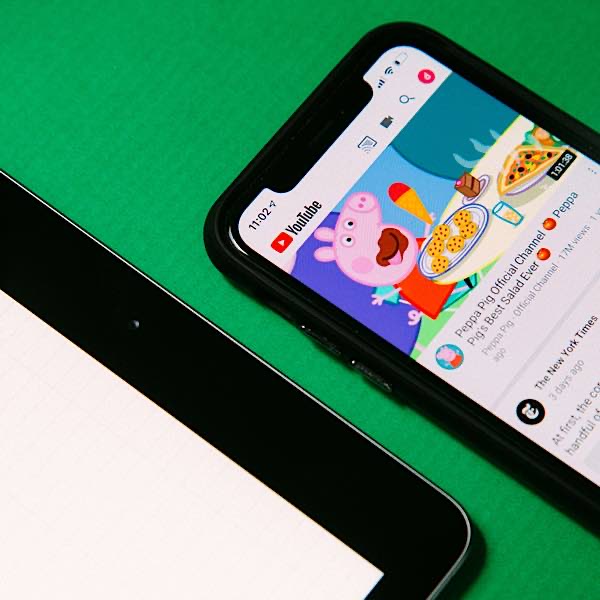
On the other hand, some users pay for that software to purposely skip the ads. They will be frustrated by this change. The inability to skip ads may lead some users to seek alternative methods or video platforms other than YouTube to circumvent the new policy.
This policy change aligns with YouTube’s broader strategy to enhance its monetization capabilities, such as YouTube Premium. This more recent move could be seen as another way to force users to subscribe to YouTube Premium, further boosting its revenue streams.
It’s worth noting that the effectiveness of this policy will depend on how well YouTube can enforce it. Tech-savvy users will look to find new ways to bypass the ads, and YouTube will continue to try to force the ads to be seen. Additionally, the user backlash could influence how strictly YouTube decides to enforce these measures.
Furthermore, this policy change could have ripple effects across the digital advertising landscape. Other platforms may observe YouTube’s approach and adopt similar measures, leading to a broader shift in how ad blockers are handled.
Platforms are increasingly taking steps to combat ad blocking and focusing on making money rather than customer satisfaction. It’s certainly along the same lines as Firefox trying to appease advertisers while not collecting personal data.
Image credit: Unsplash