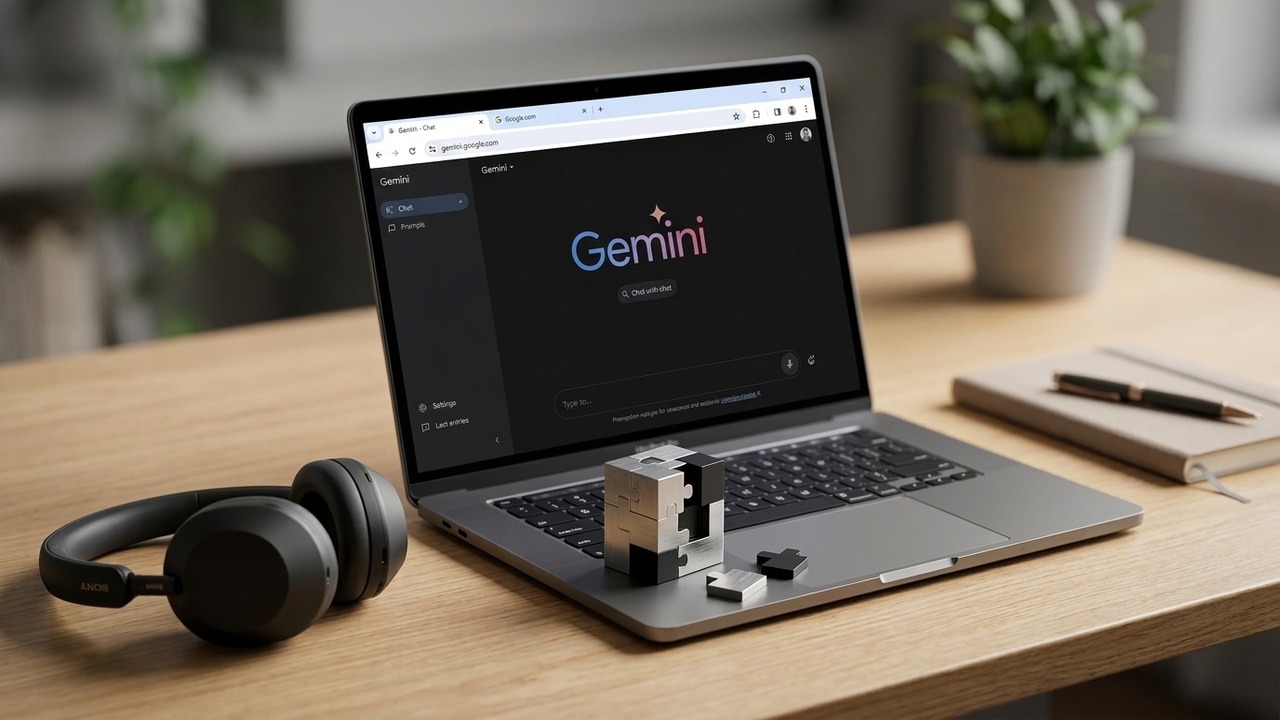
Here’s bad news for anyone who uses generative AI for their writing output. Websites, books, publications, and even self-publishing platforms are cracking down on AI written submissions. It’s important to know where you can use generative AI in professional writing and where you can’t. This guide outlines the no-go areas for AI usage in content writing, as well as the places where they’re accepted.
Where AI Writing is Prohibited
The simple rule writers should remember is that most editors, academics, and corporate clients will not accept low-effort, AI-generated output. It is always safe and ethical for professional writers, academics, and college students to avoid using AI tools to submit the final written work.
Accordingly, avoid using AI submissions in any of these fields.
1. Academic, Research, and Scientific Publications
Most academic publishers haven’t banned AI usage but enforce strict disclosure and transparency guidelines, making AI-written work practically inadmissible.
Guidelines vary from one publisher to another. Some, like SAGE Publications mainly focus on disclosure of any AI-generated text or images. Others like the Science family of journals (published by AAAS) completely ban the usage of generative AI. In no case can Large Language Models (LLMs) be listed as co-authors.
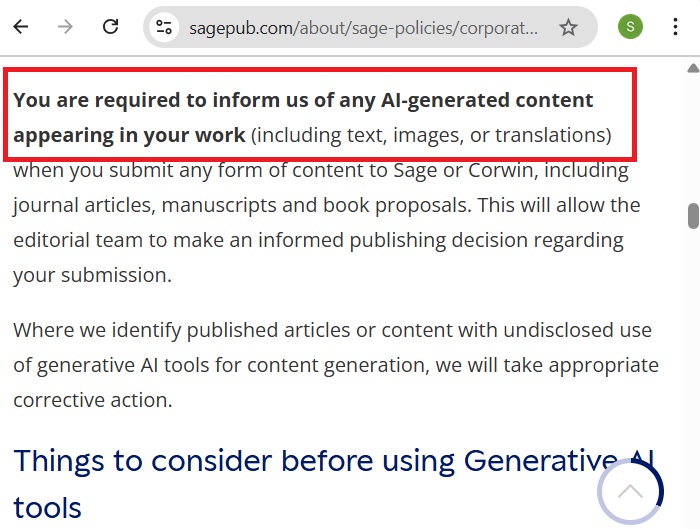
For their main detection methods, academic and research websites utilize human peer reviewers who look for excessive polish (AI-written contents sounding too perfect), formulaic paragraphs, and the lack of a personal voice.
Academic websites are regularly using premium tools like Copyleaks, Proofig, or iThenticate to cross-check for AI usage. These tools, designed for academic plagiarism, are getting increasingly smarter at detecting AI with their internal heuristics, as AI bots are very weak at applying human context in writing.
2. Publications, Websites and Newspapers
In their early days, tools like ChatGPT were used as an experiment by some publications. This led Reddit bloggers to allege that entire articles felt AI-written. Many websites also experimented with AI. Now that the dust has settled, most of them are clamping down on undisclosed AI usage. Even self-publishing platforms like Medium or Amazon have put a ban on monetizing AI-written contents.
Unlike scientific and academic journals, which prioritize original research, most newspapers, magazines, and publications pride themselves on both original research and well-written content, with a stronger emphasis on the latter. In the end, human editors ensure the written work meets journalistic standards.
For this, they may look for “AI-ish” patterns. It’s a long list such as too many em dashes, empty filler sentences, or wordy examples. Many leading web publishers are using a highly accurate tool, Originality although its accuracy requires going through many samples for obvious AI patterns.
3. Work-Related Contents
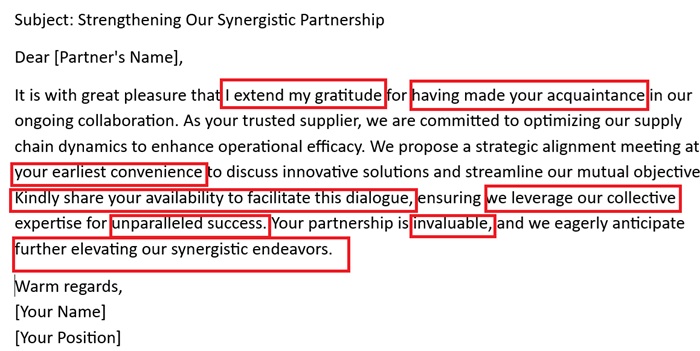
At the workplace, usage of AI tools depends on individual organization polices. But for the most part, shooting off an email, a company newsletter, or sharing a PDF with extensive AI-written content may not be a good idea. Sometimes, it may even elicit laughter. I mean, who uses phrases like “synergestic endeavors,” like I found in this ChatGPT-generated business email.
Also see: check out our list of common and popular AI detector tools.
Where AI Writing is Allowed
While you cannot use them for professional writing, apps like ChatGPT, Gemini, and Claude do help with writing research and brainstorming ideas. That is the only acceptable and ethical use of these tools.
The good thing is that outside of professional contexts, there are some areas where AI writing is not only allowed but celebrated.
1. Social Media
Whether you’re on LinkedIn, Facebook, Instagram, YouTube, X, BlueSky, Threads, Reddit, Quora, or any other social media site, AI content is everywhere. It’s seen as a timesaver and the platform’s acceptance depends on the audience. Most people scroll very quickly on these websites so you won’t raise any red flags.
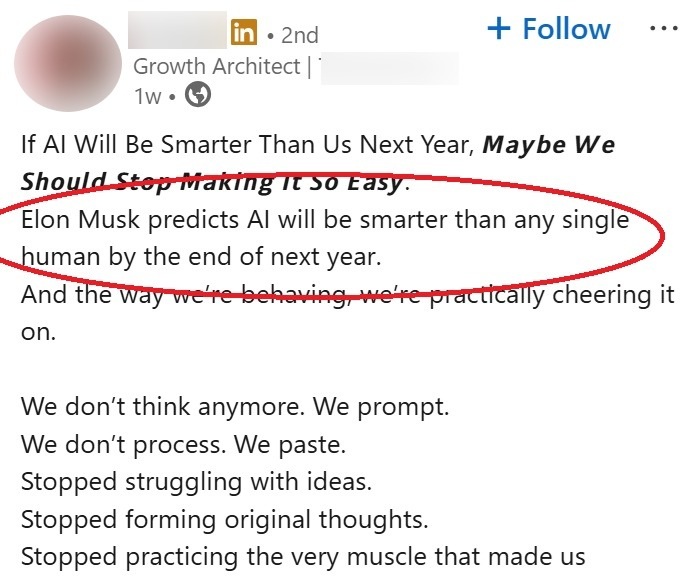
Don’t be fooled, though, by social media influencers who claim AI-generated content is as good as human-written content. On LinkedIn, I often see them overestimate AI’s capabilities in writing by misquoting AI proponents like Elon Musk, even though their context and meaning might be entirely different.
Remember that even in social media, AI disclosure, especially with images, is seen as a common courtesy to your audience. You don’t want anyone to think that your deepfake video is real, or that you posed with a celebrity that you didn’t meet.
2. E-commerce Product Descriptions
Whether you’re on a large retail website like Amazon or have your own personal e-commerce website, you can use AI to generate SEO-optimized product descriptions. No bans exist in this space, and you don’t even need an AI writing disclosure.

In the same way, if you’re using AI for personal branding, it should be a no-brainer. Job search and freelance websites have started using AI to fill up their questionnaires. More recently, some recruiters are using AI interviews.
3. Content Translation
AI chatbots have become a boon in content translation across many languages. While in the past you had to deal with somewhat imprecise translations, now you only have to prompt your favorite AI tool to give you a local translation which would be seen as colloquially correct. This is considered acceptable usage of AI in writing.
Related: you can also use Google Translate to learn a new language.
General Rule for AI in Writing – Don’t Do It
As my personal rule, I do not use AI tools except for research because I feel they negatively impact my writing. But most users can stick to the guidelines above, and not face any concerns with their writing outcomes.
For a long time, prompt-based AI writing flew under the radar as these techniques weren’t well understood. Today, however, the consequences of passing AI-written work as your own can cause humiliation, reputation loss, and even outright bans.
Further, in January 2025, Google’s John Mueller clarified that auto- or AI-generated pages will be rated much lower by the search engine than good quality, human-written content. Consequently, many websites are already “future-proofing” their sites to avoid potential Google penalties. As a writer, you don’t want to be caught in the middle of these evolving trends.