


As you’ve likely already heard, U.S. President Donald Trump has kept true to his word to impose tariffs on countries the U.S. relies on for a wide variety of goods. But how will the Trump tariffs affect electronics? I’d recommend buying now before prices start to rise if the tariffs aren’t dropped quickly.
China, Mexico, and Canada All Hit With Tariffs
Trump has admitted his sweeping tariffs on China, Mexico, and Canada could cause financial pain for American consumers but promises it’ll all be worth it to bring jobs back to America. He signed an executive order on February 1st that imposed 25 percent tariffs on imports from Mexico and Canada, along with a 10 percent tariff on Chinese imports. This is better than his proposed 60 percent tariff on China that was previously announced.
This affects food, automobiles, construction supplies, fuel, toys, footwear, and of course, personal electronics. Considering the high cost of consumer electronics already, I think we’re all dreading seeing the prices increase even more.

Much of the technology we use every day in our computers, phones, smart home gadgets, and other electronics, is imported from China, so a 10 percent tariff may not seem like that big of a deal. However, what most consumers might not know is that an increasing number of electronics and components are manufactured and imported from Mexico. In fact, consumers spend billions each year on electronics and appliances imported from Mexico.
During Trump’s first term as President, tariffs increased the cost of appliances, vehicles, and more. That means those smart appliances you’ve been eyeing that were already higher in price could increase even more over the coming months as 10 to 25 percent tariffs drive up costs.
While Trump has pushed for tariffed countries to absorb the cost, the most likely scenario, and what happened previously, is American consumers will be the ones to absorb the cost.
Even worse, Mexico and Canada are already putting retaliatory tariffs into place in response, and even refusing to import some goods from the U.S.
Tariffs Begin Tuesday
Trump tariffs officially begin on Tuesday. Is it possible a deal could be worked out between the U.S., Mexico, China, and Canada before then? It’s unlikely, but it is a possibility, especially as consumers are understandably frustrated with having to deal with tariffs on top of inflation.
You probably won’t see immediate price increases on personal electronics on behalf of the tariffs, but within a few months, expect to see increases on computers, smartphones, tablets, smart home gadgets, printers, wearables, and electronic toys. Infotainment systems in cars are also going to cost more for auto manufacturers, as they’re basically tablets built into your vehicle.
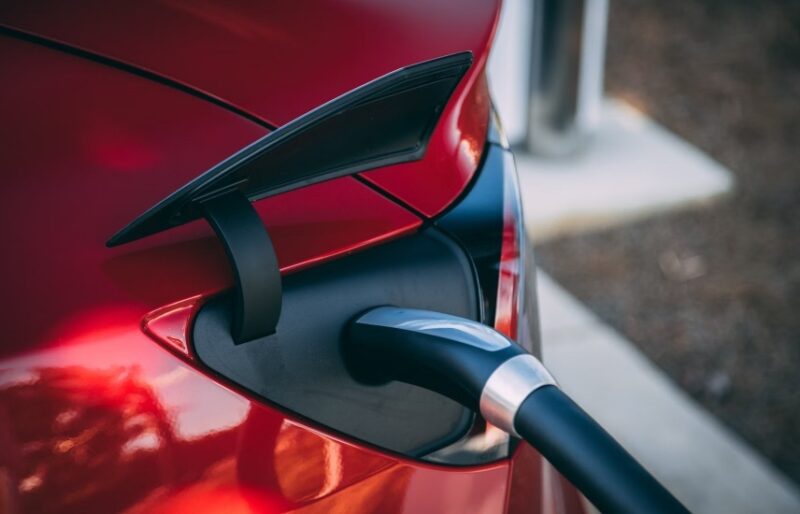
If you’re planning to buy an electric or hybrid vehicle, those costs are also rising. Between tariffs hitting auto manufacturers and electronics, it’s a double whammy for EVs, which could also hurt Elon Musk’s plan to launch robotaxis in Austin, TX later this year.
For now, the best option is to carefully compare prices before buying. Check out our buying guides to help find the best value for your needs, such as our guides to the best smartwatches and smart rings.
Image credit: Unsplash