
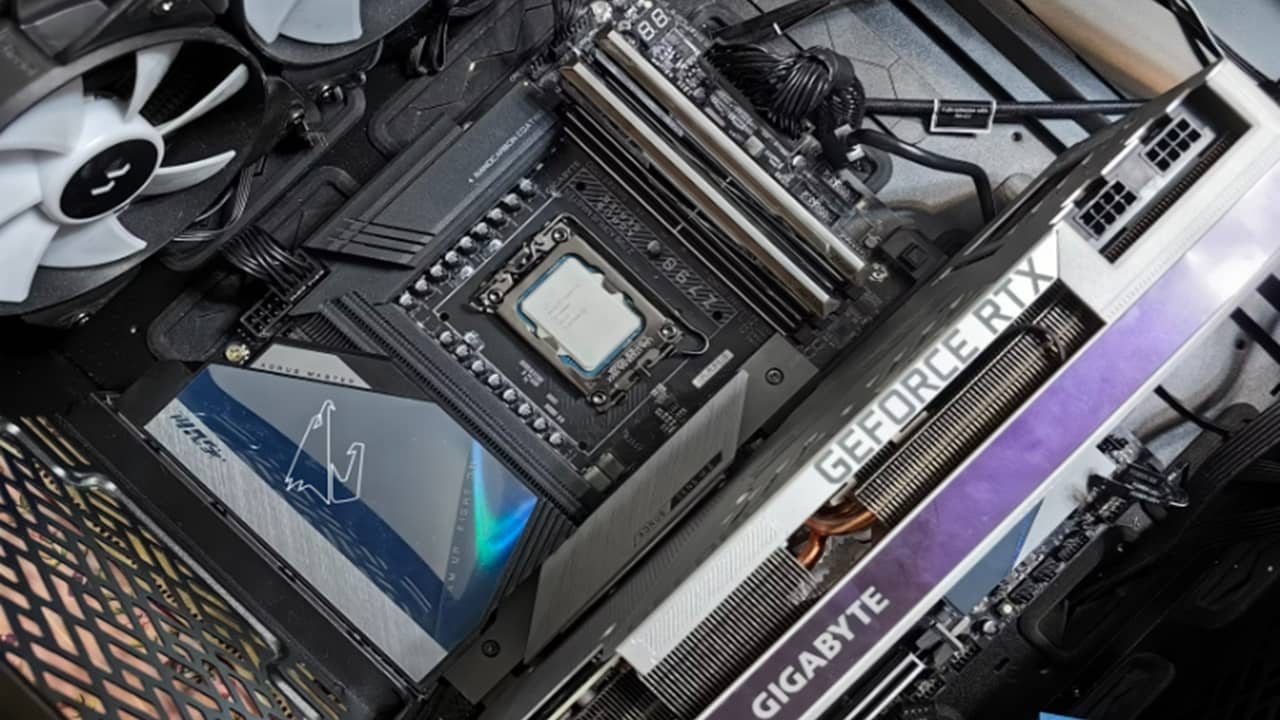

Want to build your dream PC from scratch? You may want to buy your parts now, as PC upgrades could get far more expensive if potential tariffs are put into place in 2025.
The Proposed Tariffs
Throughout President-Elect Donald Trump’s campaign, he spoke about bringing jobs back to America. Part of the solution: stiff tariffs on Chinese imports. If it were just a small percentage, consumers wouldn’t have much to worry about. However, Trump is proposing a tariff of as much as 60 percent on all Chinese imports, along with a 10 to 20 percent tariff on all other foreign imports.
In ideal circumstances, American consumers wouldn’t have to worry about a massive price increase on electronics and their components, as Trump wants China and other countries to simply absorb the costs.
However, in Trump’s previous presidential term, he imposed tariffs on steel, washing machines, and more. He also extended tariffs to various other economic sectors, such as agriculture. In 2019, consumers felt the brunt of the tariffs, with costs for appliances, vehicles, and some foods increasing.
The latest proposed tariffs would be much higher than what we experienced in 2019, and the odds of China or any other country absorbing the cost is highly unlikely.
Yes, the idea is to bring jobs back, but as previous tariffs showed, it didn’t work as planned, and some sectors even lost jobs. Plus, consumers had to deal with higher costs.
The Effect on PC Building and Consumer Electronics
Now for the bad news: your next laptop, iPhone, or even an upgraded GPU for your gaming PC, could cost hundreds more. The Consumer Technology Association did a study based on the potential tariffs.
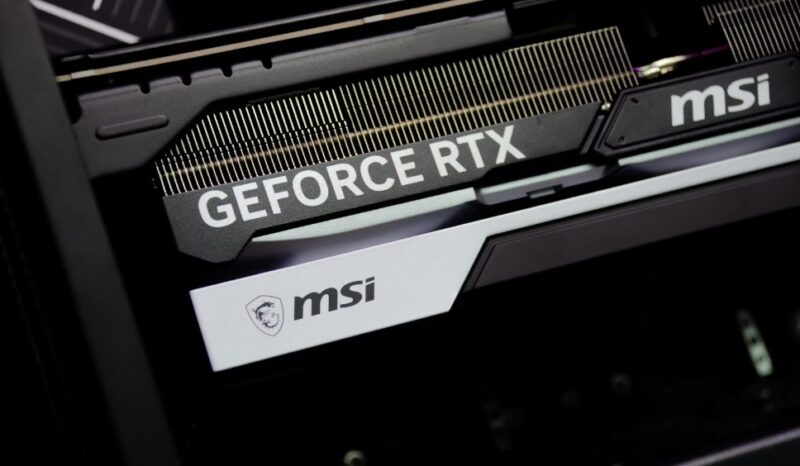
PC upgrades involving higher-end GPUs could result in as much as a $400 increase. Plus, most every component in your PC and other consumer electronics are imported. No, not every component comes from China, but many do, so the cost of PC upgrades could rise as high as the tariff percentages: anywhere from 10 to 60 percent.
What Can You Do to Prepare
Currently, Trump’s tariffs are just part of his campaign promises. However, he will take office January 20, 2025. He could start the process of imposing tariffs shortly after.
While these could still be stopped or at least reduced, keep in mind that his tariffs from 2019 weren’t removed during the Biden administration. The government is likely okay with at least some form of tariffs, but the exact amounts could vary greatly from the campaign numbers.
For now, if you have any major PC upgrades planned or want to buy a new computer, gaming system, or mobile phone, I’d suggest doing so sooner or later. Many of these items are already on sale for the season, and if tariffs are put in place, you’ll be glad you don’t have to absorb the extra costs.
Image credit: Unsplash