A custom “install.wim” file for Windows 10 can go over 4GB, which won’t fit in a FAT32 USB drive. Learn how you can split the install.wim file into smaller files.
Windows 10 comes with a Fast Startup feature that allows you to boot up Windows quickly. Here is what you need to do to make Windows 10 boot up in 3 seconds.
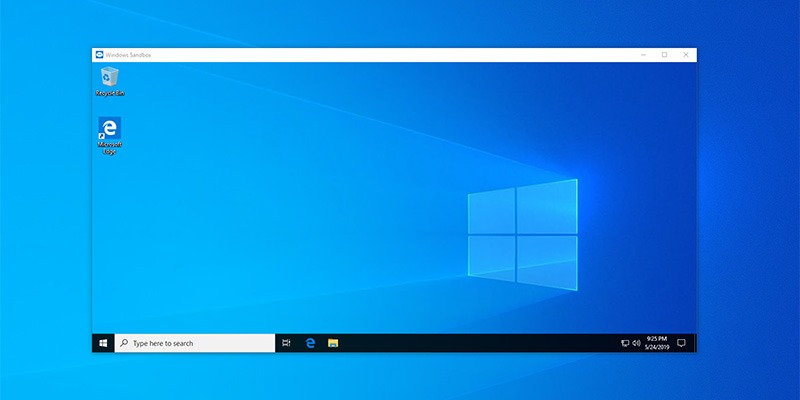
With the Windows 10 May 2019 update, Microsoft added a new Windows Sandbox feature. This articles discusses what Windows Sandbox actually is and how to enable it.
All you need is a Windows 10 PC and a decent connection between your Xbox One and router to stream your Xbox One games to Windows. Here’s how to do it.
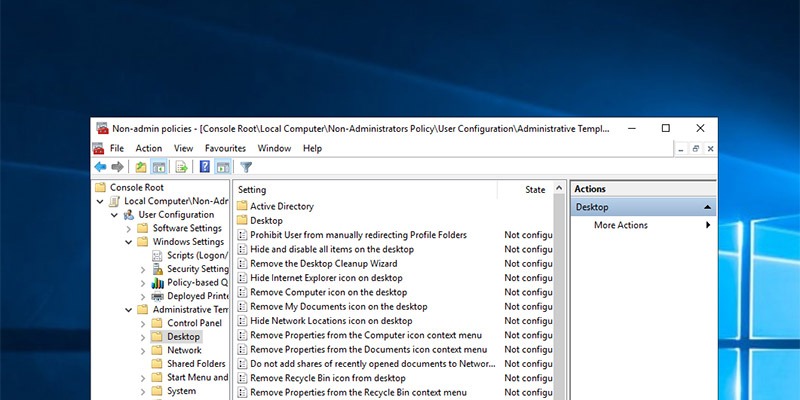
In Windows there will be times when you want to apply group policies to non-administrators only. For these situations, you can create a custom snap-in.
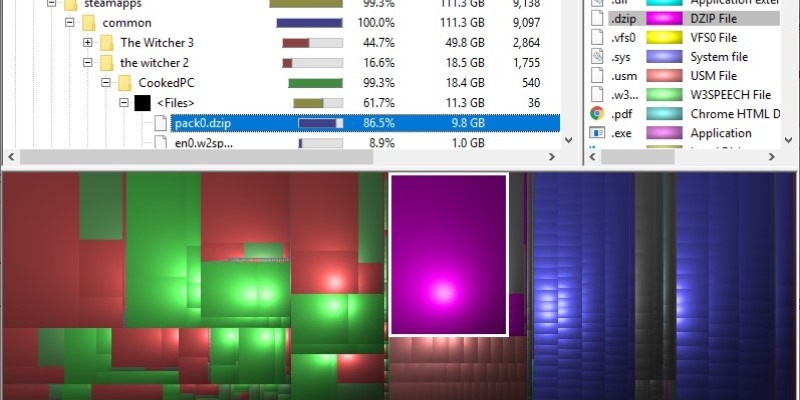
A dis, space analyzer offers a visual representation of how large each directory is. Find out some of the best disk space analyzer tools for Windows 10.
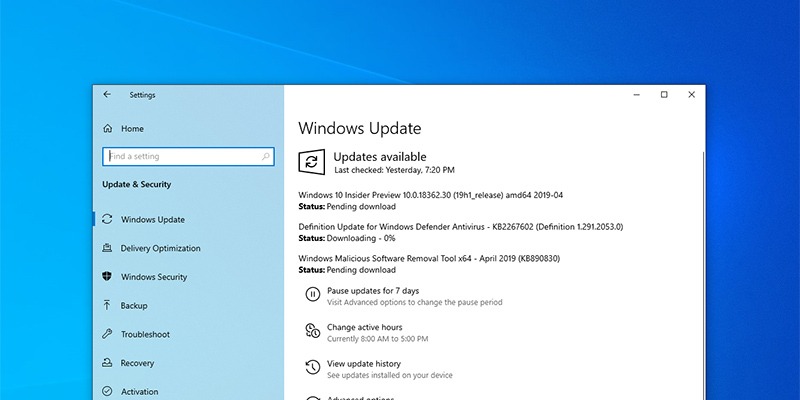
There are times when Windows 10 updates make your system unbootable. For such cases, you can uninstall updates from the advanced startup screen. Here’s how.
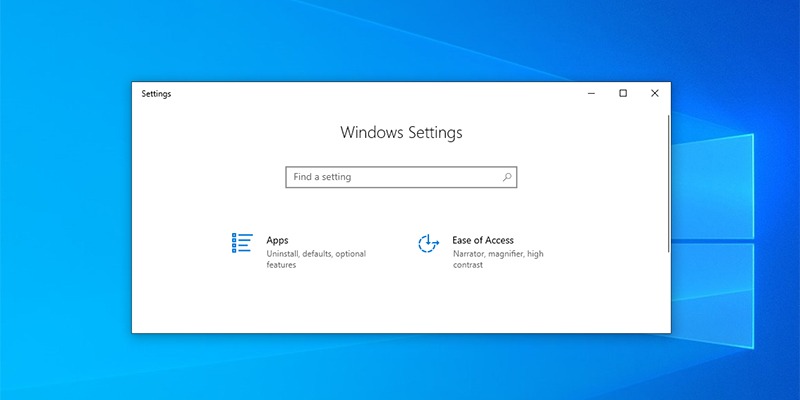
If you are sharing your computer and don’t want users messing with different settings, you can easily hide specific pages in the Settings app. Here’s how.
If you rarely use the microphone, deactivating it is a good security measure. Learn the different methods you can try to deactivate a microphone in Windows 10.
A remote shutdown or restart comes in handy when you are managing several PCs at different locations. Here’s how to remotely shut down your Windows 10 PC.
Remembering what files you’ve shared with others can be difficult. Here are a few tricks to track and view all your shared files and folders in Windows 10.
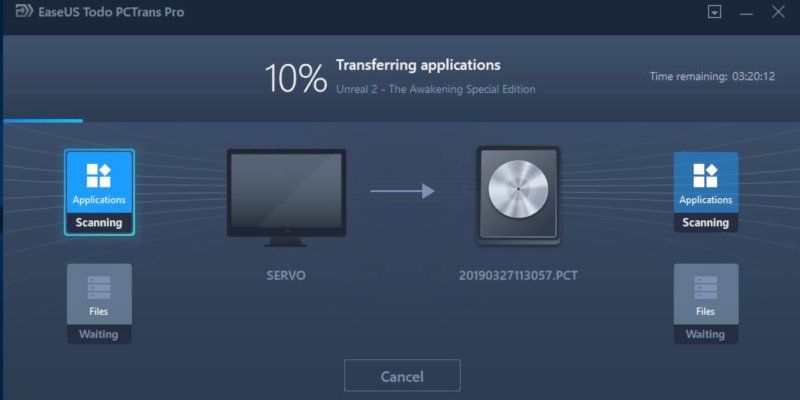
Moving data between PCs can be a hassle. EaseUS Todo PCTrans Professional 10.0 is meant to do exactly this, and it adds a lot of other functionality into the package as well.
Windows Media Player is no longer the default media player in Windows 10. If you cannot find it on your PC, here’s how you can download and activate it.
Windows 7 will reach the end of its supported life in January 2020. Many companies still use Windows 7 to run their businesses. How will this affect them?