

With the TikTok ban just weeks away from taking effect, the Supreme Court is allowing TikTok to make one final stand to save the app, as is. It’s been a battle for months, and these final arguments could be the last chance for Americans to keep using their beloved app.
No Progress So Far for TikTok
U.S. President Joe Biden demanded TikTok’s parent company, ByteDance, sell TikTok and move the source code out of China. This is four years after then-President Donald Trump wanted the same thing.
All of the drama is over ByteDance being a Chinese-based company. The U.S. government fears the company may be storing Americans’ data as a form of surveillance.
Though the ultimatum was issued back in June, TikTok has made zero ground on saving the app, to save it from being sold off. As ByteDance has stated, it’d be a complicated legal process and may take years to complete, even if it was possible to separate the brand from the parent company completely.
TikTok even argued that being forced to move operations and code out of China would violate First Amendment rights, but the U.S. Court of Appeals refused to agree. Thus, it’s another loss in the ongoing battle.
A Glimmer of Hope on the Horizon
There’s no denying that the possible TikTok ban is a historic political battle and not a stand against social media itself. It’s all about the U.S.’s concern that China having access to millions of U.S. accounts could compromise national security. At the start of 2024, TikTok stated there were over 170 million monthly active users in the U.S.
Even if you’re worried about the ban, don’t give up hope just yet. The Supreme Court has granted TikTok’s request to hear arguments one more time. Justices rarely take on a case so quickly, agreeing to a hearing just days after the request. This proves just how critical a solution is – not just to the government, but to the millions of active users throughout the country.
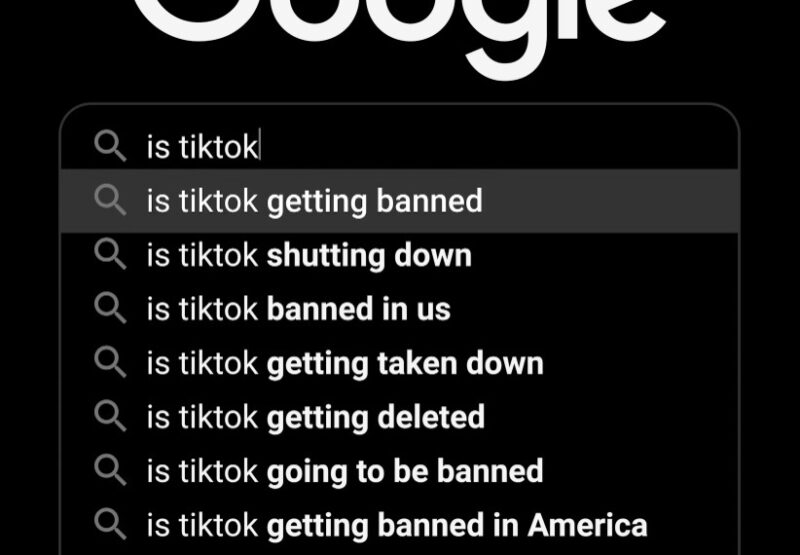
The goal: find the TikTok ban unconstitutional. If so, the January 19, 2025, deadline would be eliminated, and you’d be able to continue using the app. If the ruling doesn’t go in TikTok’s favor, a ban would begin just one day before President-elect Trump takes office.
But that also leads to one last glimmer of hope. Though Trump originally pushed for a ban back in 2020, he’s since said he likes the app, making some users feel he may undo the ban once he takes office on January 20, 2025.
The fate of TikTok all comes down to how the Supreme Court rules. The hearing is set for January 10, 2025. This gives the court just nine days to make a decision that affects millions of creators and users who use the platform to express themselves, earn a living, and escape from daily stressors.
If you are worried about the ban, there are things you can do, such as using a VPN. But, for now, enjoy it while you can and hope TikTok can persuade the U.S. Supreme Court to save the app.
Image credit: Unsplash