
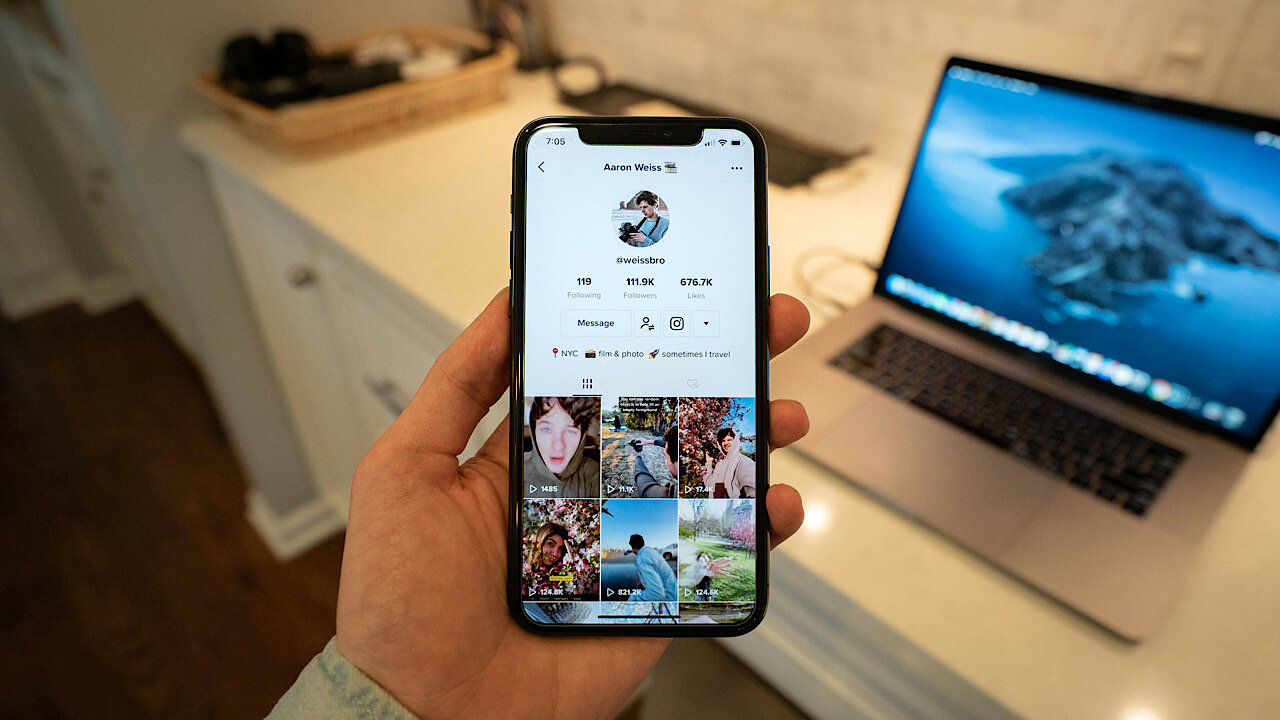

While TikTok continues to get more and more popular, its parent company, ByteDance, has continued to be in trouble with the United States government. A US ban has been dangled over ByteDance for years, leading TikTok to now say the ban is inevitable unless a court order blocks it.
TikTok Runs Afoul of the U.S. Government
United States President Joe Biden issued an ultimatum to ByteDance. If they don’t divest TikTok’s US assets before January 19, 2025, TikTok will face a ban in the country.
Before that January deadline, the two sides will begin presenting their cases to the U.S. Court of Appeals for District of Columbia on September 16. This is in reference to lawsuits that were filed by TikTok and ByteDance, as well as some of the social network’s users.
lawmakers believe they are in the right, as ByteDance is located in China, and there are concerns that the Asian country could access TikTok data or spy on them in some way within the app. TikTok users who are suing, believing the US ban would violate their right to free speech.
The US government and ByteDance did embark on negotiations in this matter, but that ended a few years ago with no resolution. Part of the agreement included the government having an option to shut down TikTok in the US if ByteDance didn’t follow the agreement. The US wanted the source code for the social app to be moved out of China.
ByteDance Advocates for TikTok
Not only is TikTok used by millions of people across the United States who are not happy about losing their daily habit, ByteDance said recently that a divestiture is in many ways not possible, including legally. It added that the process would take years to complete.
Despite the looming threat of a ban, ByteDance continues to plead TikTok’s case, emphasizing its importance and influence in the current digital age. The company is highlighting the platform’s unique features, its immense user base, and TikTok’s potential for empowering creativity and connection among millions of users worldwide.
Meanwhile, users and influencers on TikTok are also expressing their concerns over the possible ban. For many, TikTok has become a vital platform for self-expression, business promotion, and social interaction. The potential ban is seen as a significant blow to digital culture and to the many individuals and businesses that rely on the platform.
The future of TikTok in the United States now hangs in the balance, and much depends on the legal proceedings. It is a waiting game to see if the courts will step in and block the ban, allowing TikTok to continue its operations in the country.
However, if the ban goes ahead, it will mark a significant chapter in the ongoing global debate about data privacy, Internet freedom, and the role of social media platforms in society. If you end up losing your beloved platform, check out these TikTok alternatives.
Image credit: Unsplash