
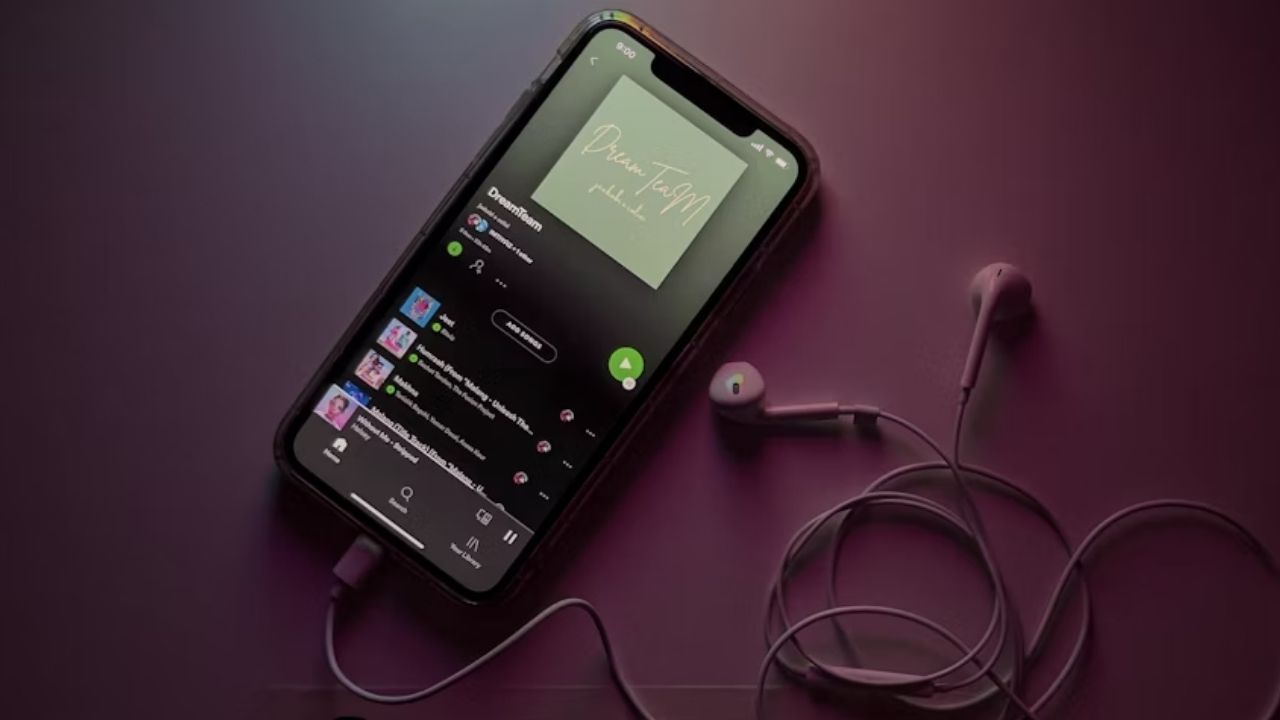

Spotify has brought back its in-app chat tool, the Spotify Messages feature, promising an easier way to share music with friends. In theory, it’s a neat social upgrade. In practice, I can’t help wondering if it’s just another inbox to ignore. Let’s explore what this feature means for you and whether it’s worth using.
Why is Spotify Playing Messenger Now?
Spotify clearly wants to be more than just your go-to for playlists. Hence, the reason Spotify’s new Messages feature lets you share songs, podcasts, and audiobooks directly with friends in-app.
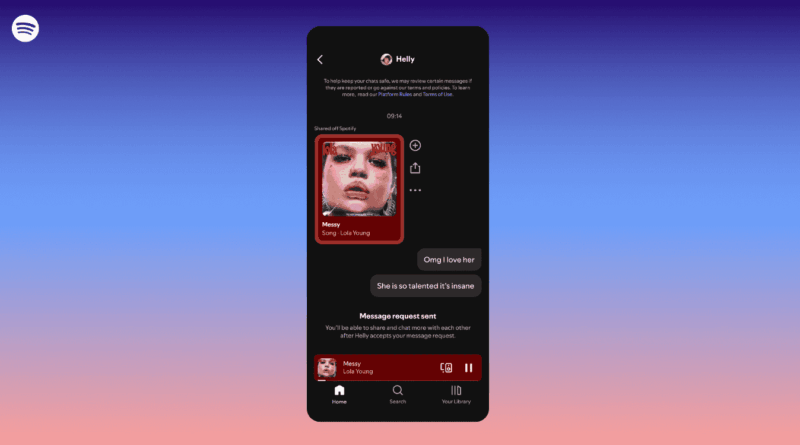
By including messaging inside the app, it keeps users engaged, rather than pushing them to other messaging apps like WhatsApp or Instagram.
Spotify’s goal is to control the entire music-sharing journey. But from a user perspective, it feels like a corporate overreach – Spotify is chasing what we didn’t ask for.
Sharing Made Easy, or Just More Noise?
The Spotify Messages feature’s impact lies in its promise of convenience. You can send podcasts or playlists to friends you’ve connected with through Family plans, Jams, or Blends, without bouncing to another app.
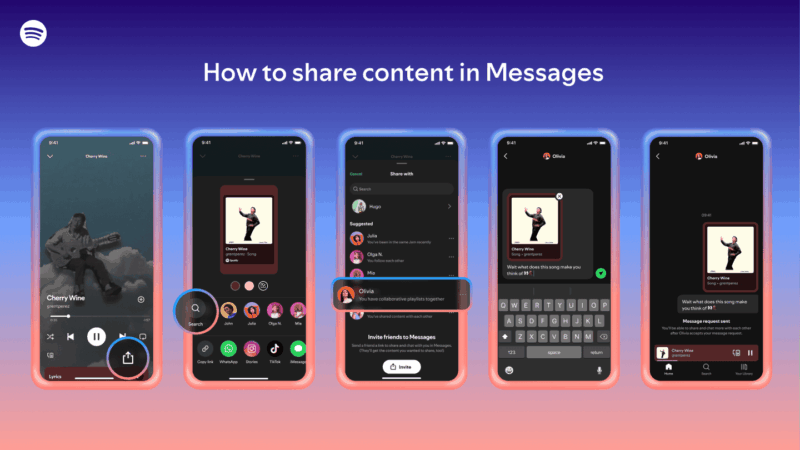
But the reality is, most of us already share our Spotify songs and playlists through established channels like WhatsApp, iMessage, SnapChat, Instagram and others.
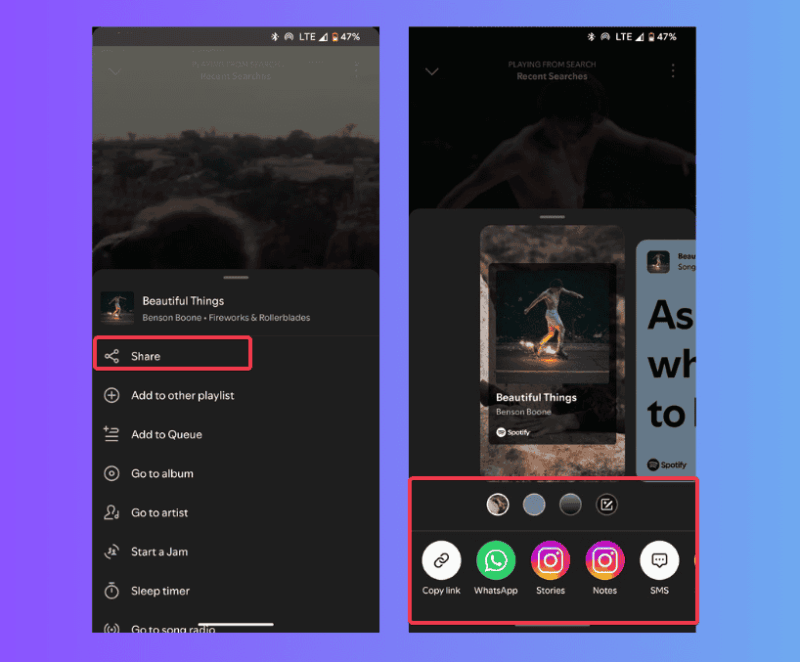
While Spotify Messages might reduce the sharing stress for some, betting that most users will stay glued to their app as a result of this feature seems risky. It could easily become another background noise in an app already packed with features.
This feature feels more like a ploy to boost engagement data and ad revenue than a tool that changes how we connect.
Are Your Chats Safe with Spotify?
Privacy matters, especially with messaging. Spotify touts industry-standard protection for Messages, but that’s vague. There’s no mention of end-to-end encryption, and they admit to scanning content proactively. As someone cautious about data, this raises red flags.
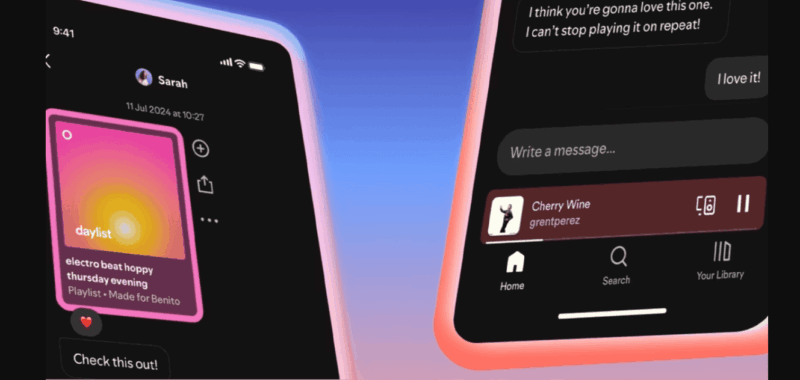
Although you can accept or reject chats, block users, and report bad behavior. In fact, you can opt out entirely via Settings -> Privacy and Social, which is a relief. However, the guardrails are as good as the users who bother setting preferences.
Besides, for teens (16+), open DMs could invite scam, spam, or worse. Similar issues plague other messaging platforms, where you might end up blocking someone on TikTok or hiding an account on Instagram, and more, just to feel safe.
Is Spotify Losing Its Music Mojo?
Spotify’s core strength is music streaming. Now, it’s juggling podcasts, audiobooks, AI recommendations, and the newly added chat features. To me, Spotify is becoming another bloated app with a less clear identity the more it tries to be everything.
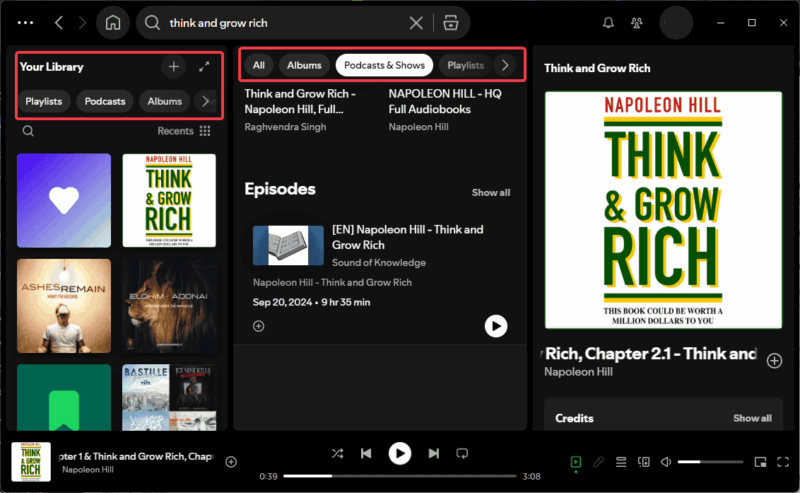
Just like niche features such as Spotify Receipts appeal to a small group, Messages might only matter to a fraction of users.
Spotify is chasing TikTok’s social buzz, hoping to keep you in-app longer. Sure, artists might benefit from the organic sharing, but for users who hide their listening activity for privacy, this could overwhelm them.
Should You Embrace or Ignore Messages?
For niche users like playlist collaborators, the Spotify Messages feature is a small win. It’s great for quick shares without leaving the app.
But for most of us, it’s redundant. My friends are scattered across different platforms, and none of them are waiting for me to DM them inside Spotify. Besides, I’d rather text them than add another chat app to my life.
Looking ahead, Spotify’s Messages is ambitious, but most people will probably ignore it. Curious about Spotify Messages? Test it out, but consider opting out if it’s not your jam. So, will you use this feature or stick to Spotify just for music streaming? Let us know below.