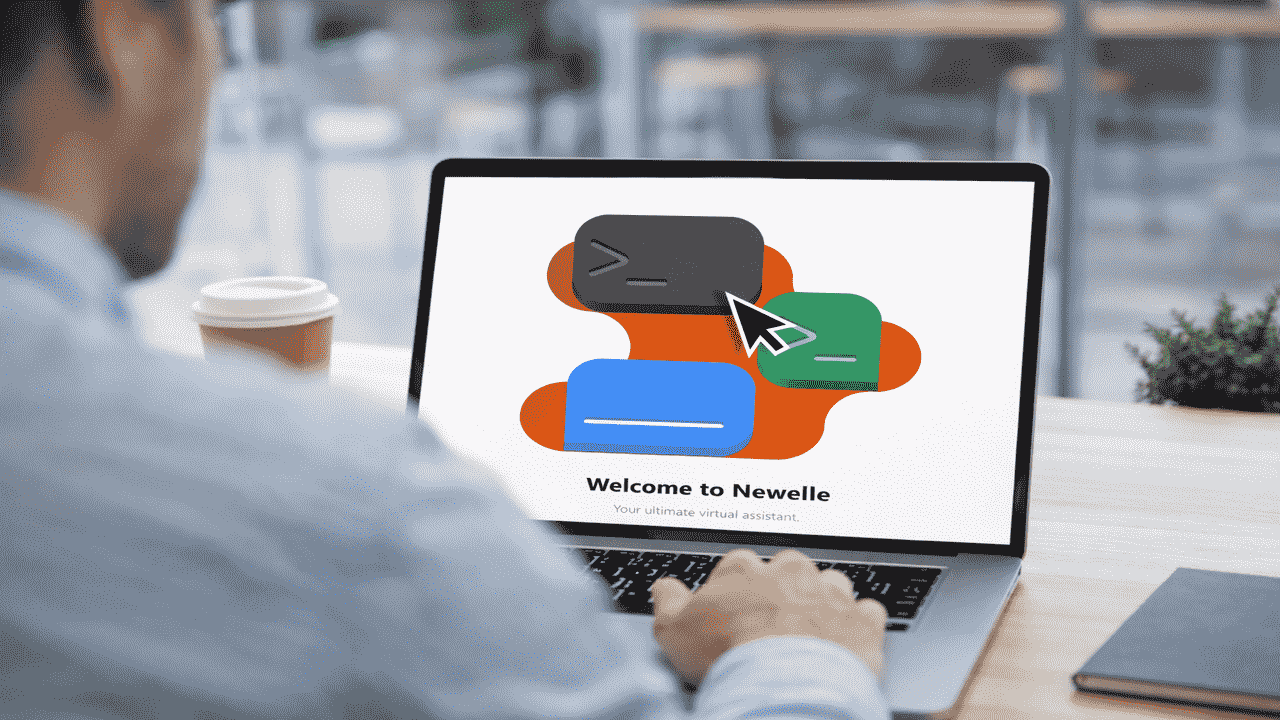
AI assistants are quickly becoming a part of modern operating systems. Windows has Copilot, and Google has started adding AI features into Chrome OS. For a while, Linux users were missing out until the release of Newelle. Now you have a powerful AI assistant built for the GNOME desktop. Find out how this AI assistant can make your Linux desktop much smarter and help you save time during everyday tasks.
Newelle Is Built for the GNOME Desktop
Unlike typical chatbots, Newelle integrates deeply with Linux, particularly for the Gnome desktop. I can run terminal commands using natural language, interact with files, search the web, and connect to different AI models. It combines conversational AI with system-level tools, making it feel like a true desktop assistant while respecting Linux principles of control and privacy. I can choose the AI model I want, including OpenAI, Google Gemini, Anthropic, or even a local model, so I am not locked into a single provider. This flexibility, combined with seamless system integration, makes my Linux desktop smarter and more efficient.
The first thing I noticed was how natural Newelle feels inside GNOME. It doesn’t look or behave like an external app. It blends in. I don’t feel like I am switching context anymore. When I need help, I just open Newelle like any other GNOME app and continue working. No breaks in concentration and no browser distractions.
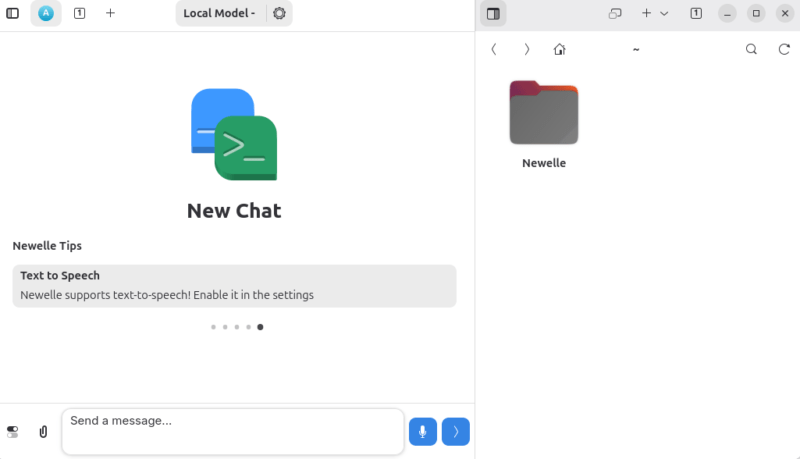
At first, I thought multiple AI model support was just a technical feature. However, it turned out to be one of the most useful parts. For example, when I am writing or researching, I switch to a cloud model for better responses. But when I am working with local files or sensitive data, I switch to a local model.
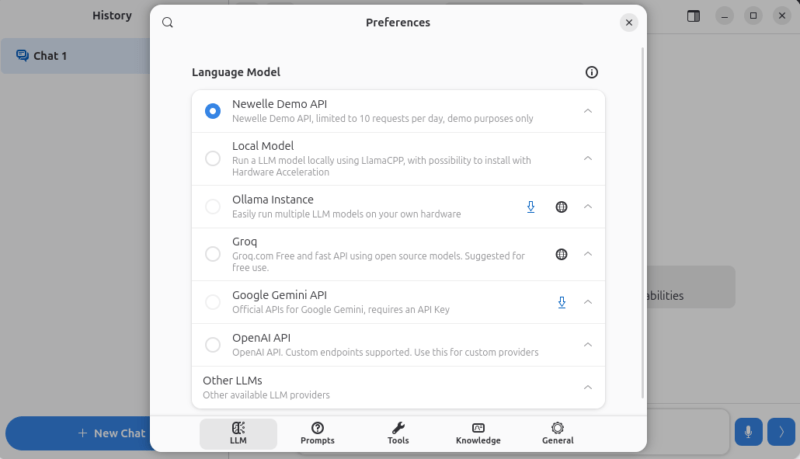
This simple choice gives me control. I am not forced into one system, and that changes how comfortable I feel using AI on my desktop.
Conversational AI and Rich Text
Newelle is not just a chat window for me. It has become a place where I think and organize ideas. For example, when I am writing technical content, I use it to draft explanations, store notes in Markdown, test code snippets, and even format structured content.
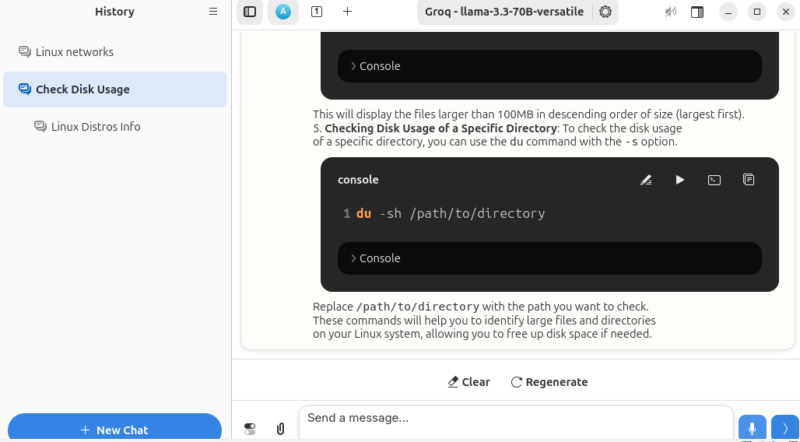
Instead of jumping between a text editor, browser, and notes app, I often stay inside Newelle. Moreover, my conversations stay saved, so I can return to them later instead of starting from scratch.
Voice Interaction
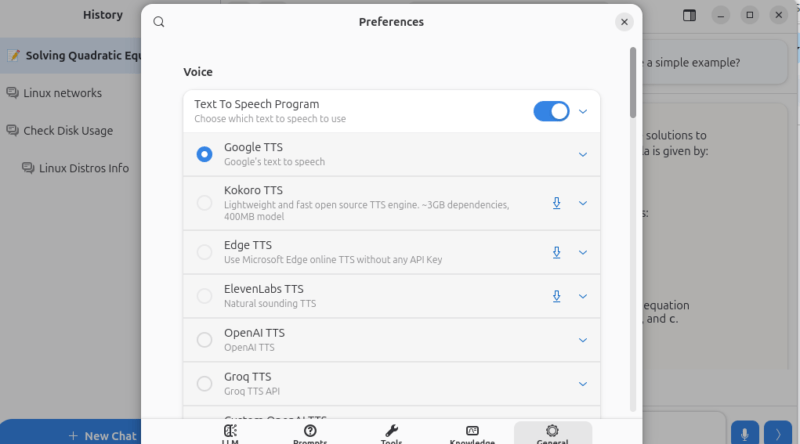
I don’t use voice all the time, but it becomes surprisingly useful when I am multitasking. For instance, if I am reading something or checking logs, I can just speak a quick question instead of typing it out. It feels faster in those moments. It’s not essential, but when I use it, it saves me time and effort as well.
Web Search Integration
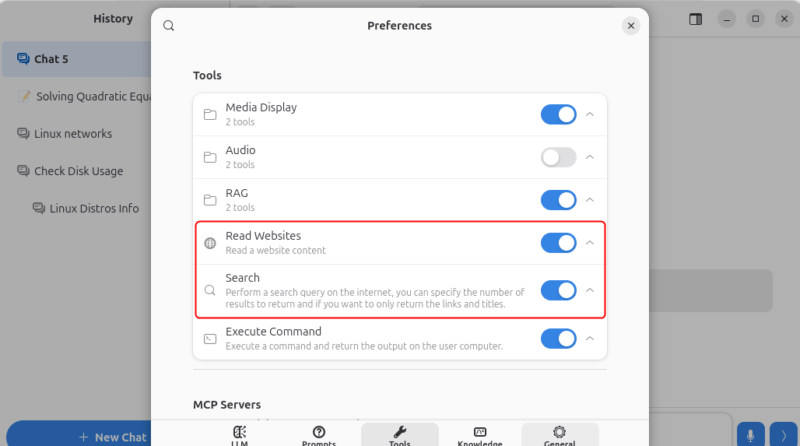
Before using Newelle, I constantly switched to the browser for small tasks like checking commands, looking up quick fixes, or reading documentation. Now, I usually ask Newelle directly. For example, instead of reading long pages, I simply provide a URL and request a summary or the exact information I need. It feels like having a smart assistant that not only answers questions but can also dig into the web whenever I need it.
Chat With Documents
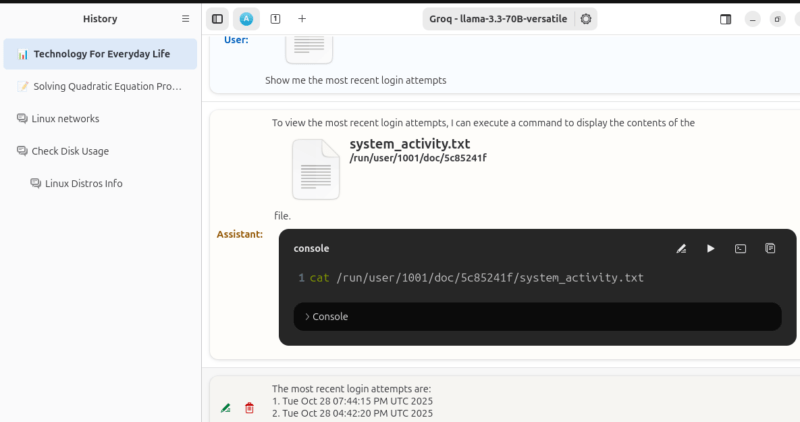
Chatting with documents is where Newelle started saving me real time. For example, I had a log file tracking login activity. Normally, I would scroll through it or use grep commands. Instead, I uploaded the file and asked: “Show me the most recent login attempts”. It gave me the answer instantly. This changes how I interact with files. I don’t just open them anymore. I ask questions about them.
Mini Apps
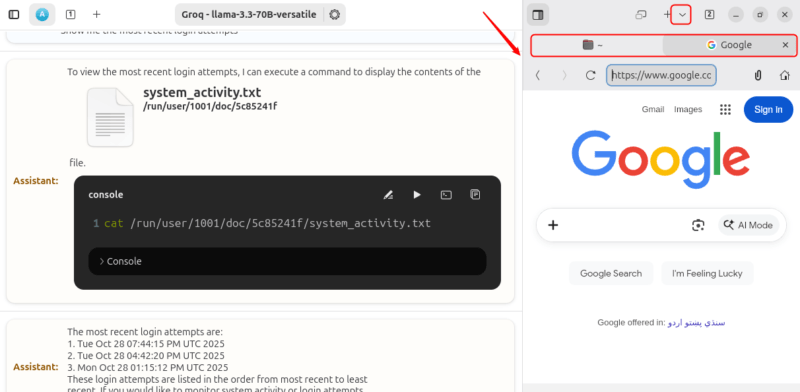
Mini apps are the feature that made the biggest difference in my daily workflow. Instead of opening multiple applications, I can open a terminal, browse files, edit content, and even use a browser, all inside Newelle.
For example, while writing, I can open a document in the editor, check something in the browser, and run a quick terminal command without switching windows. This reduces friction more than I expected.
Personalized Profiles and Extensions
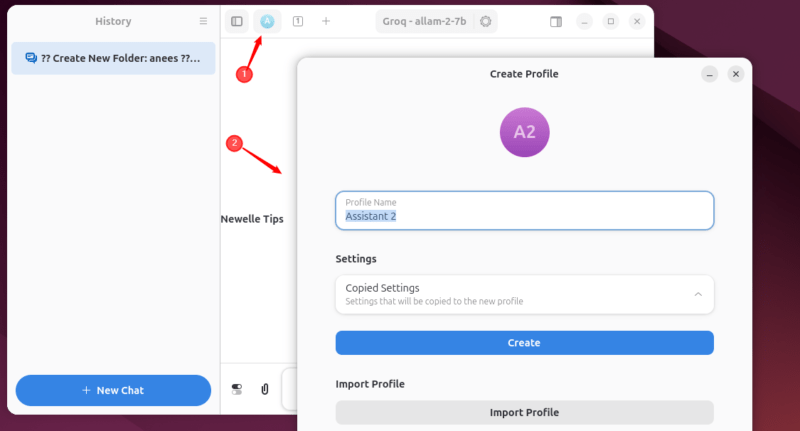
One feature I didn’t expect to use much was profiles, but it turned out to be very useful. I created different setups for different tasks, such as writing, development, and general queries. Each profile remembers my preferred model and settings, which saves time and keeps things organized.
One thing that sets Newelle apart from other AI assistants is its extensions. Whenever I need functionality beyond the built-in features, I can install the appropriate extension.
Installing the AI Assistant on Linux
Newelle is distributed through Flatpak. To install it, first ensure that Flatpak is set up on your system and that Flathub is enabled. Then run this command:
flatpak install flathub io.github.qwersyk.Newelle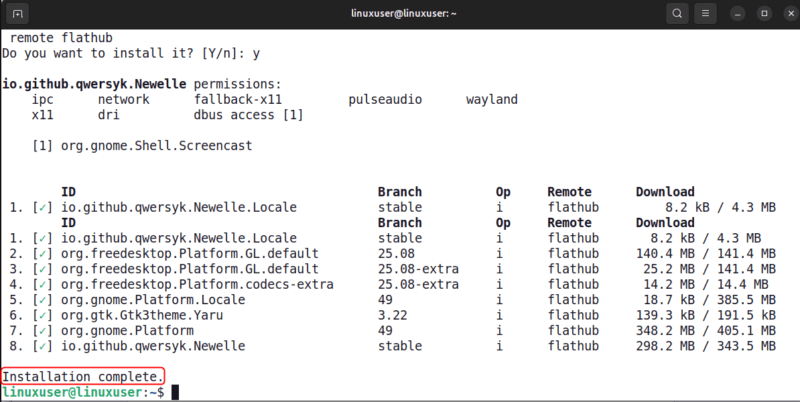
After installation, launch Newelle with the following command:
flatpak run io.github.qwersyk.Newelle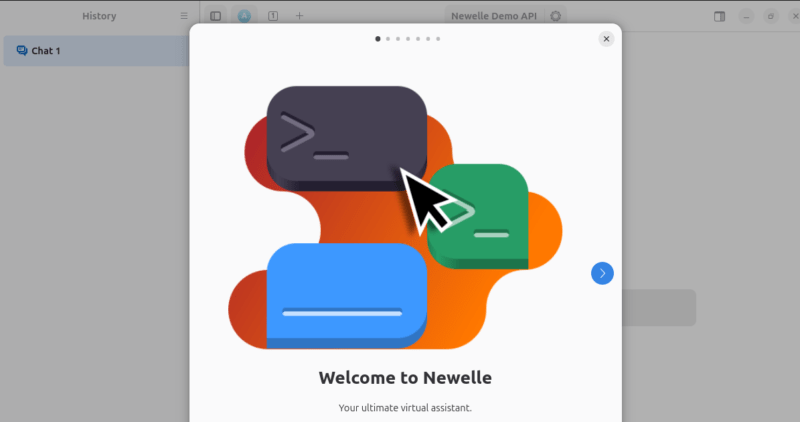
Adjusting Flatpak Permissions (Optional)
Flatpak apps run in a sandbox, which limits their access to your system. To allow Newelle to access files or run commands more freely, install Flatseal using the following command:
flatpak install flathub com.github.tchx84.Flatseal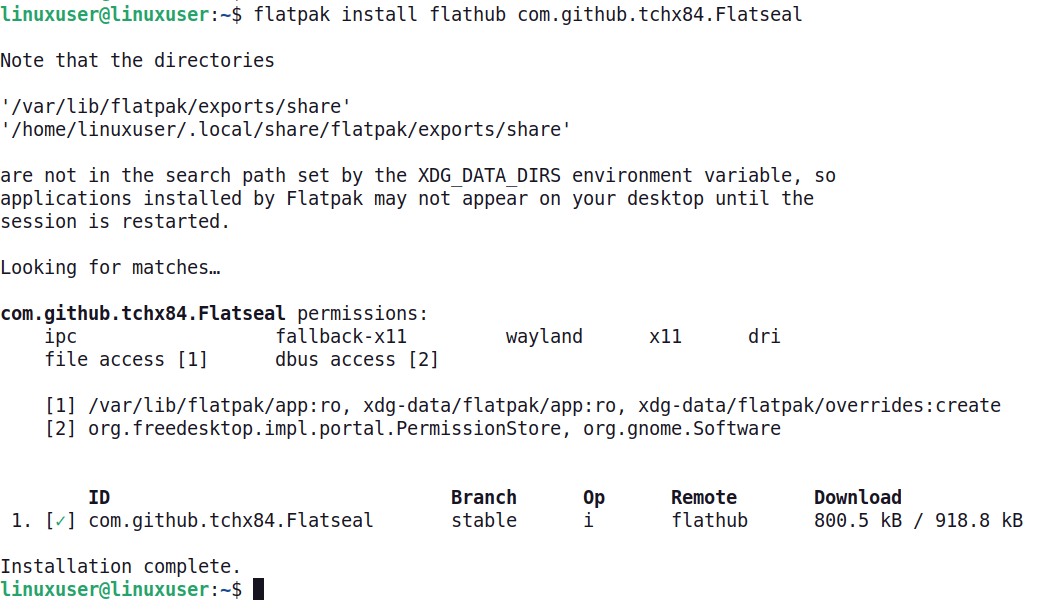
Then, open Flatseal, select Newelle, and adjust permissions. Enable All User Files for full document access and adjust filesystem or network access as needed.
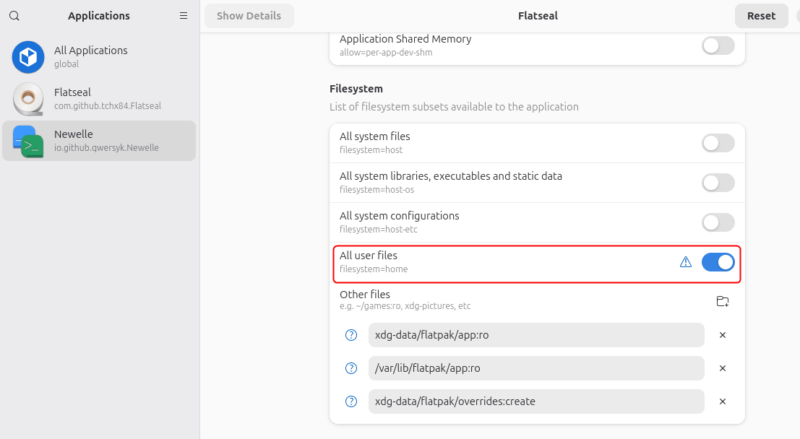
This ensures Newelle can fully leverage your system while remaining secure.
How Newelle AI Assistant Improves Everyday Linux Productivity
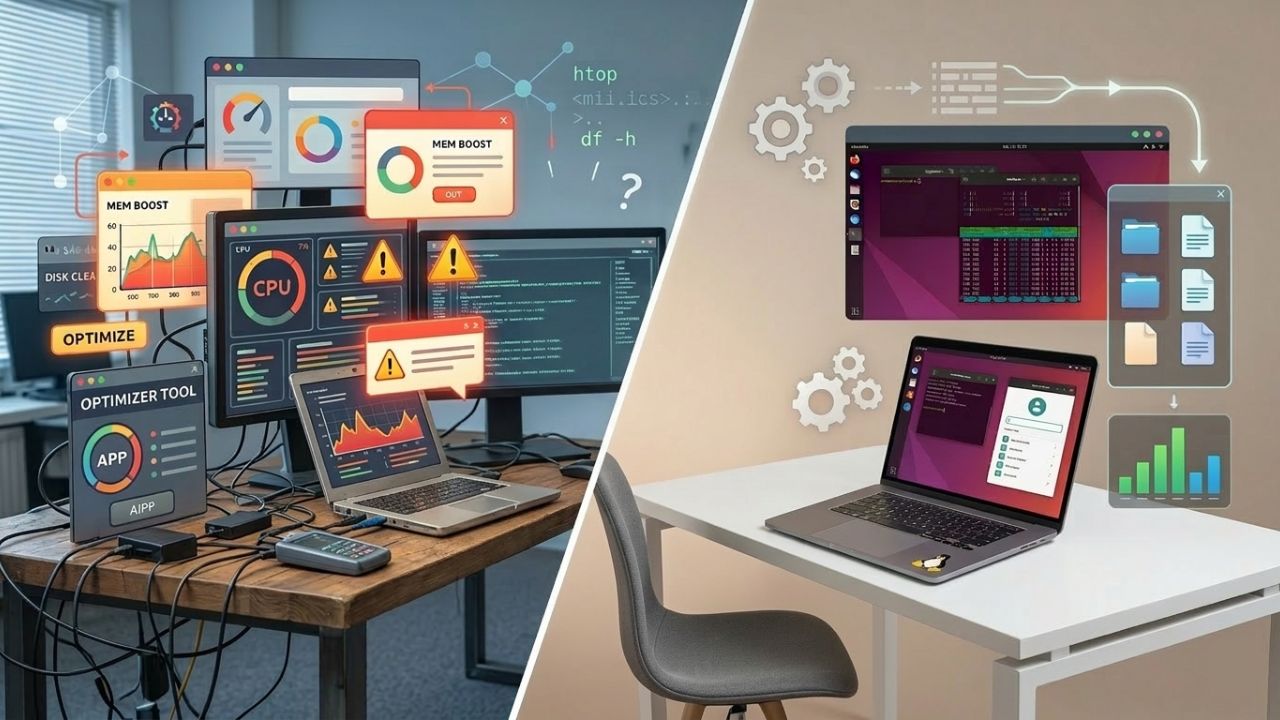
Before using Newelle, my workflow required switching between the terminal for commands, the browser for searches, the editor for writing, and separate tools for notes. Now, I can do many of these tasks in one place. The biggest improvement is not just speed but reduced context switching. I no longer jump between different tools, which helps me stay focused longer and complete small tasks more efficiently. While Newelle did not replace every app I use, it removed enough friction to make my daily work smoother, and over time, that benefit really adds up. If you use GNOME and want an AI assistant that integrates with your system instead of sitting in a browser tab, Newelle is definitely worth trying.