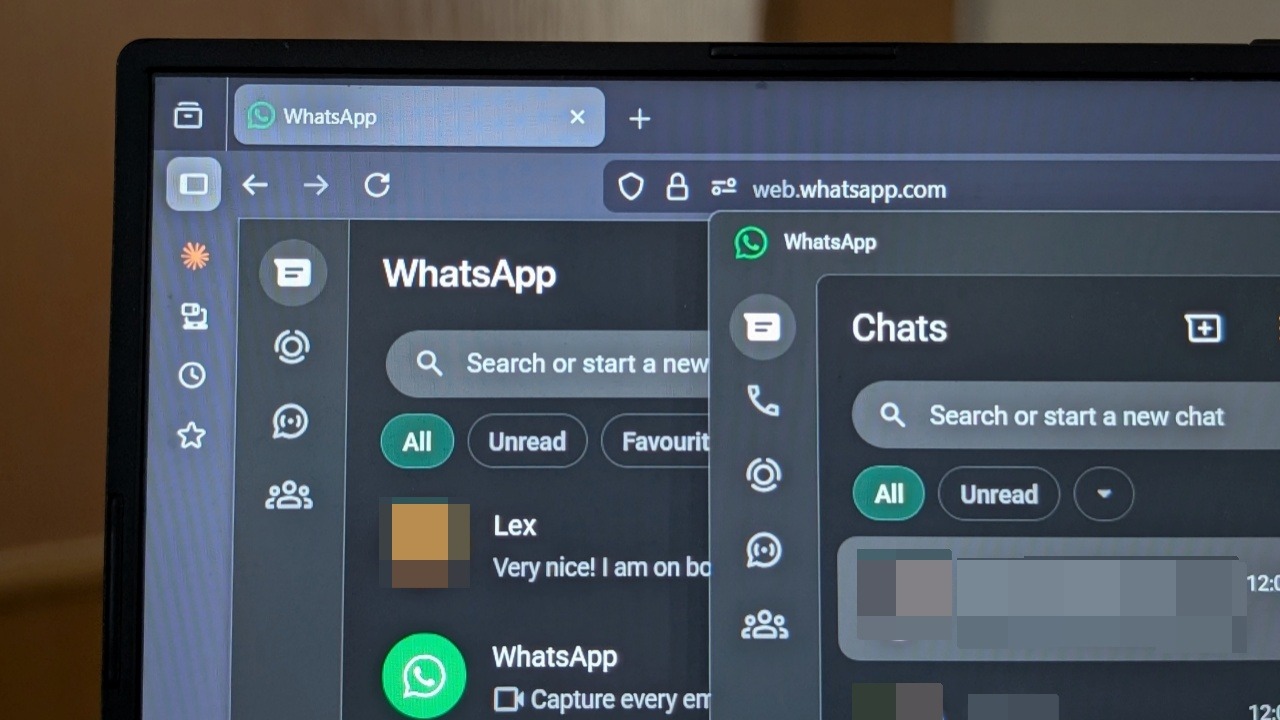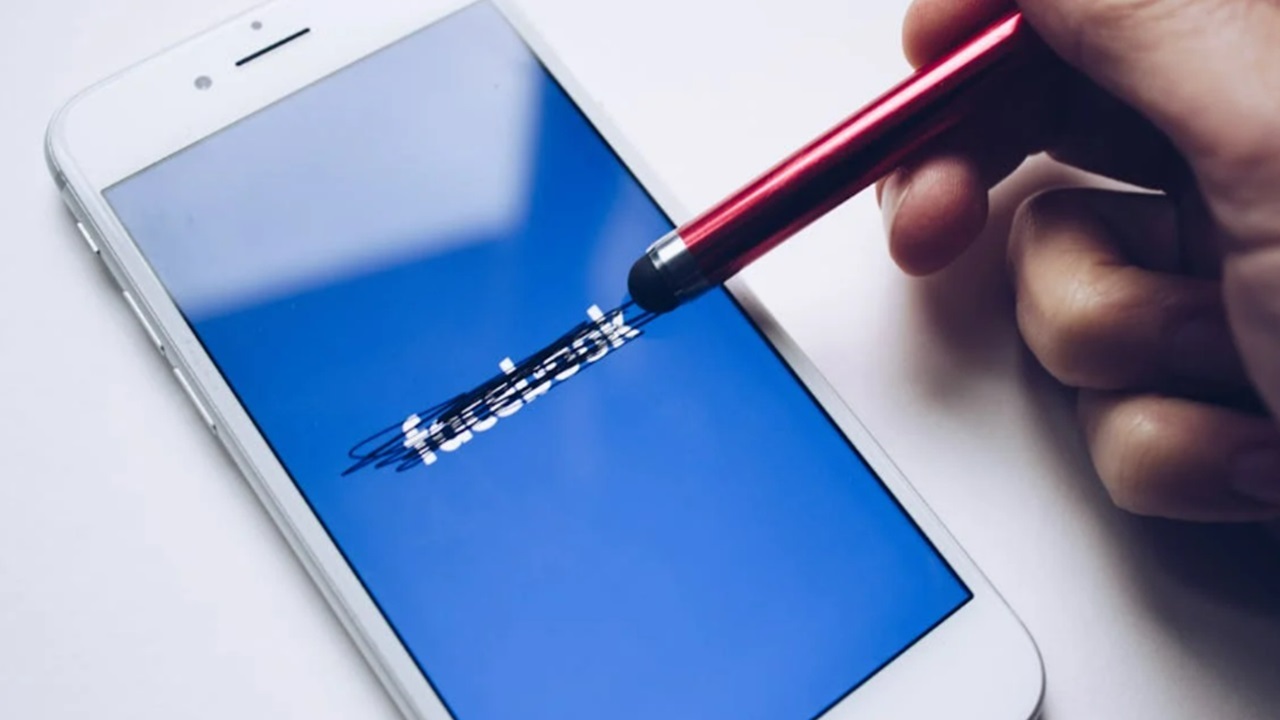
Is it even possible to still exist online if you leave Meta? Yes. Even though Meta owns some of the biggest social platforms, like Facebook, WhatsApp and Instagram, I left it all behind, and amazingly, I still have a digital life, and my personal and professional lives have continued with no issues.
I Decided to Leave Meta and Have No Regrets
I joined Facebook back in 2008 to connect with friends and share some of my early writing. Things were actually good back then, and I enjoyed myself. Flash forward to 2020, and I had had enough of Facebook and Instagram.
I had already dumped Threads, as – let’s be honest – it wasn’t great. And I never adopted WhatsApp, so I didn’t have to worry about losing anything there.
If I wanted to pull the plug on Meta, I just had to cancel my Facebook and Instagram accounts.
Still, I remember less than a year before, I applied for a job that required me to have a Facebook account to verify that I existed. I admit, I had held on to both accounts mainly out of fear that I somehow wouldn’t exist online or be able to connect without them.
But, after the chaos of 2020, I pulled the proverbial plug. Four years later, I have zero regrets outside of wishing I had done it sooner.
Why I Left Meta
If you’ve used Facebook, Instagram, and/or Threads, you’ve likely noticed the platforms becoming more and more toxic and far less engaging and useful. For me, I left for the following reasons:
- Privacy concerns – while there are some ways to make Facebook private, my data was always for sale. Just scrolling through my feed felt like having a crowd standing behind me, taking note of everything I did. Despite numerous investigations and fines, privacy has only gotten worse. Of course, other platforms have this issue too, like TikTok.
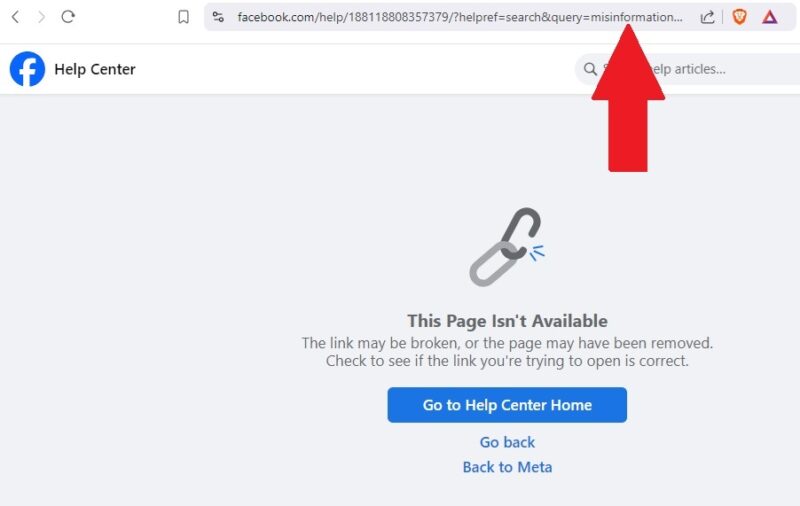
- Rampant misinformation – yes, other social platforms love misinformation, but it got to the point that I couldn’t scroll through more than a few posts without seeing blatant misinformation about politics and health. And much of it was downright dangerous. For some reason, Meta’s algorithms thought I needed to see these grievously incorrect posts over the legitimate news sources I followed. Even their page on spotting fake news is a broken link.
- Threats allowed and encouraged – this was actually the last straw for me. Several friends and creators I followed were temporarily banned after they reported other users’ for threatening them. Not only did Meta say the threats were okay, but they banned the victims because they used expletives in a response. If Facebook and Instagram don’t care if users’ lives are threatened, that’s not a place I want to be.
- Difficulty seeing posts from people I follow – when I choose to follow someone, it means I want to see their posts. I don’t care about what Meta “wants” me to see. Businesses, brands, and creators I follow shouldn’t have to pay Meta just so that I can see their posts. If I can’t even see the posts I want, why should I stick around?
- Better for my mental health – yes, social media is terrible for mental health. The constant barrage of information isn’t healthy. Plus, the toxicity on Meta’s platforms gets to me. A month after I decided to leave Meta, I actually felt better.
- Better communication methods – I don’t need Facebook (or Messenger), Instagram, Threads, or WhatsApp to communicate. I have email, texting, and (gasp!) even calling. If someone wants to reach out, they have ways to get in touch beyond Meta’s platforms.
Still Existing After Leaving Meta
Since leaving, I have encountered professional contacts, new friends, and even job opportunities, who balk when I say I no longer use Meta properties. It has cost me some networking opportunities, but if they’re not willing to use more professional platforms, then I don’t see it as a major loss.
As far as friends, I did lose contact with some of them. They couldn’t imagine not having every digital interaction be on Facebook or Facebook Messenger.
Overall, I’m still existing and quite happily. Currently, I stick with:
- LinkedIn – ideal for professional networking, interesting news in topics I choose, and even a handful of close friends.
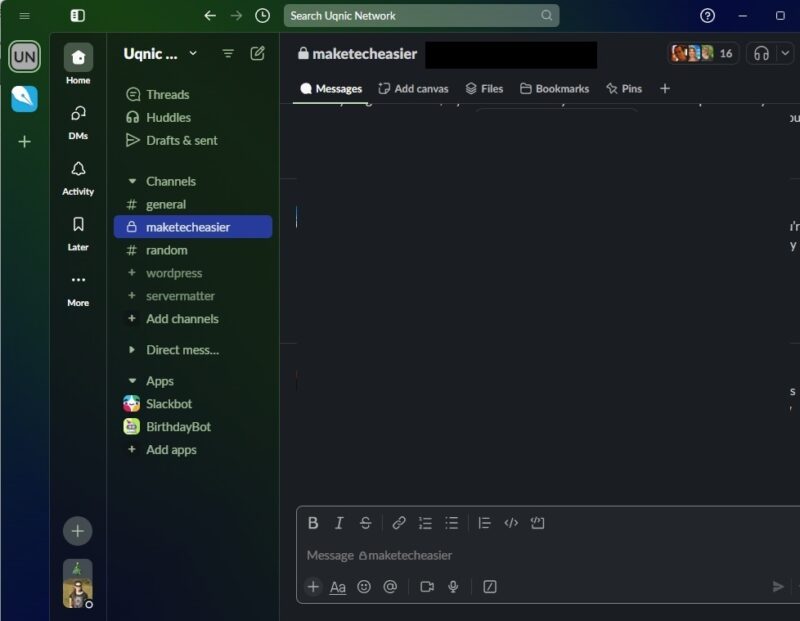
- Slack – perfect for professional and hobby groups and free (though you can upgrade). I’ve had far more engaging conversations on Slack in the past few years than I did on Facebook in a decade.
- Discord – great for friends and hobbies/interests. The Discord servers I’m on are well maintained with zero tolerance for trolls. Plus, myself and some close friends have our own server to keep in touch, share memes, and chat.
- Email – it’s an oldie, but a goodie. It works for both personal and professional communication and never really goes out of style.
- Bluesky – I’m still giving Bluesky a try for a more traditional social network. It’s still fairly small in comparison to Meta’s platforms, but so far, it’s more peaceful.
Despite the “social” element, I haven’t found Meta to be all that social in a long time. I do suggest taking time to save all your data from any Meta platform before you leave, such as images/photos, special posts, important conversations, etc. You can also view these social media platforms without an account. If you’re afraid of losing your digital self if you leave Meta, believe me when I say that you can leave and still exist, and usually, much happier.
Image credit: Pexels. All screenshots by Crystal Crowder.