


Despite existing privacy concerns about facial recognition, the U.S. government was requiring the public to use it. After those plans were put on hold, lawmakers have swooped in and launched an investigation of ID.me, the identity verification contractor, and its use of facial recognition.
Also read: US Government Pushing to Have Airports Use Facial Recognition on Citizens
Federal and State Governments Requiring Use of ID.me
The Internal Revenue Service required the public to use ID.me to access their tax-related records. State governments used it to allow residents to verify their identities when applying for unemployment assistance during the pandemic.
There are no federal laws regulating the use of facial recognition to ensure privacy protections during its use. The General Services Administration warned of problems with facial recognition, and the House of Representatives held a hearing about it in 2019, but nothing was resolved.
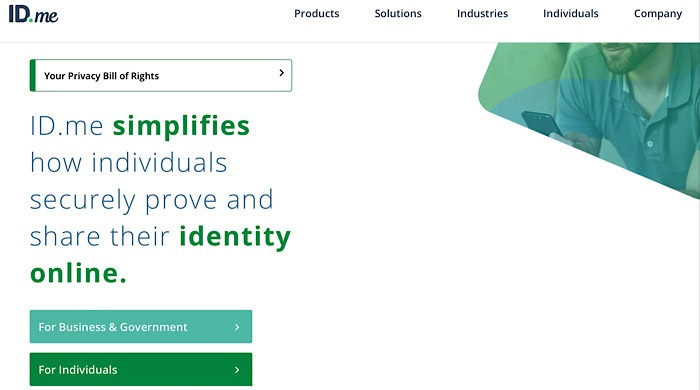
However, there have always been questions surrounding the government’s reliance on it. It reached a controversial level after the IRS announced that taxpayers would be required to use ID.me and its facial recognition to gain access to their records.
After Congressional complaints and those of taxpayers and privacy advocates, the IRS aborted its plans to use ID.me and facial recognition. For its part, ID.me said it would drop facial recognition for federal and state governmental use.,
Patrick Dorton, ID.me spokesman, issued a statement that said the company is still a “highly effective solution” for government agencies. He also maintained that ID.me helped keep fraud to a minimum during the pandemic.
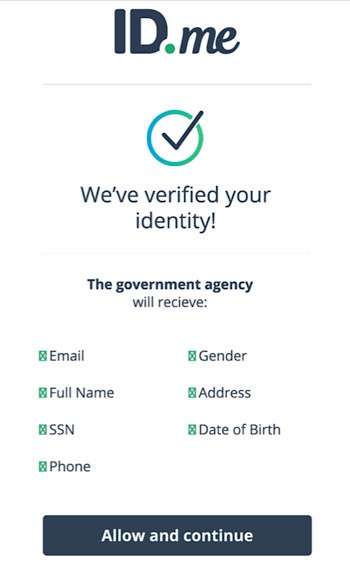
To combat security concerns, he suggested people are having more success in setting up IRS accounts with ID.me, despite concerns. “We look forward to providing important information to the Committee on how ID.me has expanded access to government for disadvantaged Americans, including individuals who do not have credit history, are underbanked, or are without a home,” he relayed.
Lawmakers Send Letter to ID.me
House Oversight Committee Chair Rep. Carolyn B. Maloney, House Majority Whip James E. Clyburn, and other lawmakers issued a 10-page letter to ID.me Chief Executive Blake Hall. They requested that the company turn over records concerning contracts with federal, state, and local governments. They also requested answers detailing how inaccuracies with facial recognition are handled.
In particular, the lawmakers have “serious concerns” about contracts with 10 federal agencies and 30 state governments. These concerns cover facial recognition accuracy and delays with pandemic assistance.
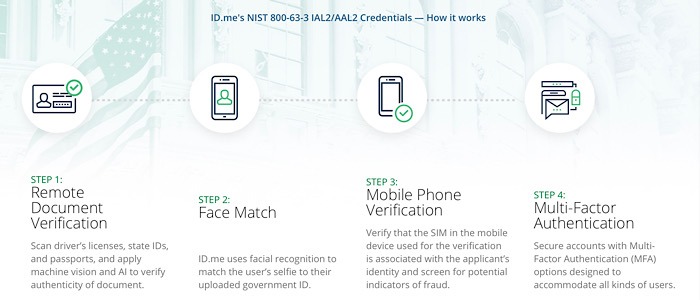
In a statement, Maloney said she hopes the probe leads to “more transparency and accountability.” She added, “Without clear rules of the road, agencies will continue to turn to companies like ID.me, which heightens the risk that essential services will not be equitably provided to Americans, or will be outright denied, and that their biometric data won’t be properly safeguarded.”
The letter asks ID.me to reveal how many people completed the identity authentication for the purposes of government services, as well as how many people were rejected. Wait time and how biometric data was retained were also requested.
Maloney had also pressed the IRS in February on how it would help the 7 million people it directed to ID.me to delete their data and how much it would cost to end the contract with ID.me.
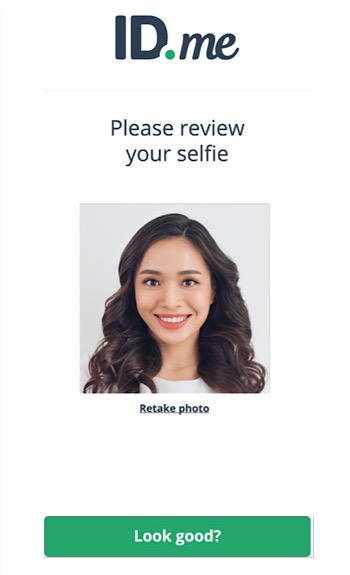
The IRS responded that it would require ID.me to delete user selfies and videos by March 11 and notify users it was doing so. It also said its contract with ID.medid not include additional costs to cancel – yet did not indicate any plans to follow through on that.
Lawmakers also noted in the 10-page letter that there are issues with access to the ID.me service. “The ID.me process creates disproportionate obstacles for older individuals who may face challenges using new technology, residents of rural and low-income areas without high-speed Internet access, and households that share technological devices for school, remote work, or job hunting.”
Read on to learn about lawmakers’ fight to break up tech monopolies.