


I have a screen protector and a heavy-duty case on my phone, which probably says something about me as a person. But terms like “splash-resistant,” “waterproof,” and even “military-grade” are terms that exist on a spectrum – how many “splashes” can something resist? What depth is something waterproof to? And what if one of the military grades is “F?” Luckily, between the actual IP (Ingress Protection) standards that exist and the thousands of people dropping phones in water on YouTube, we can get a pretty good idea of what these terms mean.
Ingress Protection ratings
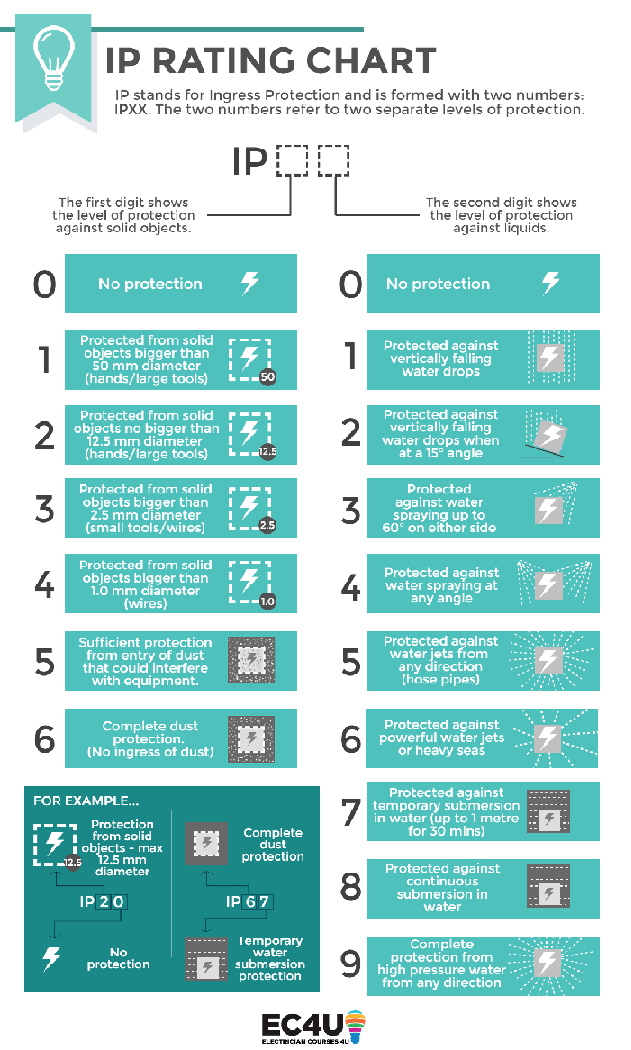
You can find more details on IP ratings here, but the table above (high-quality version here) is your key to figuring out what IPXX means when you see it listed in the device specs. There are two different types of IP ratings — solid/dust and liquid. The first number refers to the dust-protection level, and the second refers to the liquid-protection level. For example:
- IP6X = completely sealed against dust (6), not tested against water (X)
- IPX6 = not tested against dust (X), can be sprayed by a lot of water
- IP68 = completely sealed against dust (6), can be immersed in over one meter of water (8)
Most electronics are at least a level five as far as dust is concerned, but water is a little harder to figure out. Levels one through six only cover water that is sprayed at the device, and at levels seven and eight the phone can be immersed in up to/over one meter of water.
But just because it can be immersed doesn’t mean it can be sprayed. The tests are different, so the capabilities are different. If a device can take a decent spraying and be submerged, it will actually get two ratings, such as IPX6/IPX8.
So it’s time for a translation: what do the words on the package mean in terms of actual use and IP ratings?
Splash-resistant/Splash-proof

If you have a phone, watch, Bluetooth speaker, or other device that says it is splash-resistant, it could be anywhere from IPX1 to IPX4, or even up to IPX6 in some cases (though this will probably be advertised if it’s true). With these devices you’re probably okay using them in the rain for a few minutes or spilling a little water on them. Of all the general categories, this one tends to be the weakest, though, as the bar for splash resistance is pretty low.
Water-resistant
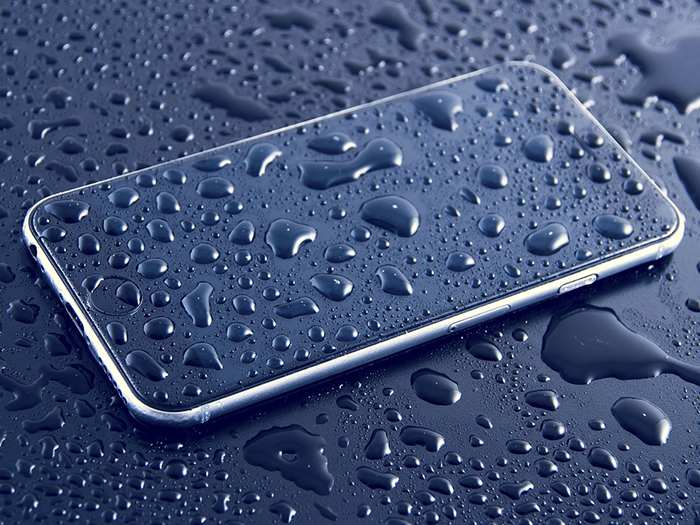
This is the broadest category, so it’s the hardest one to really figure out. Technically water resistance should mean that a device can survive a little immersion, but in practice, especially on cheaper phones, it just means it can take a bit of a spray. Usually, it denotes a step up from splash resistance, so these devices will often have either an IPX5 or IPX6 splash rating (can stand heavy rain/big spills) or an IPX7 or IPX8 immersion rating. If the device just says “water-resistant” and doesn’t have an IP rating, though, you should just refer to “splash-resistant” above, because that’s probably what it is.
Waterproof
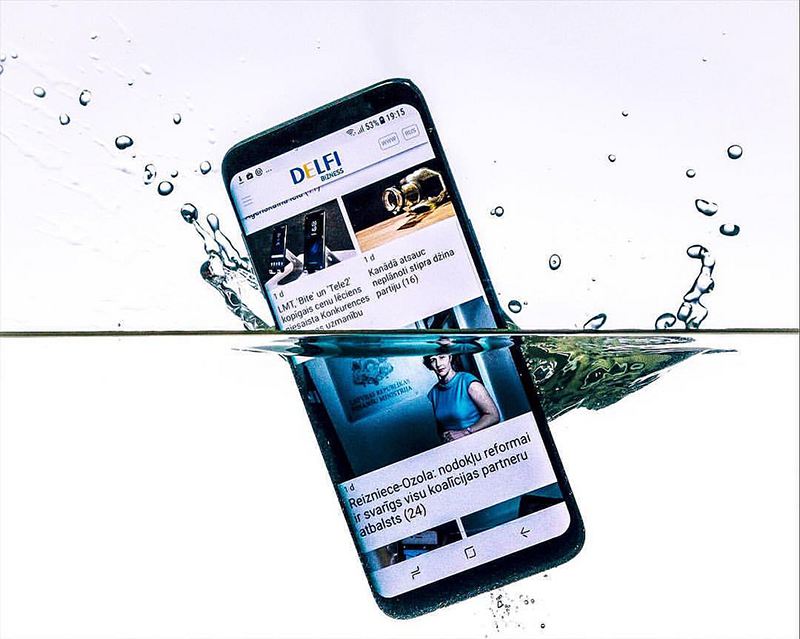
If you want to be a little pedantic about it, almost nothing is really “waterproof” since just about anything that goes deep enough will collapse under the pressure. For our purposes, though, a device that advertises itself as waterproof should be IPX7 (rated for immersion in less than one meter) or IPX8 (rated for over one meter, with standards varying by manufacturer).
Because it’s a more specific claim than “water-resistant,” “waterproof” almost always means that you can safely immerse the phone in water. Generally, though, you shouldn’t go too deep or keep it in the water for over half an hour. As above, if something calls itself waterproof and doesn’t provide an IP rating, you should be skeptical.
Military-grade
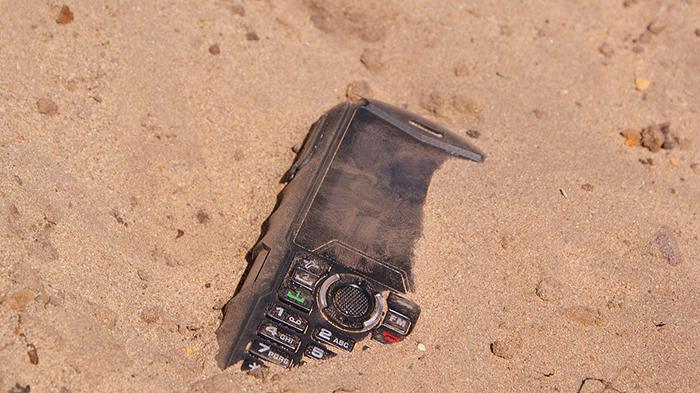
If you see something marketed as military-grade, it’s probably marketing-speak for “tougher than average.” There is no universal standard, and for all you know, the military they’re using for reference could be the non-existent Vatican City military. A better standard in that case might be Popemobile-grade.
Military grades do exist – they’ll have numbers like MIL-STD-810, which are actual standards developed by the U.S Department of Defense. However, unlike the IP standard, there’s no set test or certifying body that checks up on testing methods, meaning that even if a company says something has gone through the MIL-STD-810 immersion test (one meter, with the device heated above the water temperature to ensure that changing pressure inside the device doesn’t suck water inside), it may not actually meet the Department of Defense’s standards. If something calls itself “military-anything,” check to see if it’s backed up by a third party.
Conclusion: no swimming in the deep end
Unless a device specifically says it can withstand active immersion, you probably shouldn’t take it for a swim. No matter how high your phone’s IP rating is, it’s just not a great idea to expose it to lots of water on a regular basis. Especially keep in mind that water resistance is tested using fresh water, not chlorinated pool water, salty ocean water, sugary sodas, and other liquids we encounter in real life. Exposure to harsh types of water can degrade the seals that keep many phones water-resistant.
Also remember that most of these phones are only rated for ~1 meter of pressure. Beyond that, you risk getting leakage. If you have a nice water-resistant phone with an IP68 rating, that’s great – but it was probably an expensive phone, so treat the resistance like an insurance policy, not a lifetime pass to the water park.
Image credit: So, yes, it is waterproof , EC4U