

With the competitive landscape of mobile computing, Google seems to have decided that it has the edge with personalization. The company released changes to many of its products at Google IO 2021 – perhaps one of the most significant changes could be what Android 12 will bring. It’s doubling down on the idea of personalization.
Android 12
Stressing the ” personalization” aspect, Google said the Android platform has always focused on it, leading its growth to 3 billion users. But now, with Android 12, the company wants to add to the personalization, allowing the platform to “adapt to you” while making it both secure and private as well.
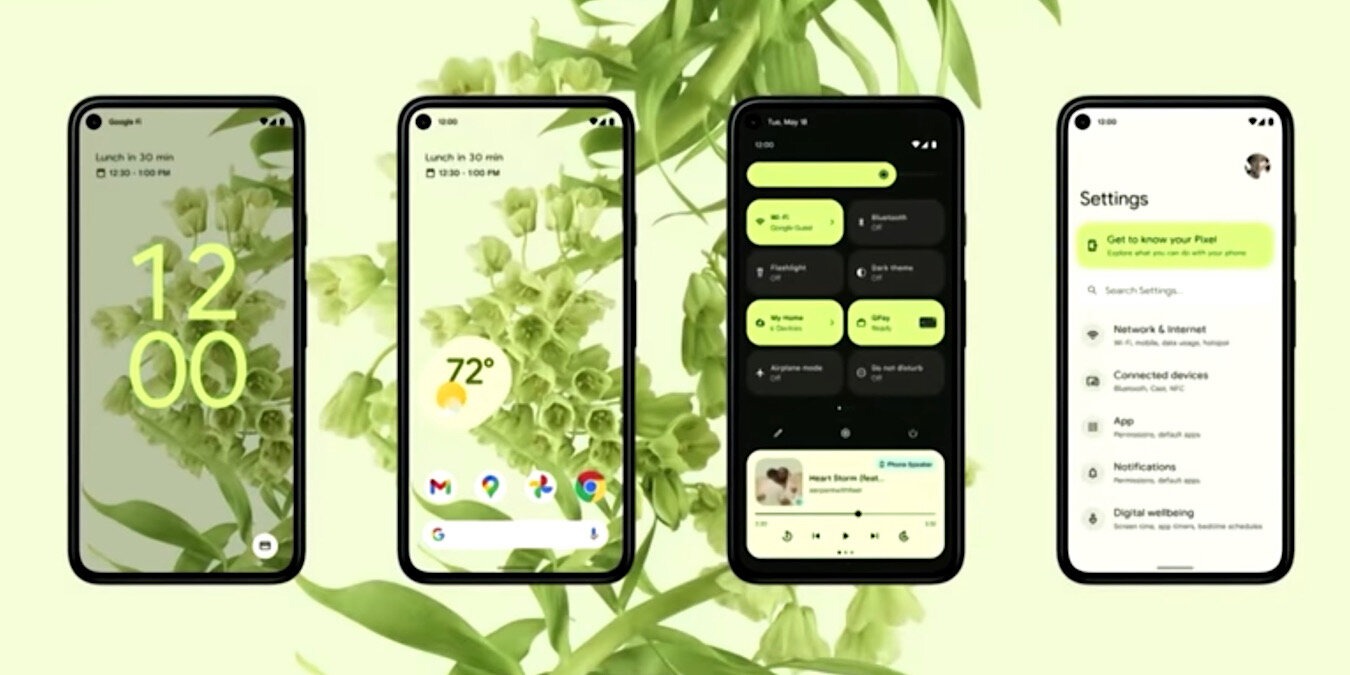
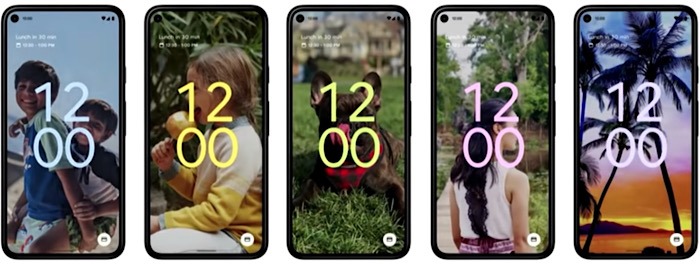
In what it describes as “the biggest design change” in the history of Android, Google again stressed the personalization aspect. The Android 12 beta will first roll out to Pixel devices, with users enjoying a custom color palette and redesigned widgets. “Color extraction” will allow users to choose their own wallpaper, while the system sets the system colors based on that choice. These changes fall under what Google is calling “Material You,” a design language that unites hardware and software.
Android 12 will “quickly respond to your touch with smooth motion and animations.” It will now be “more responsive with better power efficiency,” allowing you to use your device longer without worrying about charging it. The CPU time for core services has been reduced by up to 22 percent and big core use by up to 15 percent to reach that efficiency.
You’ll notice changes to the notification shade, quick settings, and the power button. To help with your productivity, quick settings, in particular, has been rebuilt and will now include Google Pay and Home controls. And now, a long press of the Home button will bring up Google Assistant.
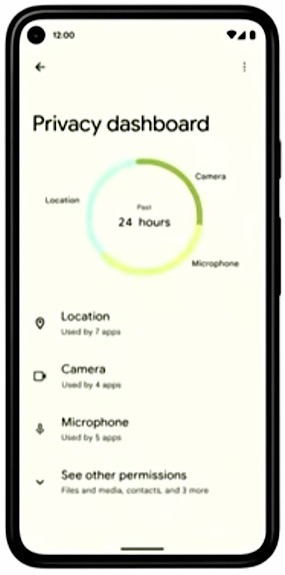
A new Privacy Dashboard allows you to set your own permissions and control your own data. The concentration on data access almost seems a little strange for Google and makes it appear that it’s chasing the new iOS data concerns. There’s even a status bar to indicate when your mic or camera has been accessed. Keeping with the idea of personalization, the level of accuracy in location tracking is up to you.
The Android 12 beta also includes accessibility features, scrolling screenshots, and conversation widgets. The beta is available now.
The Rest
Android 12 wasn’t the only update announced at Google IO 2021, there are some great collaborations. Android and Chromebook will work together more seamlessly. The phone hub launch allows you to manage your Android from your Chromebook. The two platforms will also share browser tabs, allowing you to pick up where you left off.
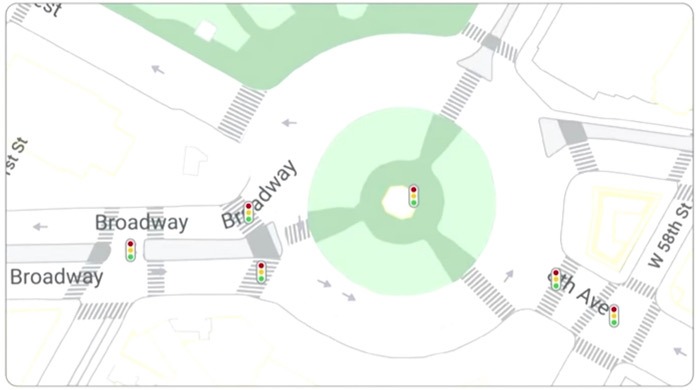
For those times when you’re on the go, Android Auto will now be wireless. Google Maps will now include intuitive AI functions. It will be able to predict when a driver may need to brake hard. Additionally, street maps with details about sidewalks, pedestrian islands, etc., will be available in 50 more cities by the end of the year.
Also read: Google Maps Update Adds Assistant and Food Delivery
Also announced at the Google event, Wear OS and Tizen will benefit from a collaboration of Google and Samsung. The two will now be combined into one platform. This will bring a faster performance, longer battery life, and more apps. Memories in your photos will be highlighted in a new intuitive way, as they will be grouped together when the app finds at least three that fit together based on a pattern in your picture taking. The company is even working on better tuberculosis screening.
While you’re waiting for these exciting changes, take a look at what to do when your Android apps aren’t working.
Image Credit: Google IO 2021 keynote in 16 minutes