
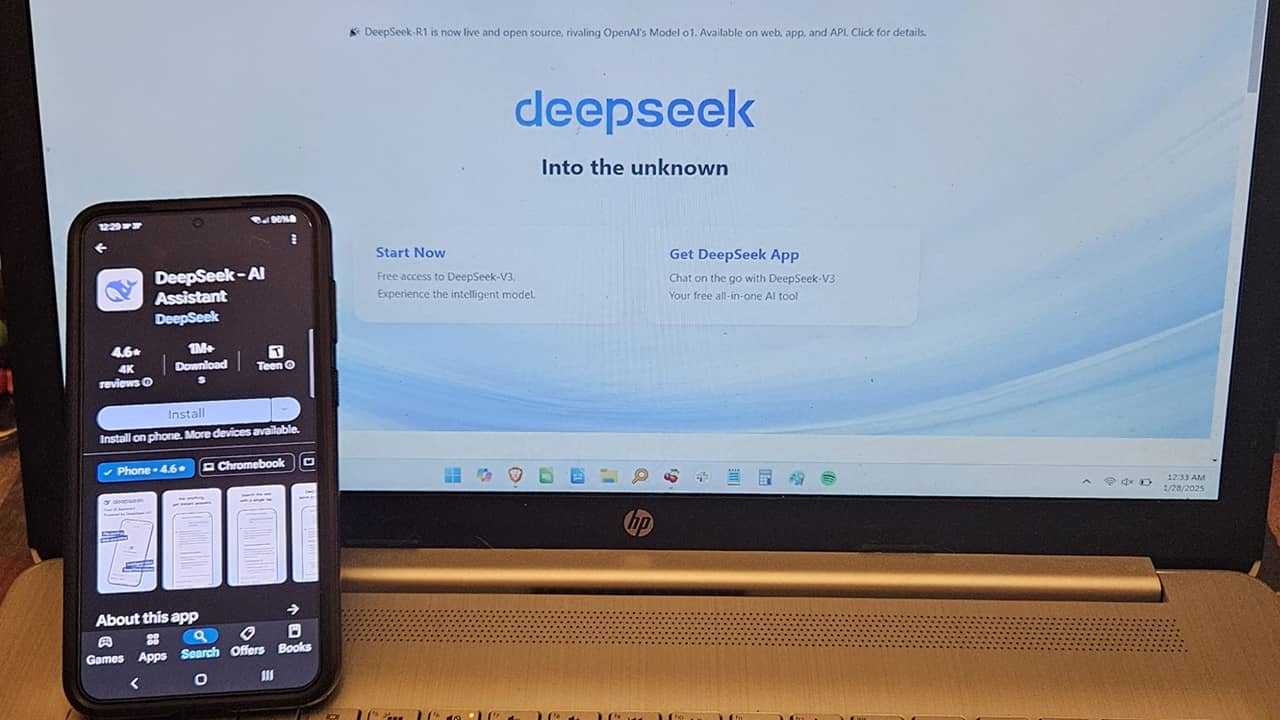

When the Chinese AI company DeekSeek unveiled its potential, the entire AI world stopped and took notice. In fact, the competition is terrified and it’s being reflected in US tech stocks. And, the startup is just a year old, meaning we’re probably just scratching the surface of what their AI can do.
DeepSeek Gives Same Results for a Fraction of the Cost
You’ve likely seen that companies and investors are spending billions on AI development. OpenAI, Google, Meta, Microsoft, and others have invested heavily in AI research and development already with plans to up investments in 2025. In fact, OpenAI’s CEO, Sam Altman, estimates the industry would need trillions to really advance the technology. For many new devices, such as Samsung’s latest phones, AI is the main focus.
Then walks in DeekSeek. A relatively new Chinese startup that doesn’t need billions. Its AI app only cost an estimated $6 million. And, according to AI experts, its capabilities are on par with ChatGPT.
Liang Wenfeng funded the project with his hedge fund. He bought numerous Nvidia A100 chips before it was banned from being exported to China. These chips serve as the basis of DeepSeek. Considering these are supposedly inferior chips to what current AI developers are using, it’s impressive to see Wenfeng get similar results to the competition.
Another reason DeepSeek is shaking up the AI industry – its language learning model requires far less resources to operate. The AI tool uses inference-time computing to limit queries to just the most relevant portions of the AI model. This results in less memory and overall computing power, thus less money to run.
Investors are now looking at whether the large investments are worth it when the same results are possible for just a fraction of the cost.
Considering DeepSeek is now one of the top downloaded apps in the Apple App Store. It’s free to download or use online. It was so popular, many users weren’t able to sign up at first. The company blames the problem on a malicious attack designed to scare new users away.
Tech Stocks Take a Hit as Industry Reconsiders Costs
On Monday, Nvidia lost almost $600 billion in stock value over the release of DeepSeek. Even, the S&P 500 dropped by 1.5 percent and the Nasdaq fell by three percent.
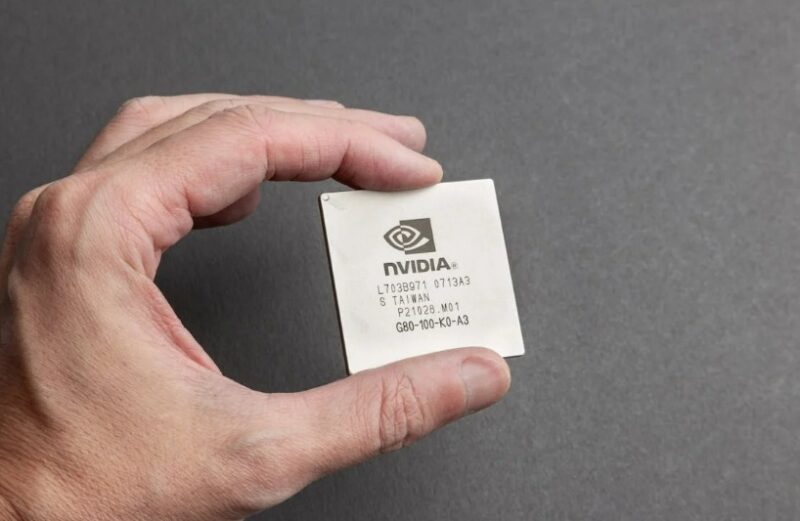
Of course, Nvidia was far from the only tech company to see their stock value drop. Meta, Alphabet (Google’s parent company), Broadcom, Marvell, and TSMC saw noticeable declines. The entire AI industry has been left wondering what’s next, especially with investors reconsidering whether the US is really the leader in AI development or not.
Instead, some investors may pull out of US AI companies to help push the growth of DeepSeek and other up and coming Chinese AI companies. This could also mean the lead for AI development shifts to China versus the US.
If you’re a little tired of AI, give these AI-detector tools a try to skip AI content. Or, use these methods to ensure you’re talking to a real human versus AI.
Image credit: Crystal Crowder