
Samsung Drops Galaxy Watch Ultra to a New Low With 32% Off

We may earn a commission from links on this page.
Deal pricing and availability subject to change after time of publication.
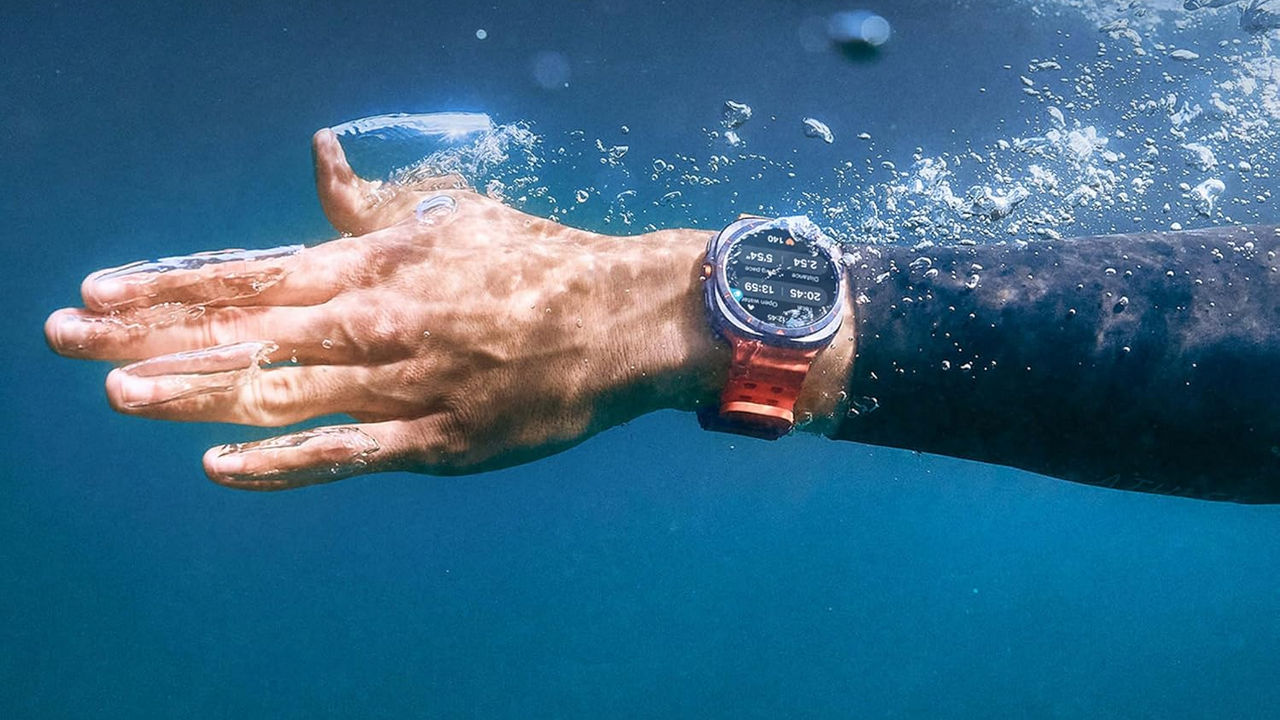
Samsung Galaxy Watch Ultra In Water

Smartwatches are convenient, but they can also be expensive, especially if you are looking to buy from a well-known brand. When you do spend the money, you want something efficient that lasts. That’s where the Samsung Galaxy Watch Ultra comes in, and since it is currently at a discount, now is the perfect time to upgrade.

A quick disclaimer: this watch doesn’t exactly come in a sleek, minimalist design. It has a rugged build, and that’s intentional. The titanium body is designed to handle intense workouts and outdoor adventures (even those that include water) quite well.
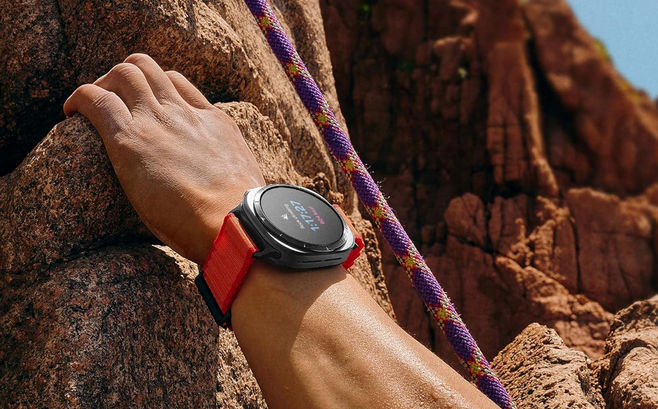
Person Wearing Galaxy Watch Ultra On Hike

The performance is just as impressive. The Samsung Galaxy Watch Ultra doesn’t just count steps and estimate calories. It is powered by Galaxy-AI, which analyzes your fitness data to provide personalized insights and training recommendations. This watch also makes sure all your fitness data is as accurate as it can be. It uses features like advanced heart rate monitoring, which filters out movement noise, so whether you are lifting weights or cycling, your readings remain accurate.

Those who value connectivity will appreciate how easy the Samsung Galaxy Watch Ultra makes staying in touch. With LTE, Bluetooth, and Wi-Fi, you can take calls, reply to messages, and access apps without needing your phone nearby. What’s even better is that this watch features Samsung’s longest-lasting watch battery ever: up to 60 hours.

Galaxy Watch Ultra Orange Band

Right now, with a limited-time discount, the Samsung Galaxy Watch Ultra is an even better deal. Whether you want to track your sleep cycle or analyze your workout performance, this watch has you covered.

Buy this smartwatch for $439.99 after a 32% discount, in Titanium Silver. There are other colors available, but the discounts vary, depending on the color you choose.

Samsung Galaxy Watch Ultra

Make Tech Easier may earn commission on products purchased through our links, which supports the work we do for our readers.

Subscribe to our newsletter!

Our latest tutorials delivered straight to your inbox

Zainab Falak Avatar

Read next

If you double-check if the door is locked (even when you know it is), psychology says you likely have these 8 distinct traits
Psychology says people who push their chair back in when they leave a table usually display these 9 unique behaviors
Mycorrhizal fungi colonised plant roots roughly 450 million years ago and biologists now suspect plants could never have moved out of the oceans onto bare rock without them, meaning every forest on Earth — including the redwoods, the Amazon, and the boreal belt — is still running on a partnership older than trees themselves
Suzanne Simard sealed paper birch and Douglas fir seedlings inside plastic bags, fed them carbon-14 and carbon-13 dioxide, and nine days later found carbon had crossed between species through fungal threads in the British Columbia soil beneath her boots
A species of jellyfish called Turritopsis dohrnii can revert its adult cells back to a juvenile polyp stage when injured or starving, effectively restarting its life cycle, and biologists have so far failed to identify any natural limit to how many times it can do this.
French scientist Michel Siffre spent two months alone in a cave with no clock, no calendar, and no sunlight — and when his team finally told him the experiment was over, he thought he still had nearly a month left underground
When Cingular chief Stan Sigman backed the original iPhone before its 2007 unveiling, he accepted terms American carriers usually refused: no logo on the device, no control over its software, no preloaded apps, and a share of monthly subscriber revenue flowing back to Apple, after signing on without seeing a prototype
In 2016, archaeologists dated two rings of snapped stalagmites in France’s Bruniquel Cave to 176,500 years ago, evidence that Neanderthals had walked 336 metres into darkness with fire and built architecture deep underground long before modern humans reached Europe