
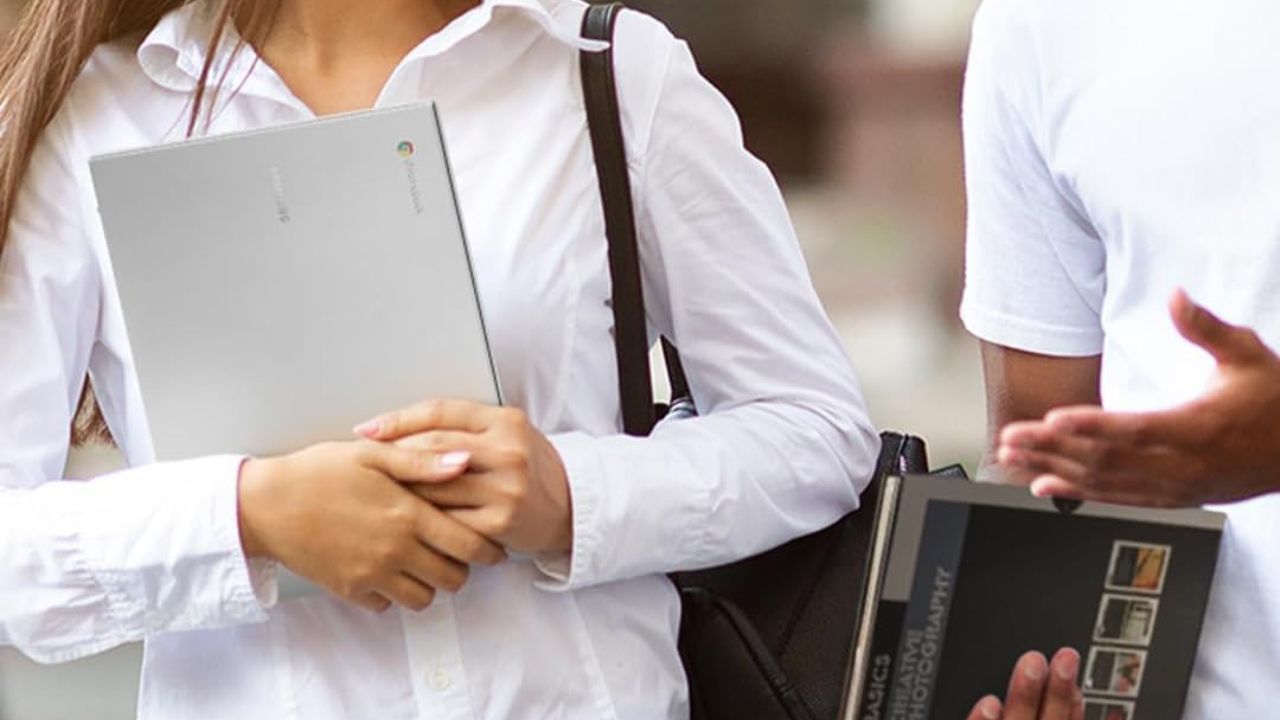

Every new year comes with the same quiet realization: some of the tech we rely on every day is making things harder than they need to be. Old laptops take forever to boot, freeze at the worst times, or feel so cluttered with apps and updates that opening them feels like a chore. If one of your goals for the new year is to simplify your routine and actually use the tools you own, the Samsung Galaxy Chromebook Go feels like a surprisingly good reset.
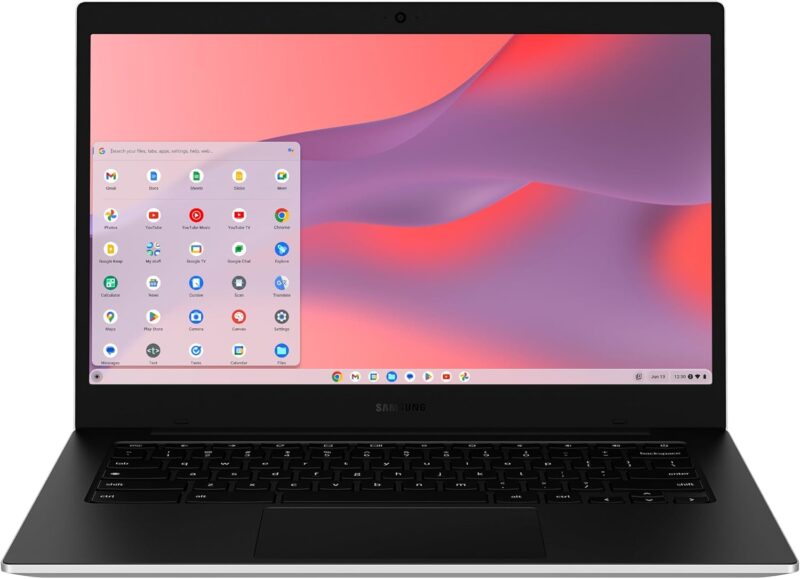
This Chromebook isn’t trying to be everything. Instead, it focuses on the basics most people actually need: browsing, email, writing, streaming, video calls, and everyday organization. And that simplicity is exactly what makes it appealing.
One of the biggest benefits of ChromeOS is how quickly it gets out of your way. The Galaxy Chromebook Go boots up in seconds, stays responsive, and doesn’t require constant maintenance or manual updates. Everything updates automatically in the background, which means you’re not wasting time troubleshooting software or waiting for downloads when you just want to get something done. For anyone starting the year determined to be more productive (or at least less annoyed), that matters.
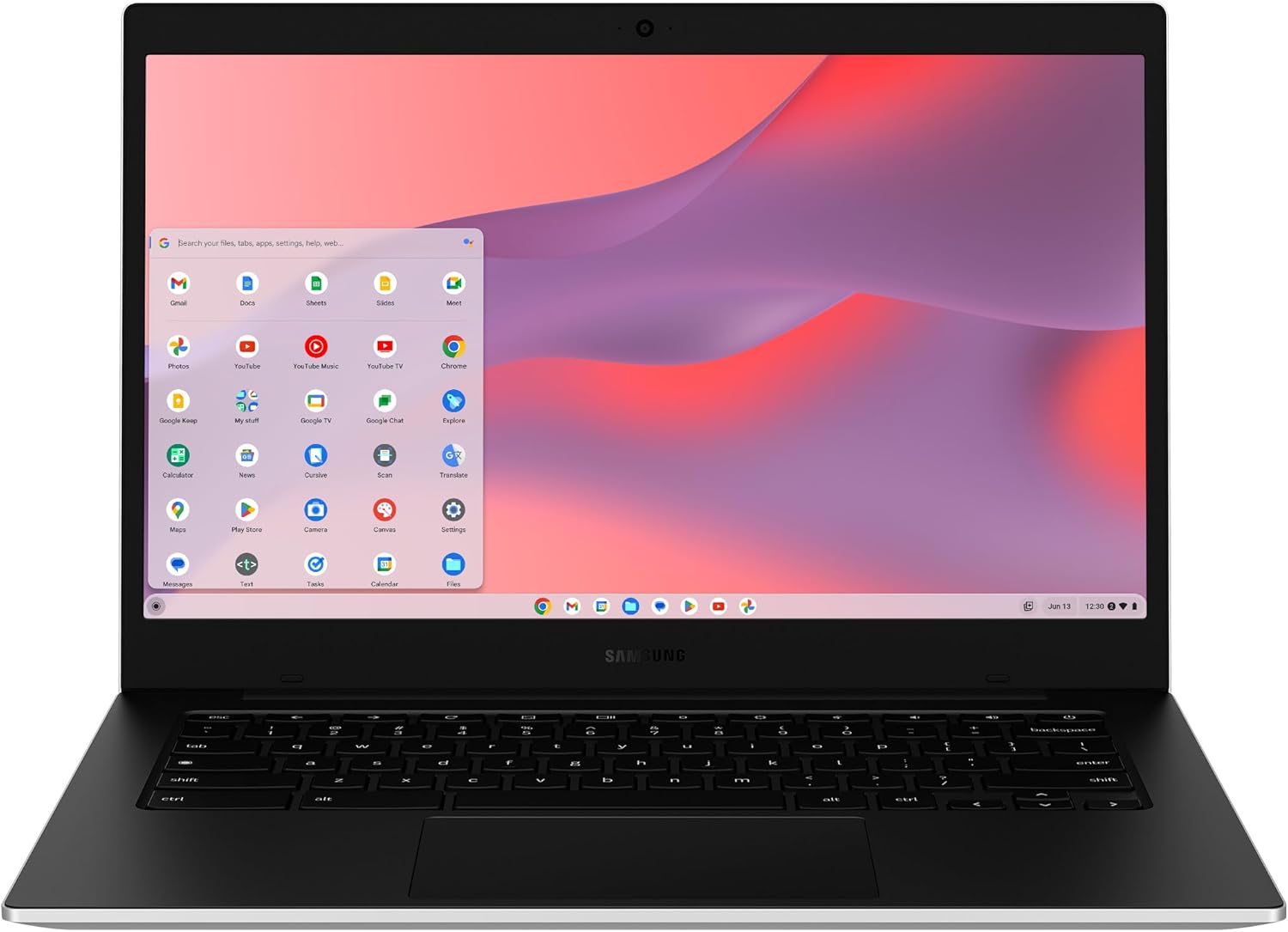
Samsung Galaxy Chromebook Go
The 14-inch display strikes a nice balance between usability and portability. It’s large enough to comfortably work on documents, browse the web, or attend video meetings, but still lightweight enough to move easily from room to room. This makes it especially useful for shared households, students, or anyone who wants a “grab-and-go” laptop that doesn’t feel bulky or fragile.
Battery life is another quiet win. With up to 12 hours of use, this Chromebook can easily get through a full day of classes, work sessions, or errands, without constantly hunting for an outlet. That’s one less thing to think about, which is often the difference between using a device daily and letting it collect dust.
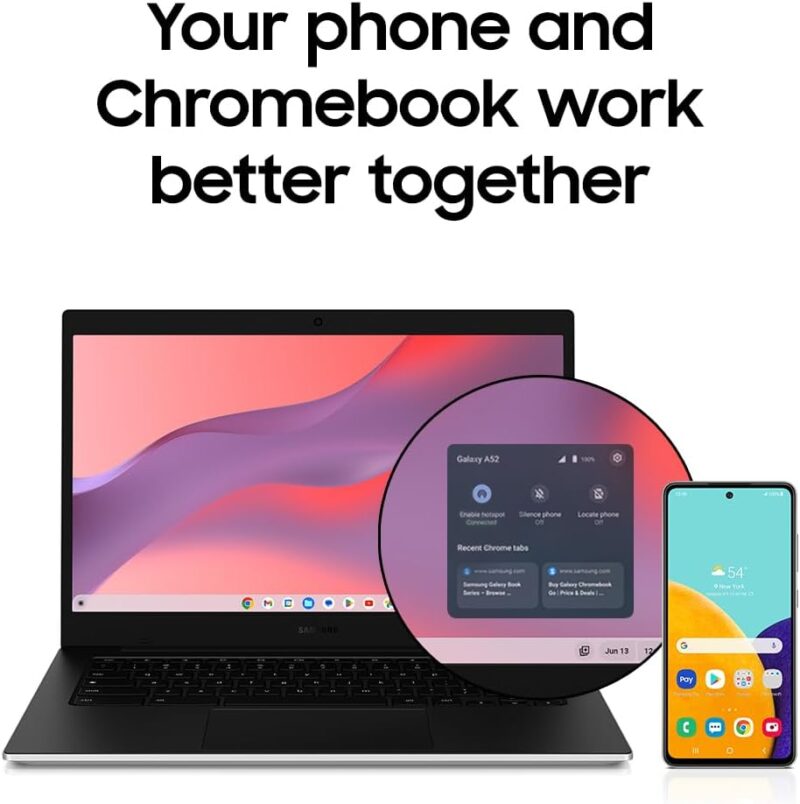
Because it’s built around Google’s ecosystem, everything syncs seamlessly if you already use Gmail, Google Docs, Google Calendar, or Google Drive. Files are always backed up, switching devices is painless, and there’s no learning curve. It feels familiar almost immediately, which makes it easier to stick with it if your New Year’s goal is consistency.
What really makes this deal stand out is the price. Right now, the Samsung Galaxy Chromebook Go is $129.99, down from $299.99 — a massive discount for a new, reliable laptop. At this price, it makes sense as a primary device for basic tasks, a shared family computer, a student laptop, or even a secondary machine that lives in your kitchen or travels in your travel bag.
Not every New Year upgrade needs to be flashy. Sometimes the most helpful changes are the ones that quietly remove friction from your day. If you’re looking for a simple, affordable laptop that helps you start the year organized without overthinking it, this Chromebook fits that goal perfectly.
Samsung Galaxy Chromebook Go – Now $129.99; Save $170 (57%)
Make Tech Easier may earn commission on products purchased through our links, which supports the work we do for our readers.