
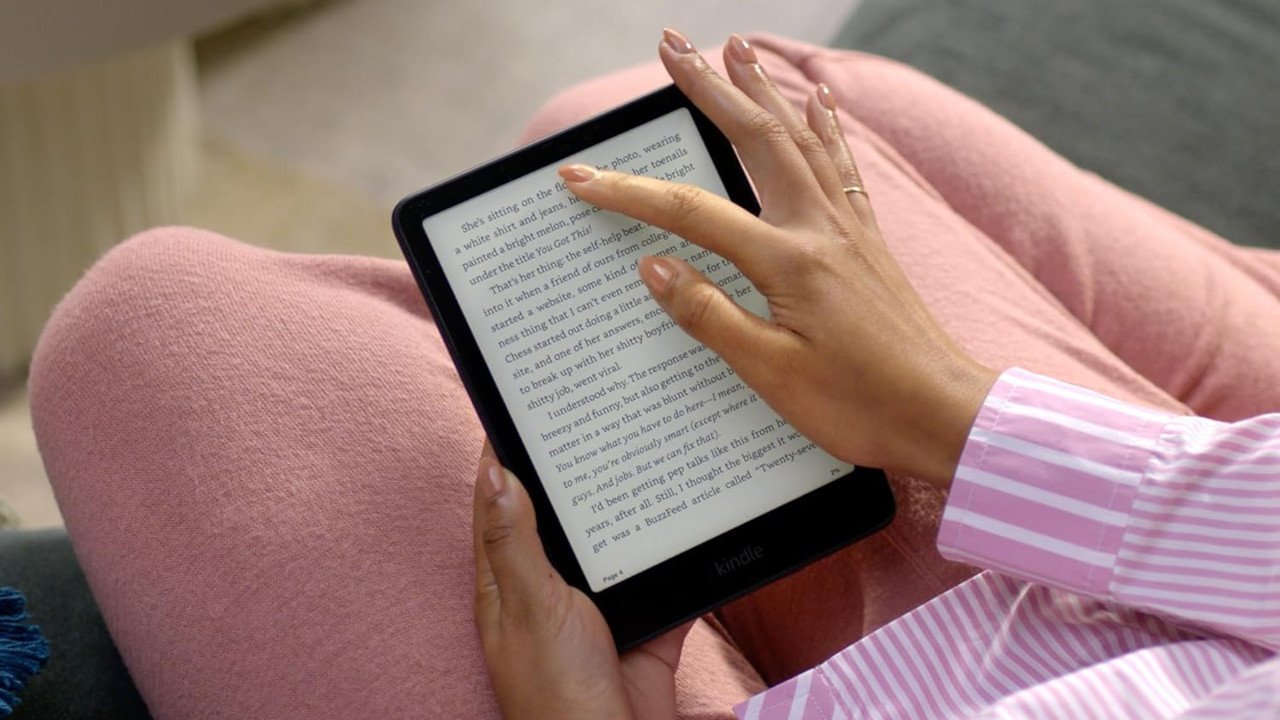

One of my goals for the new year is simple on paper but harder in real life: read at least 10 books. Not skim articles, not listen to audiobooks while multitasking — actually sit down and read. And if I’m being honest, part of why I haven’t hit that goal in the past is friction (not fiction). Finding the book, carrying it around, and remembering to pack it is a lot of work, and sometimes I feel too tired to deal with one more thing at the end of the day.
For years, I’ve been firmly in the “I prefer real books” camp. I like the feel of paper. I like seeing spines on a shelf. I’ve rolled my eyes at e-readers more than once. But the more I looked at my actual habits — reading in bed, reading while waiting in the car, reading during my lunch break — it became clear that the Kindle Paperwhite Signature Edition could solve more problems than it creates.
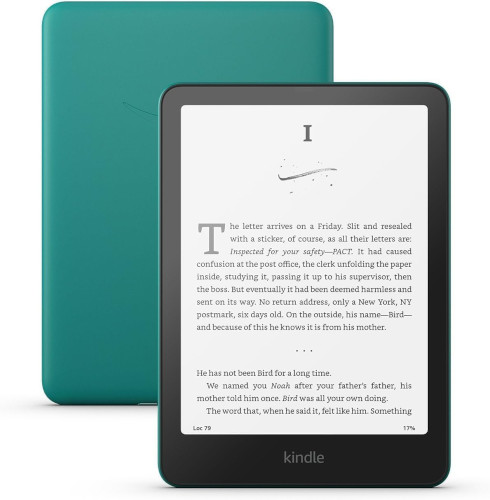
The biggest one? Making reading easier to start. The Paperwhite is thin, lightweight, and easy to grab with one hand. There’s no decision fatigue about which book to bring or whether it’s worth carrying around. Thousands of books can live on one device, and I can pick up exactly where I left off without thinking about it. That alone removes one of my biggest excuses.
Then there’s the screen. This is where my skepticism really softened. The 7-inch Paperwhite display doesn’t feel like reading on a tablet or phone. It’s glare-free, easy on the eyes, and has an auto-adjusting front light that changes based on the room you’re in. For someone who reads in short bursts throughout the day, that matters more than I expected.
Kindle Paperwhite Signature Edition
Battery life is another reason this feels like a realistic habit-builder instead of just another gadget. We’re talking weeks, not days. I don’t have to remember to charge it every night, which means it doesn’t quietly die and get forgotten in a drawer. It’s there when I want it, which makes it far more likely I’ll actually use it.
One feature I didn’t initially think I’d care about but now see as a huge plus is the lack of distractions. There are no notifications, no social media apps, no emails popping up. When you open the Kindle, you read. That’s it. In a world where everything competes for attention, having a device that does one thing well feels oddly refreshing.
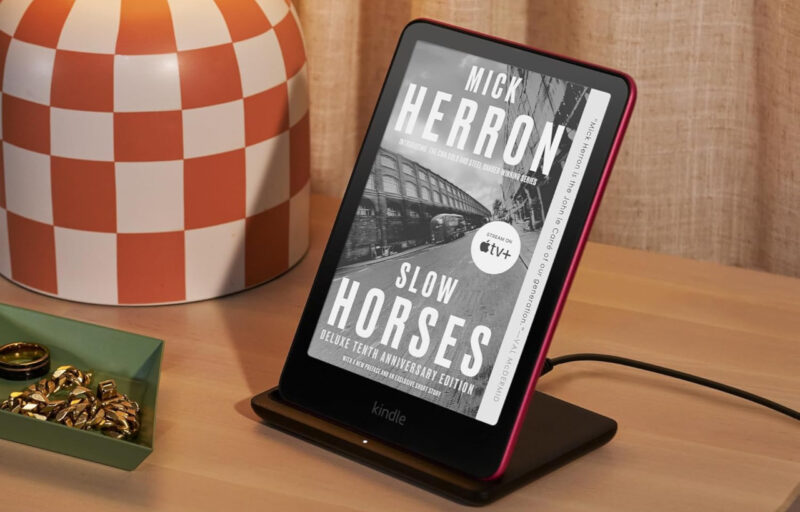
Having an Amazon Prime subscription also makes the Kindle more appealing. Prime members get access to a rotating selection of free eBooks, magazines, and more, which lowers the barrier to starting something new. If I don’t love a book, I haven’t wasted money— or shelf space. And if I do love it, I can keep going without interruption.
I’m also thinking practically: physical books take up space, and my “to-read” pile tends to turn into clutter. The Kindle lets me keep my reading goals organized without adding to the chaos.
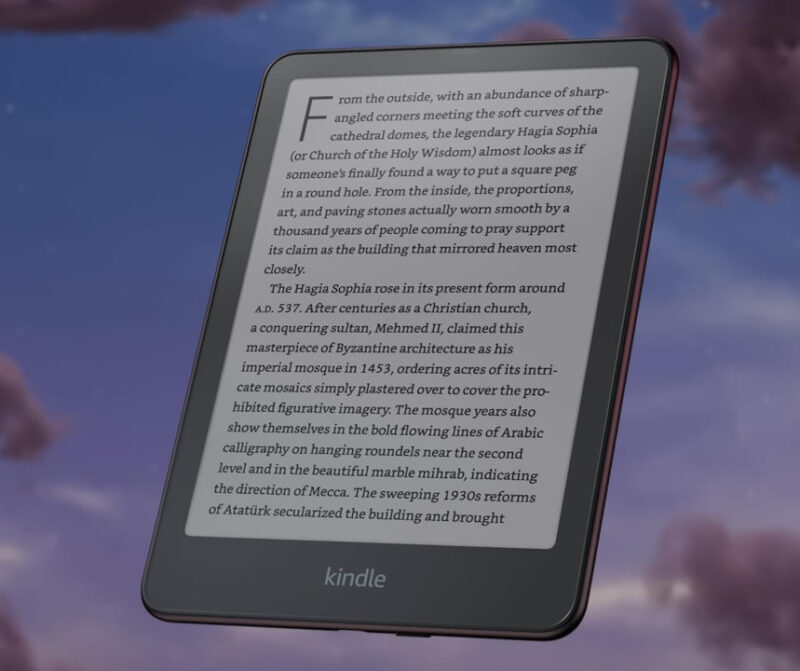
Right now, the Kindle Paperwhite Signature Edition is on sale for $159.99, down from $199.99, which makes this feel like a smart time to give it a real shot. I’m not pretending it will magically turn me into someone who reads non-stop — but it does remove many of the small, annoying barriers that have held me back.
If you’ve been setting reading goals and quietly ignoring them year after year, or if you’ve been skeptical of e-readers but know your current system isn’t working, this could be the device that changes your mind, just like it did mine.
Kindle Paperwhite Signature Edition — Now $159.99. Save $40 (20%).
Make Tech Easier may earn commission on products purchased through our links, which supports the work we do for our readers.