


Christmas comes and goes, and sometimes you realize there was one thing you quietly hoped would show up under the tree — but didn’t. For many people, that thing is a smartwatch. If you’ve been thinking about upgrading or buying your first one, the Apple Watch Series 11 feels like a rare post-holiday moment where treating yourself actually makes sense.
The Series 11 builds on what Apple does best: making technology feel less like a gadget and more like something that quietly fits into your daily routine. It’s not just about tracking workouts or checking the time — it’s about small conveniences that add up over the course of a day.
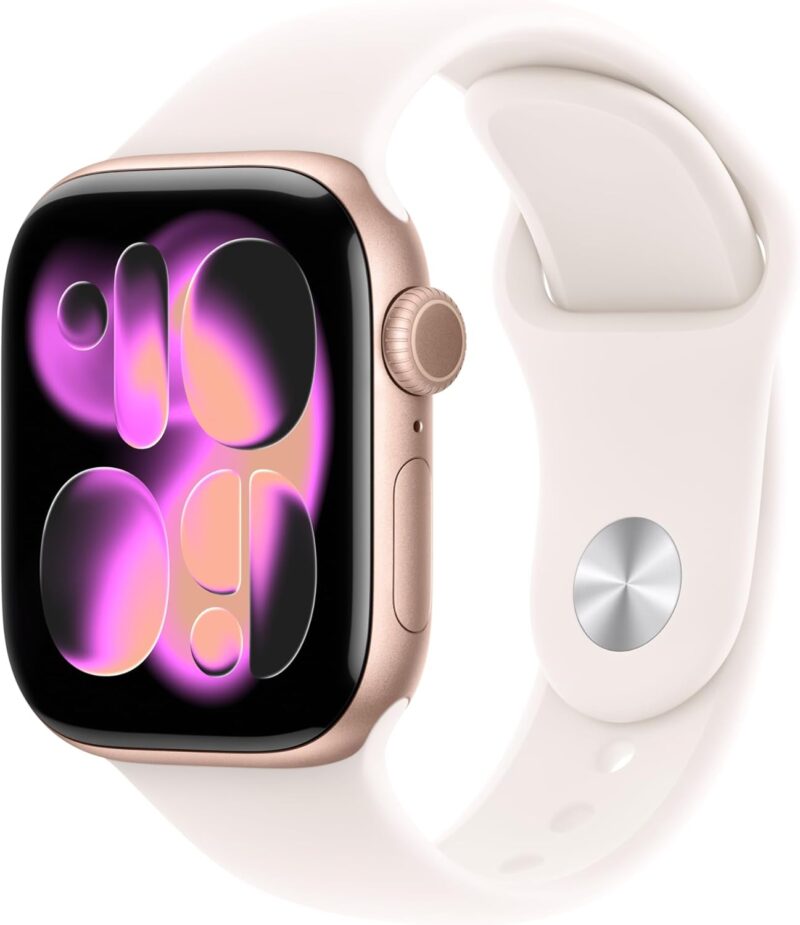
One of the biggest reasons the Apple Watch works so well is its seamless connection to your iPhone. Notifications show up without pulling your phone out of your pocket, calendar reminders tap your wrist so you don’t miss them, and messages are easy to glance at when your phone is on silent. It’s the kind of thing that doesn’t feel essential until you have it — and then it’s hard to go back.
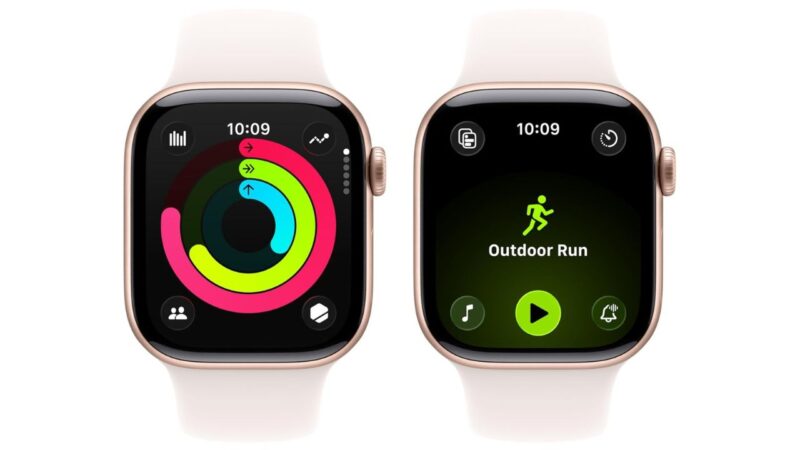
Fitness and health tracking are another area where the Series 11 shines. Whether you walk a lot, are trying to move more during the workday, or want a clearer picture of your activity, the watch makes it effortless. Steps, workouts, heart rate, and sleep data all run in the background without you needing to think about it. The reminders to move can be surprisingly helpful, especially if you work remotely or tend to get absorbed in what you’re doing and forget to stand up.
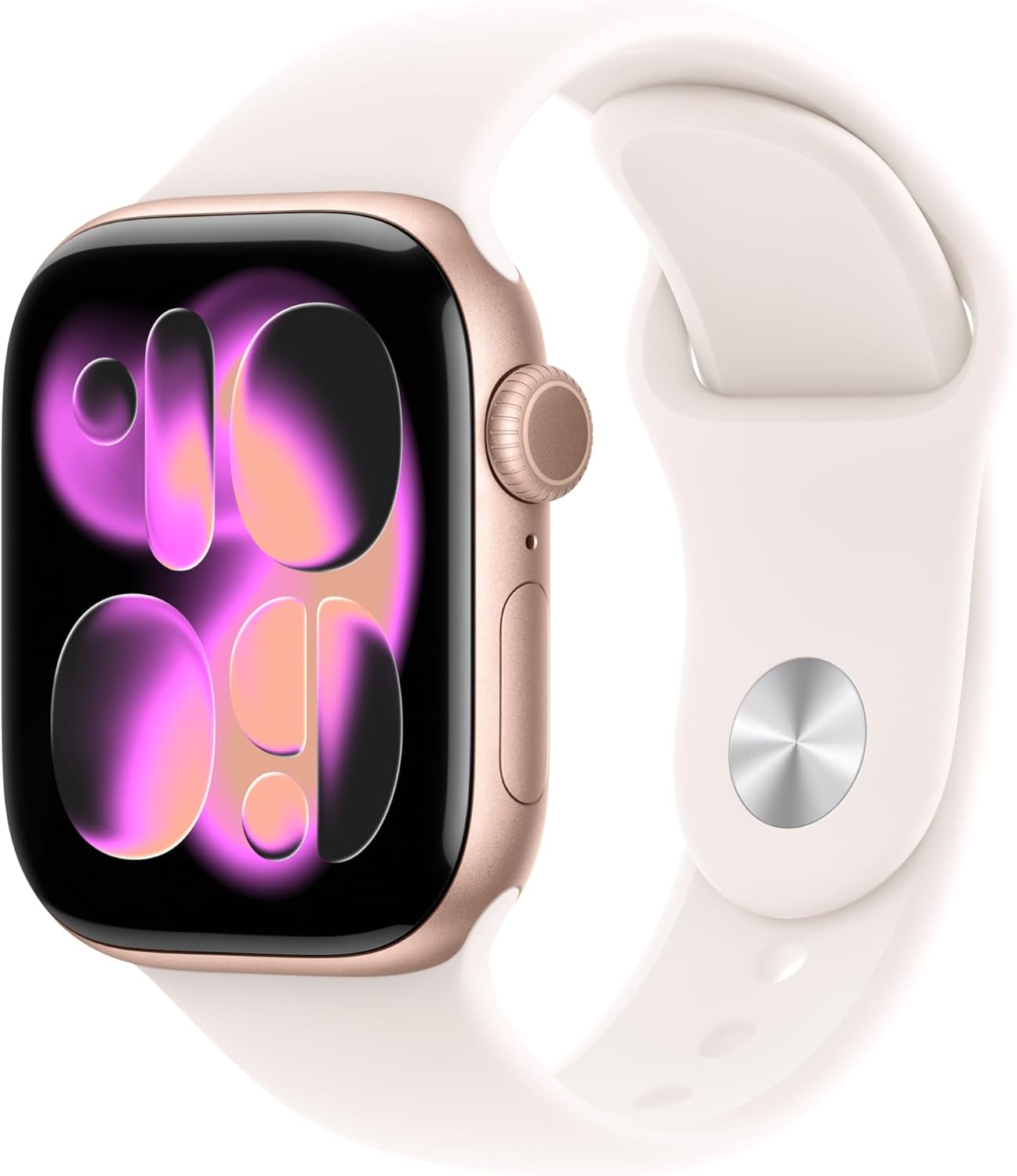
Apple Watch Series 11
Sleep tracking is also a quiet standout. Seeing how long you actually sleep — and how consistent that sleep is — can be eye-opening. It’s not about perfection, but about awareness, and the watch presents that information in a way that feels informative rather than overwhelming.
The always-on display makes a difference, too. You can glance at the time, your activity rings, or incoming notifications without lifting your wrist or tapping the screen, which makes the watch feel more natural and less like something you’re constantly “checking.”
Design-wise, the Apple Watch Series 11 keeps things clean and versatile. It’s lightweight, comfortable for all-day wear, and water-resistant, so you don’t have to think twice about wearing it while washing dishes, working out, or getting caught in the rain. It works just as well-dressed up as it does at the gym.
Right now, the Apple Watch Series 11 is $100 off, bringing the price down to $299. That makes this one of those rare moments where buying yourself something feels practical. If you didn’t get a smartwatch for Christmas but have been thinking about one all year, this is a solid opportunity to make the upgrade.
Sometimes the best gift isn’t the one someone else picked — it’s the one you finally decide to get for yourself.
Apple Watch Series 11 — Now $299.99; Save $100 (25%)
Make Tech Easier may earn commission on products purchased through our links, which supports the work we do for our readers.