
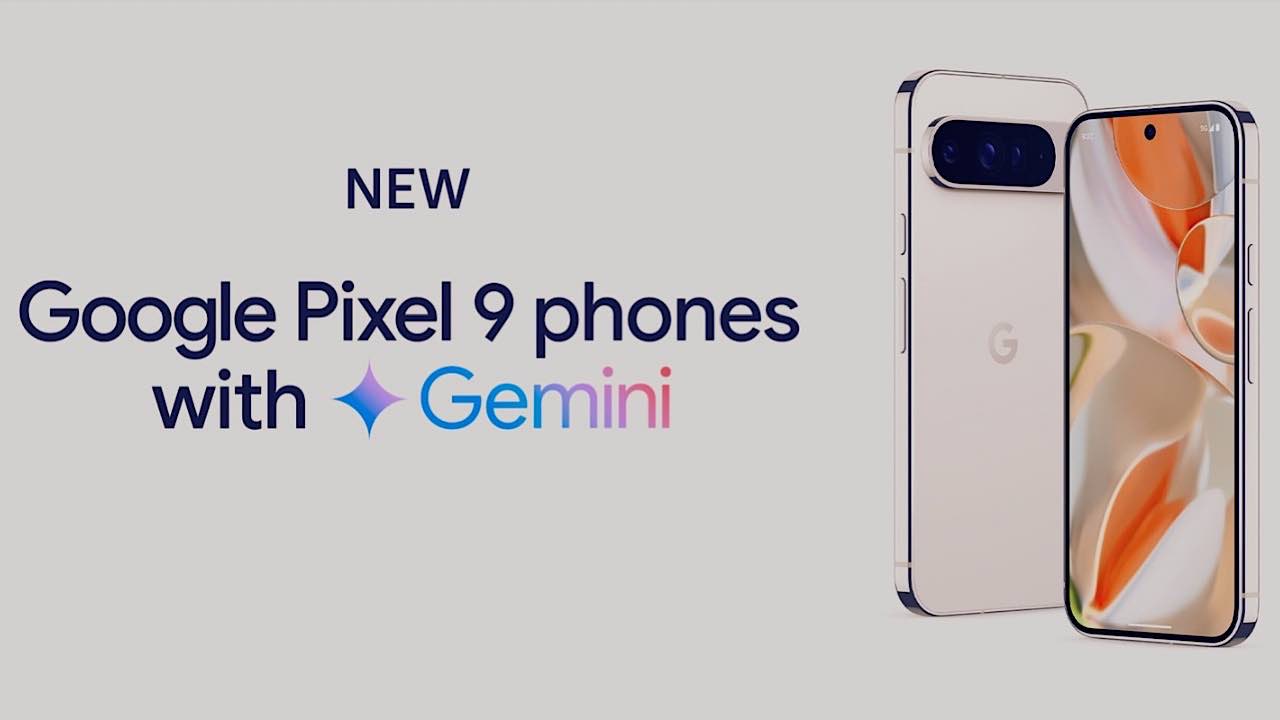

Google beat Apple to the punch. While Apple is widely expected to release new iPhones and Apple Watches next month, Google jumped in ahead of them, introducing the Pixel 9 series of phones and a new Pixel Watch and Pixel Buds Pro, as well as changes to Gemini at the Made by Google event.
The Pixel 9 Smartphone Series
The cornerstone of the Made by Google event is the Google Pixel 9 series. It includes four smartphones for the first time: the Pixel 9, Pixel 9 Pro, Pixel 9 Pro XL, and Pixel 9 Pro Fold. Whatever you’re looking for in a smartphone, you’ll find it in one of these Pixels.
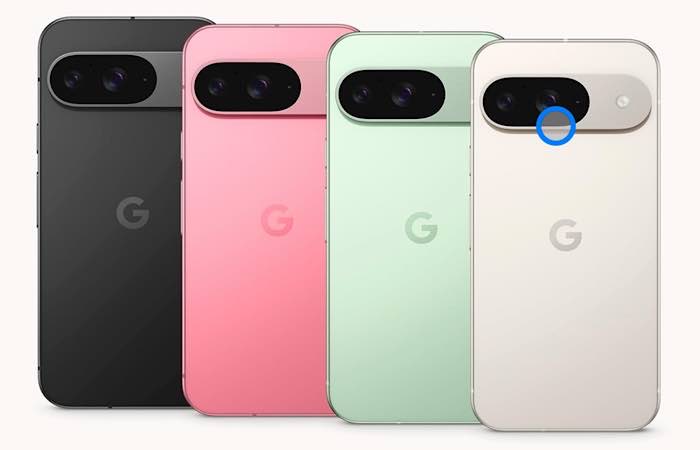
The most important feature in the Pixel 9 series is the upgraded camera system. The two Pro models have the pro triple rear camera system with an upgraded 48MP 5x telephone lens, allowing sharper images in autofocus, even if you’re in low light. Additionally, they both have a new 42 MP front camera for sharper images. This is the phone you’ll want for those wide lens group selfies. They also have 20x Super Res Zoom in Night Sight Video and Video Boost, for great concert footage, no matter where you’re sitting.
The Pixel 9 Pro Fold has an ultra-thin camera system for better folding options and can take selfies – whether folded or open. The Pixel 9 has the same cameras as the two Pros, with the ultrawide lens getting 110% more light. You’ll get clear photos, even as close as two centimeters.
In a stunning bit of AR, the Add Me feature allows photographers to get into the shot too. Take a photo, then switch places with someone in the photo, and augmented reality will merge the photos so that everyone is in the photo. Did you shoot it off-center? It’s okay, as Auto Frame will use AI to reframe it and fill in the background where it needs to.
Pixel Watch 3
The newest feature to the Pixel Watch 3 is Loss of Pulse Detection. It’s especially helpful, as most likely, if you lose your pulse, you’ll be alone. By the time someone finds you, it will be too late. This feature will detect your loss of pulse and place a call to emergency services right away.
These events occur when your heart stops, so it can affect people of any age for a variety of reasons. It could be cardiac arrest, respiratory failure, overdose, etc. You have to admit, it brings a sigh of relief to know that if you’re ever caught in one of these incidents, if you’re wearing a Pixel Watch 3, it can notify the authorities. Loss of Pulse Detection is an opt-in feature.
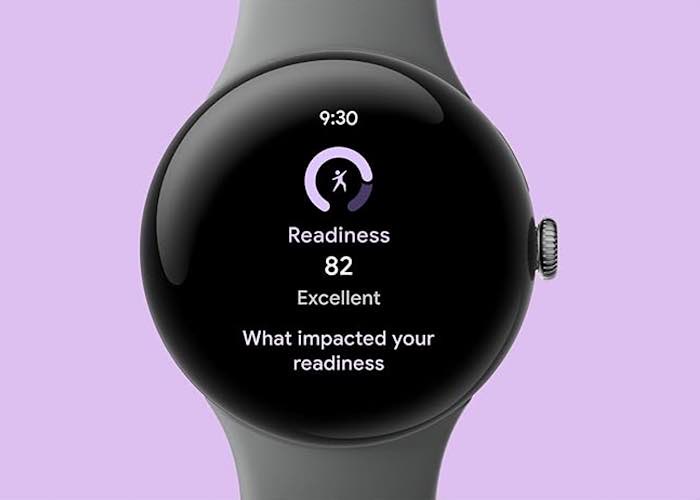
An improved algorithm, Daily Readiness, follows your body’s state of recovery with resting heart rate, heart rate variability, and sleep. It shows you how well your body will be able to undergo fitness training. There are also new tools for runners.
Pixel Buds Pro 2
The news Pixel earbuds have the all-new Tensor A1 chip to power them and provide great performance, Google AI, and noise cancellation. They’re now redesigned to have a better fit as well, thanks to being 24 percent lighter and 27 percent smaller, four sizes of eartips, and a twist-to-adjust stabilizer.
Good to know: learn about the best ChatGPT extensions for Google Chrome.
The Pixel Buds Pro 2 also work well with AI features, specifically Gemini. They can remind you of appointments, make music recommendations, and provide directions to public transit. Additionally, use Gemini Live to have a conversation with Gemini – even if your phone is in lock mode.
Just as it is with Apple and Samsung, AI is making a splash with Google. The feature is being integrated into everything. It seems like everything can be improved with a little AI. And when you have new devices that are built to take advantage of the AI, like the Pixel 9 and Samsung Galaxy lineups, and assumably the new iPhone lineup, it can make all the difference.