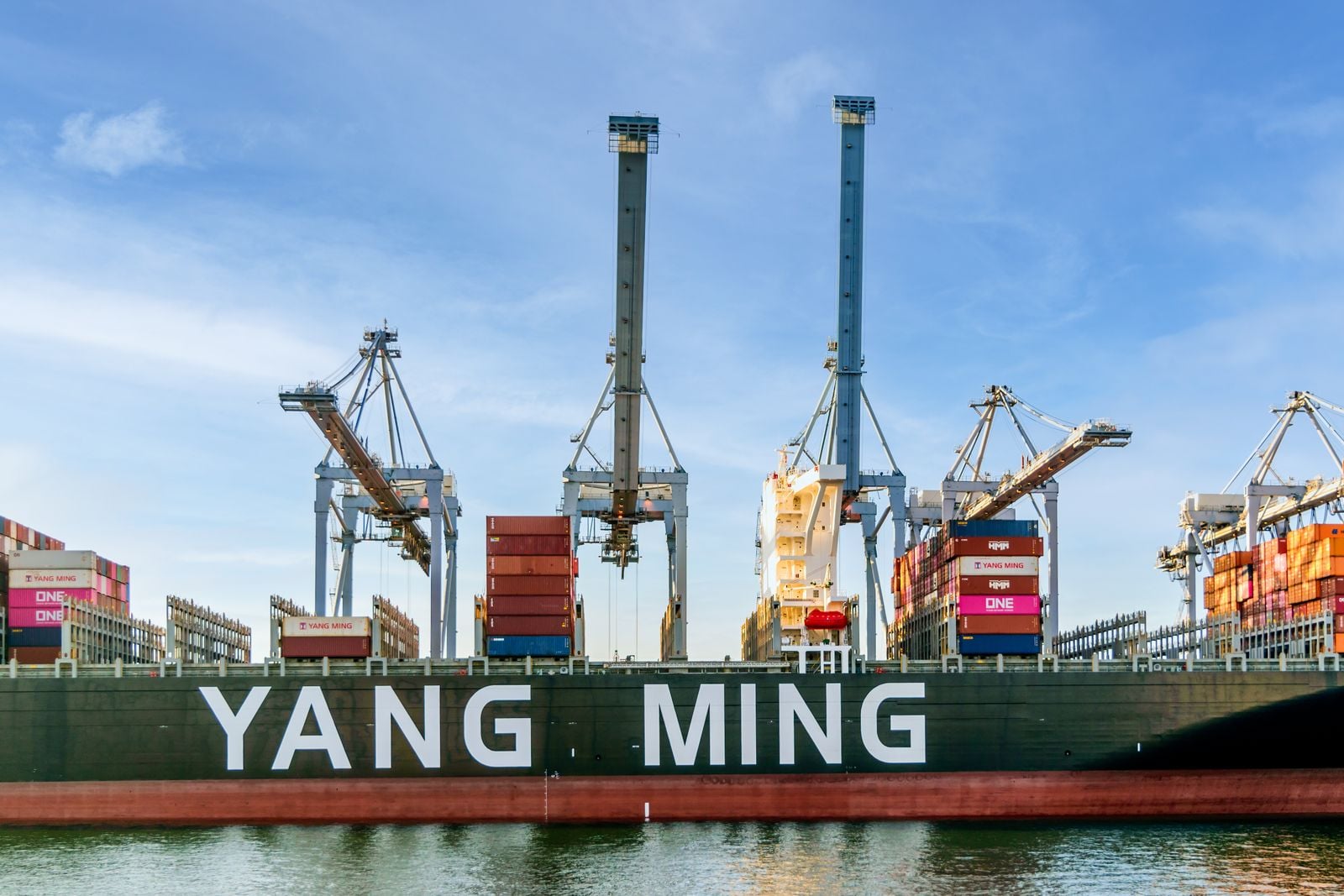
Internet Only about 60 ships in the world can fix a broken undersea cable — and two-thirds of the repair fleet will hit retirement age by 2040 without a $3 billion fix By Make Tech Easier Editorial · Sep 24, 2026
Computing Microsoft warns fake passkey setup requests are being used to compromise work accounts By Make Tech Easier Editorial · Sep 24, 2026
News Windows 11 24H2 Home and Pro editions reach end of updates on October 13, 2026 — here's what you must do By Make Tech Easier Editorial · Sep 24, 2026
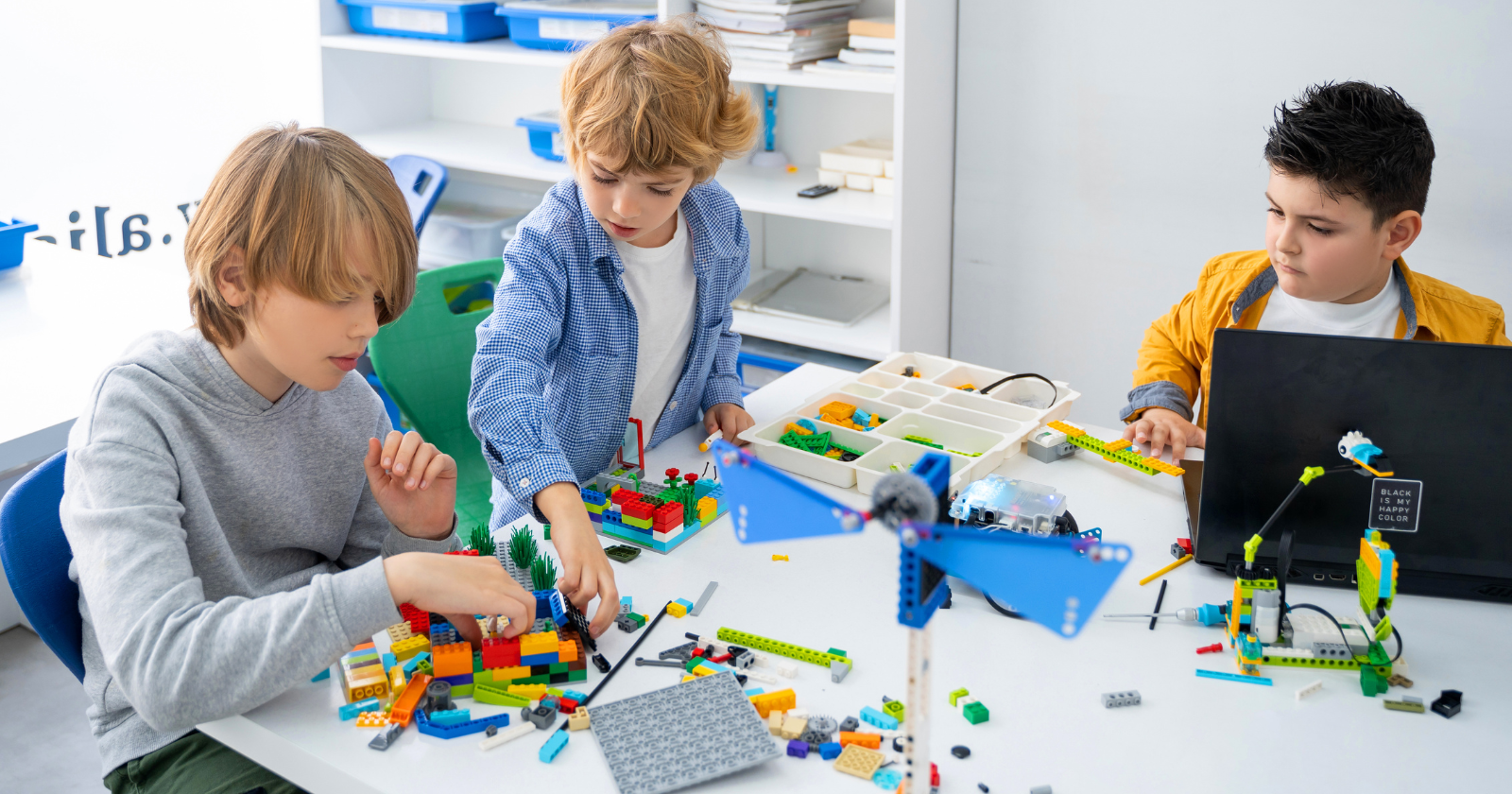
Tech Explained A 12-year-old in Silicon Valley asked his parents how blind people read, was told to go Google it, and built a braille printer from a $349 LEGO robotics kit at the kitchen table — the machines schools were buying cost $2,000, and Intel ended up putting venture money into a seventh-grader's company By Make Tech Easier Editorial · Sep 24, 2026
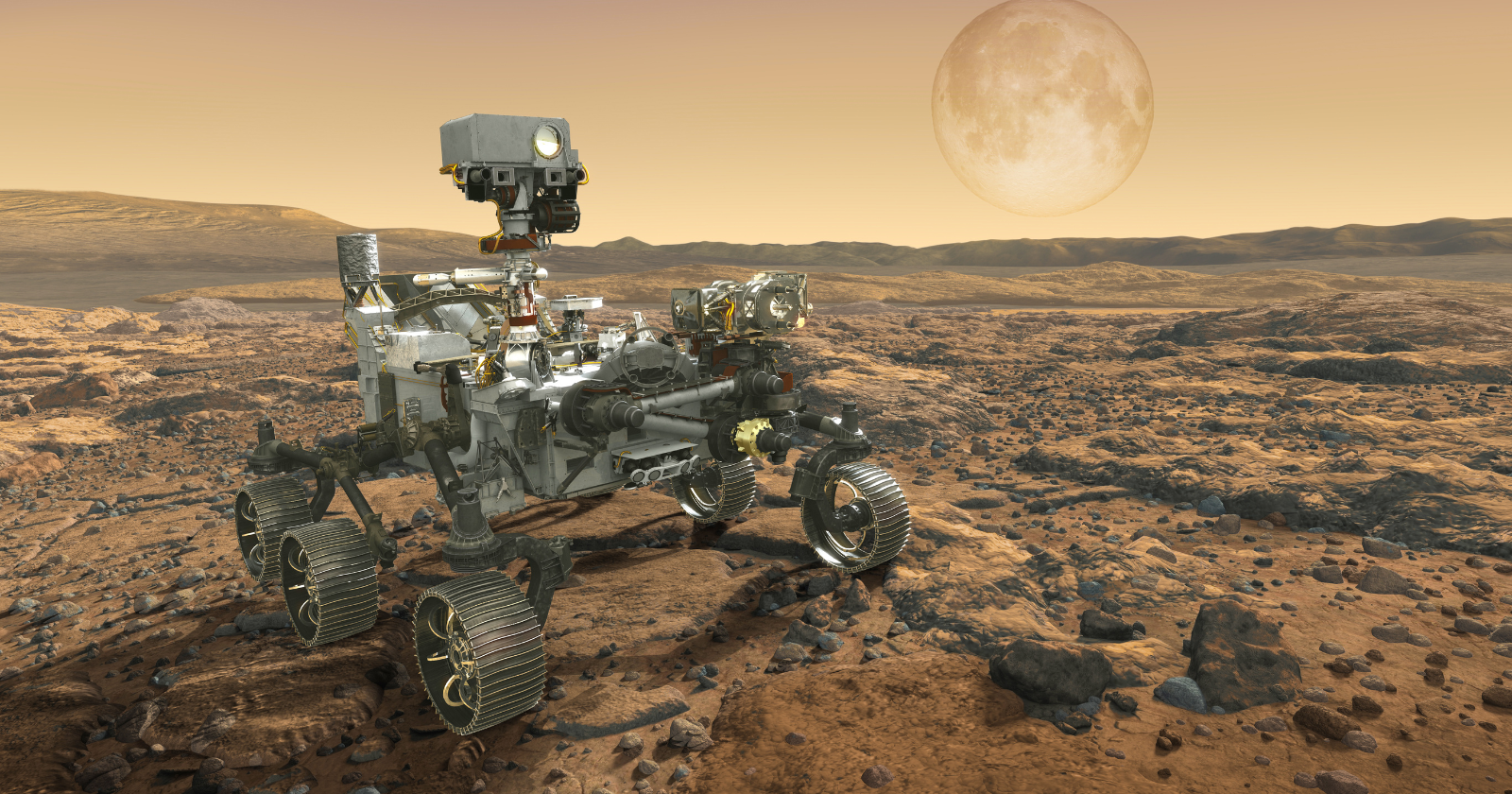
Computing The computer driving NASA's Perseverance rover across Mars is a $200,000 version of the chip from the 1998 iMac, running at 200 megahertz with a couple hundred megabytes of memory — because a processor that shrugs off a million rads of radiation matters more than speed By Make Tech Easier Editorial · Sep 24, 2026
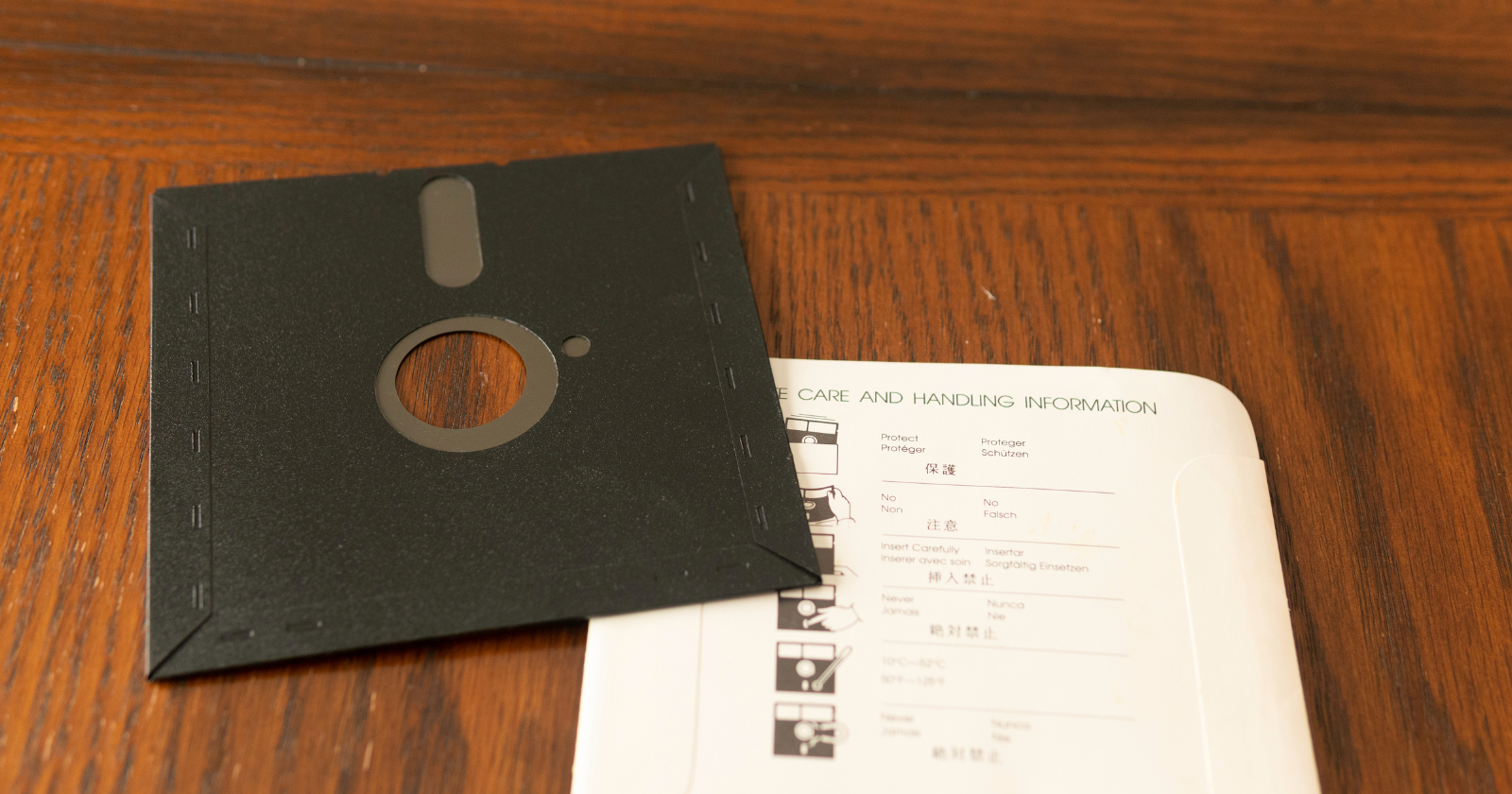
Computing Every morning in the city next door to Silicon Valley, staff load three 5.25-inch floppy disks to boot the computers that run San Francisco's subway trains — a 1998 system that moves data slower than dial-up, and replacing it is costing the city $212 million By Make Tech Easier Editorial · Sep 24, 2026
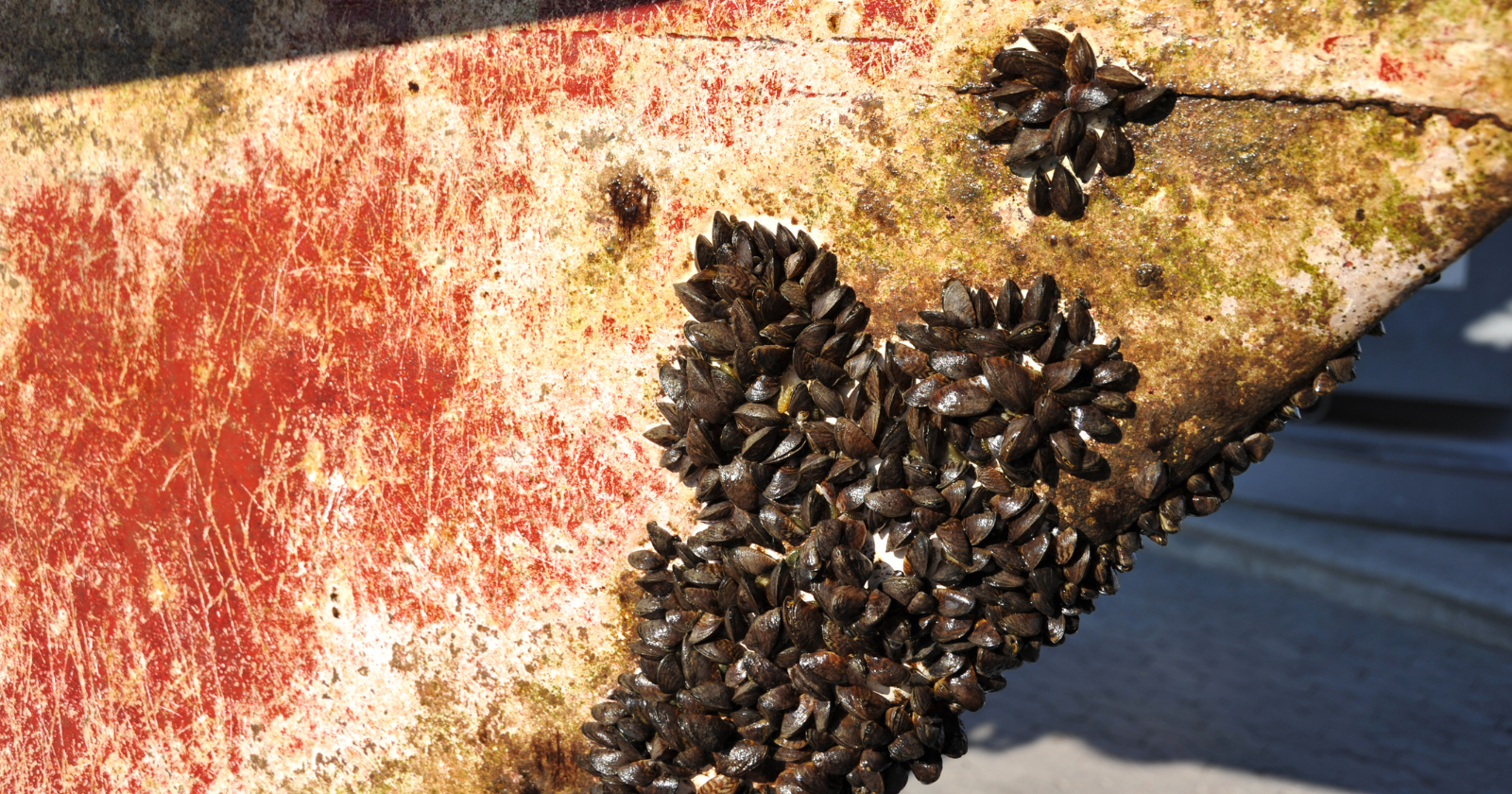
Computing Microsoft sealed hundreds of servers in a nitrogen-filled cylinder and sank it 117 feet to the seabed off Scotland's Orkney Islands in 2018, and when divers hauled it up two years later, crusted in barnacles, the machines had failed at one-eighth the rate of identical servers on land By Make Tech Easier Editorial · Sep 24, 2026
Tech Explained When you type bbc.com, the browser may trigger several invisible network exchanges: it asks a DNS resolver for the site's address, opens a TCP connection with three packets, negotiates encryption keys, and only then requests the page, with each uncached round trip adding delay By Make Tech Easier Editorial · Sep 22, 2026
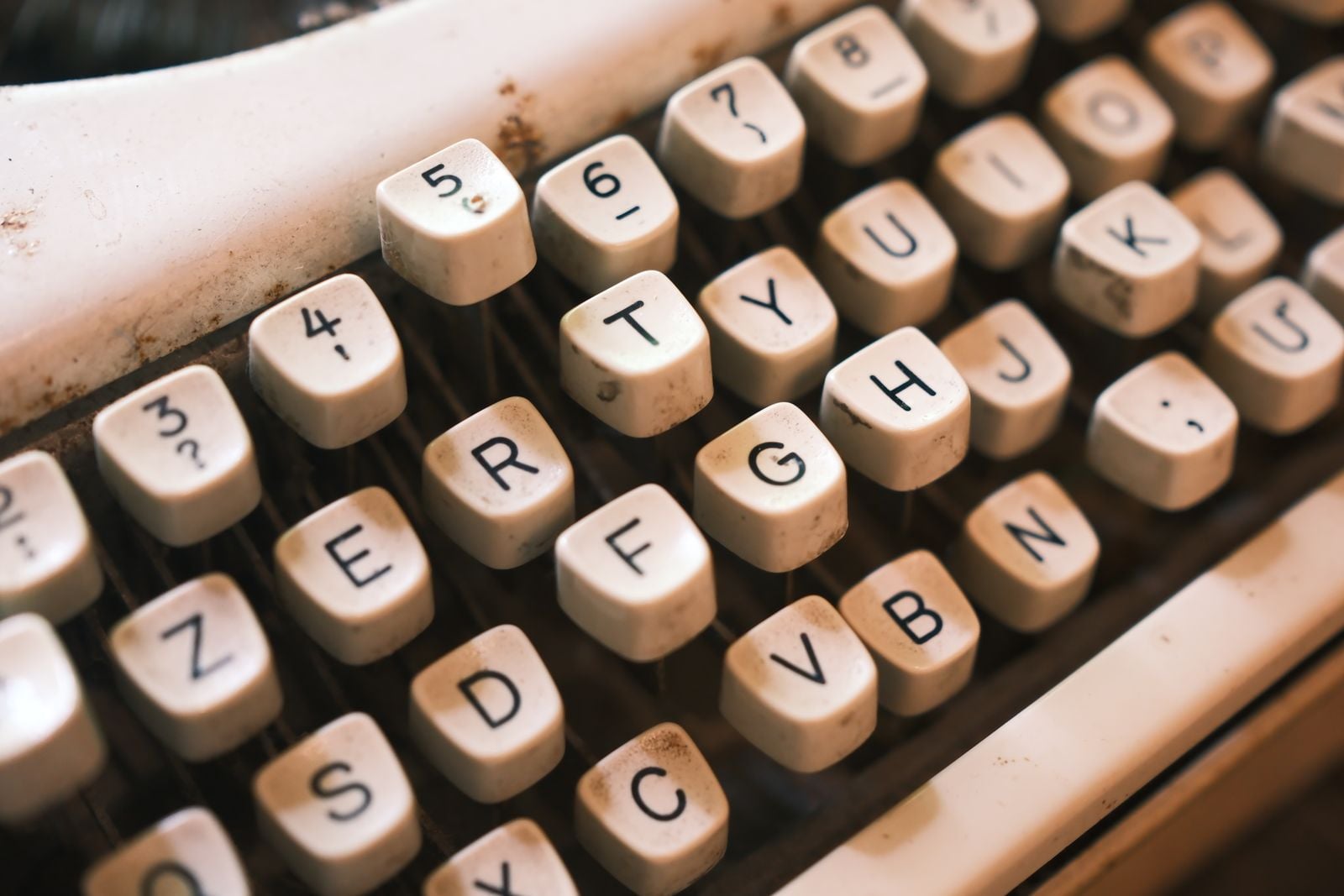
Tech Explained Christopher Latham Sholes, the printer and Wisconsin state senator who designed the QWERTY keyboard, was appointed Milwaukee's postmaster by Abraham Lincoln during the Civil War — he tinkered with a page-numbering machine on the job before turning to typewriters By Make Tech Easier Editorial · Sep 21, 2026
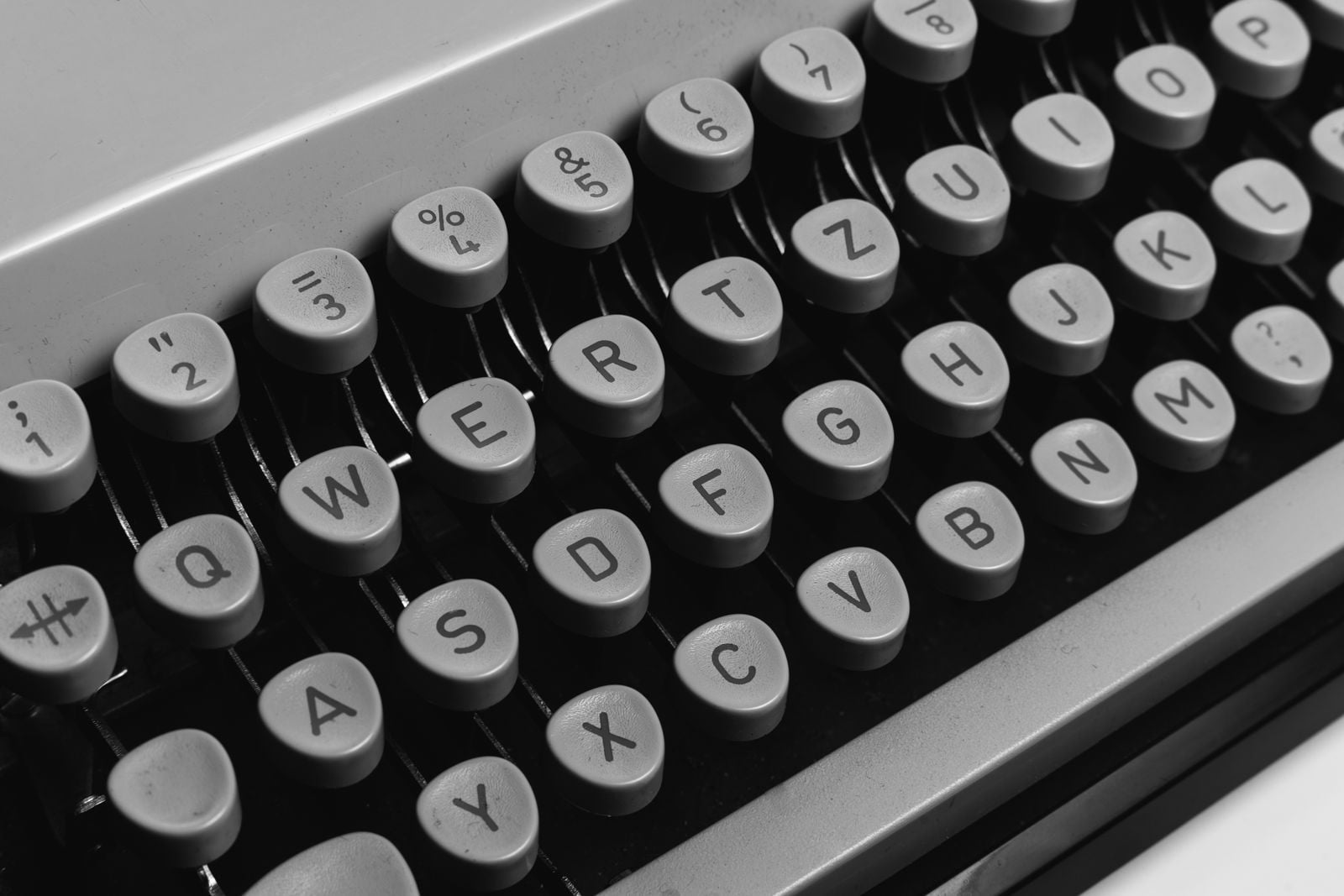
Tech Explained Why did the QWERTY keyboard, arranged in the 1870s to stop mechanical typebars from jamming, outlast every layout designed to beat it over the next 150 years? By Make Tech Easier Editorial · Sep 21, 2026
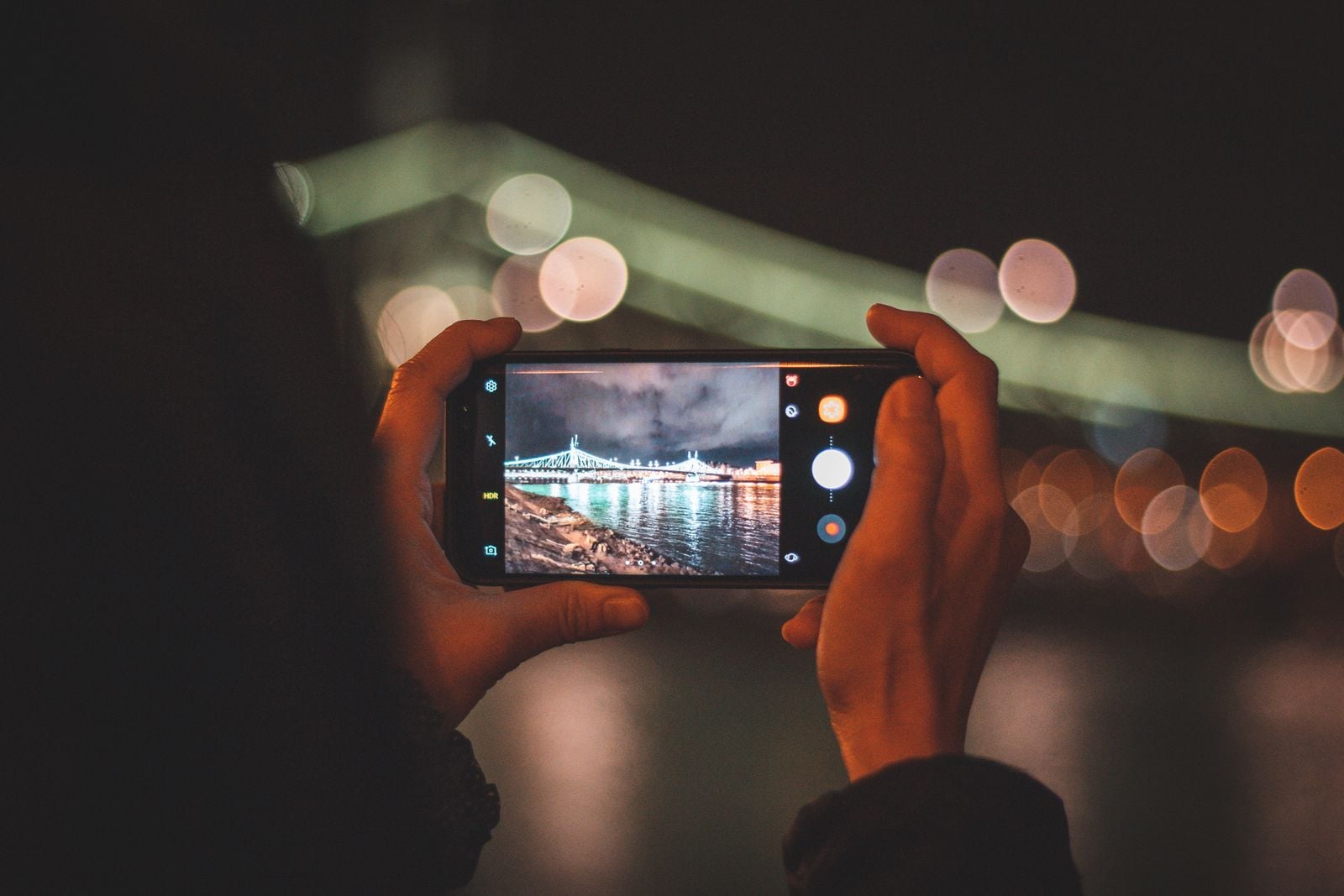
Tech Explained Pixel 3 Night Sight can capture a photo in near-darkness because it doesn't take one picture — it can take up to 15 short exposures, align them with sub-pixel precision and average down the noise while the phone keeps collecting light after you press the shutter By Make Tech Easier Editorial · Sep 18, 2026
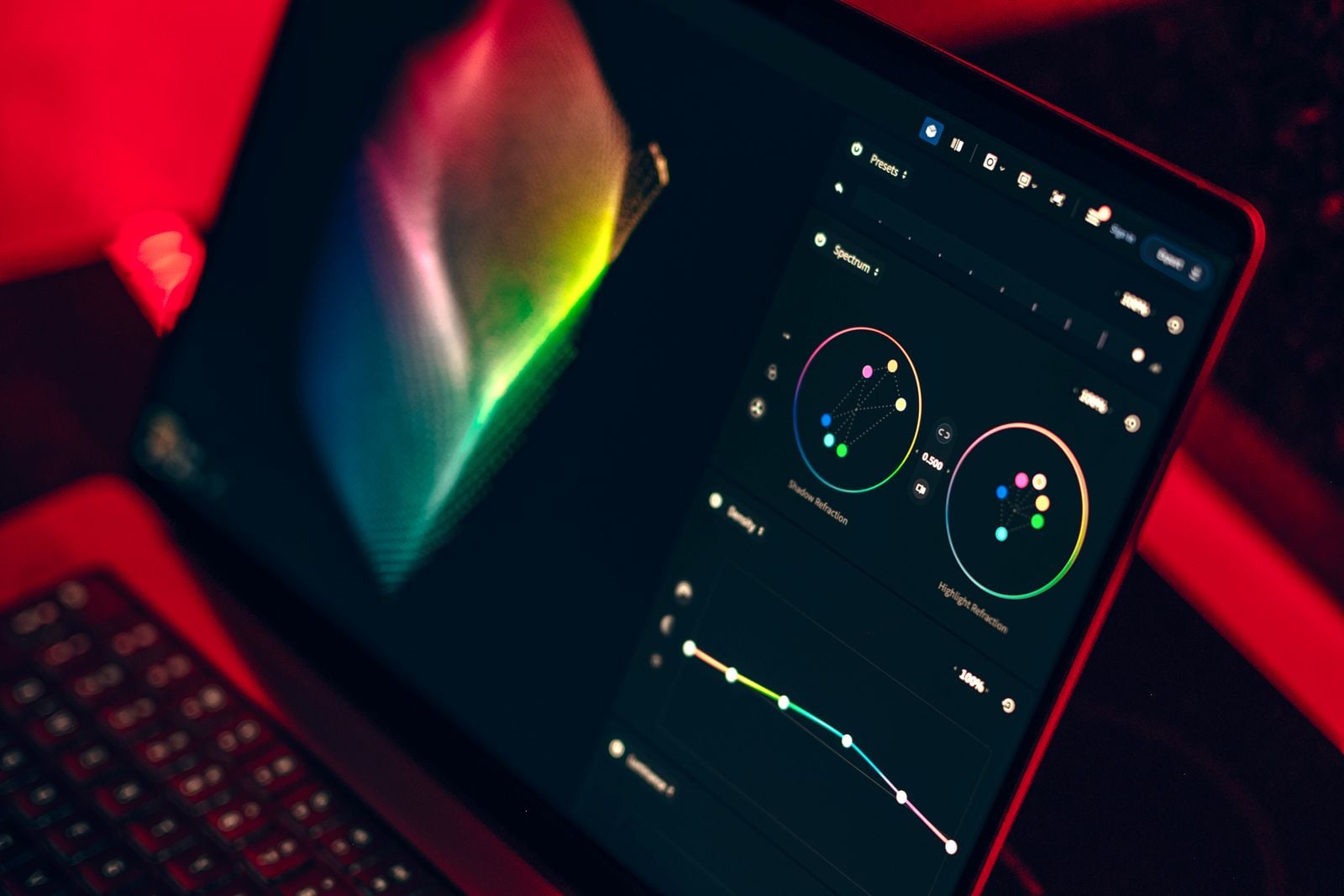
Tech Explained Screens use red, green and blue because human retinas carry only three types of colour-sensing cones, tuned near those wavelengths — a display isn't reproducing colour, it's tricking three specific proteins in your eye into firing in the right ratio By Make Tech Easier Editorial · Sep 17, 2026
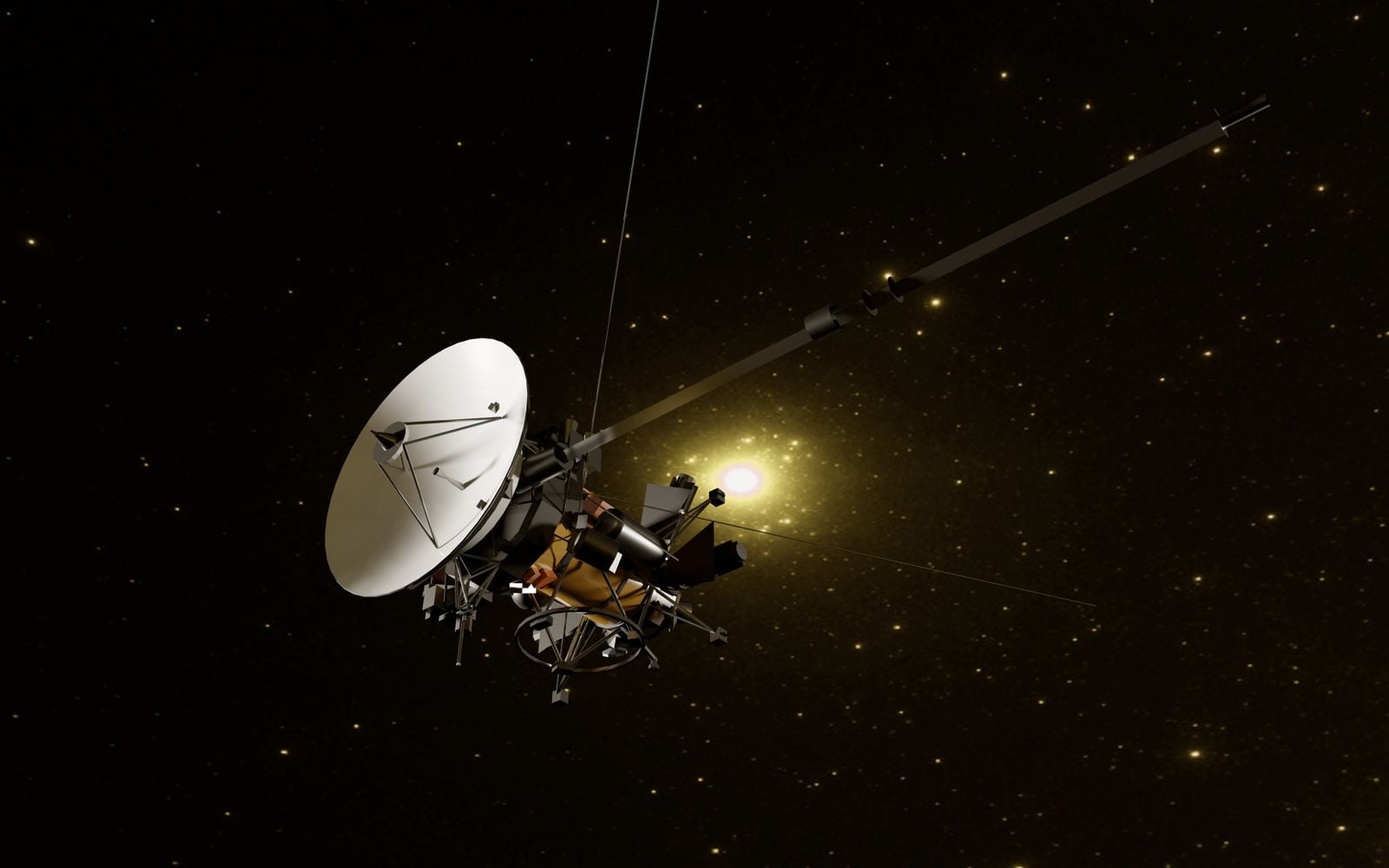
Tech Explained Voyager 1 is over 15.8 billion miles from Earth and its generators lose about four watts of power every year By Make Tech Easier Editorial · Sep 16, 2026
Tech Explained When you delete a file from a traditional hard drive, the operating system usually removes the pointer to it — the bytes themselves can sit undisturbed until something else writes over that patch of disk, which is why recovery tools can rebuild photos months later By Make Tech Easier Editorial · Sep 14, 2026
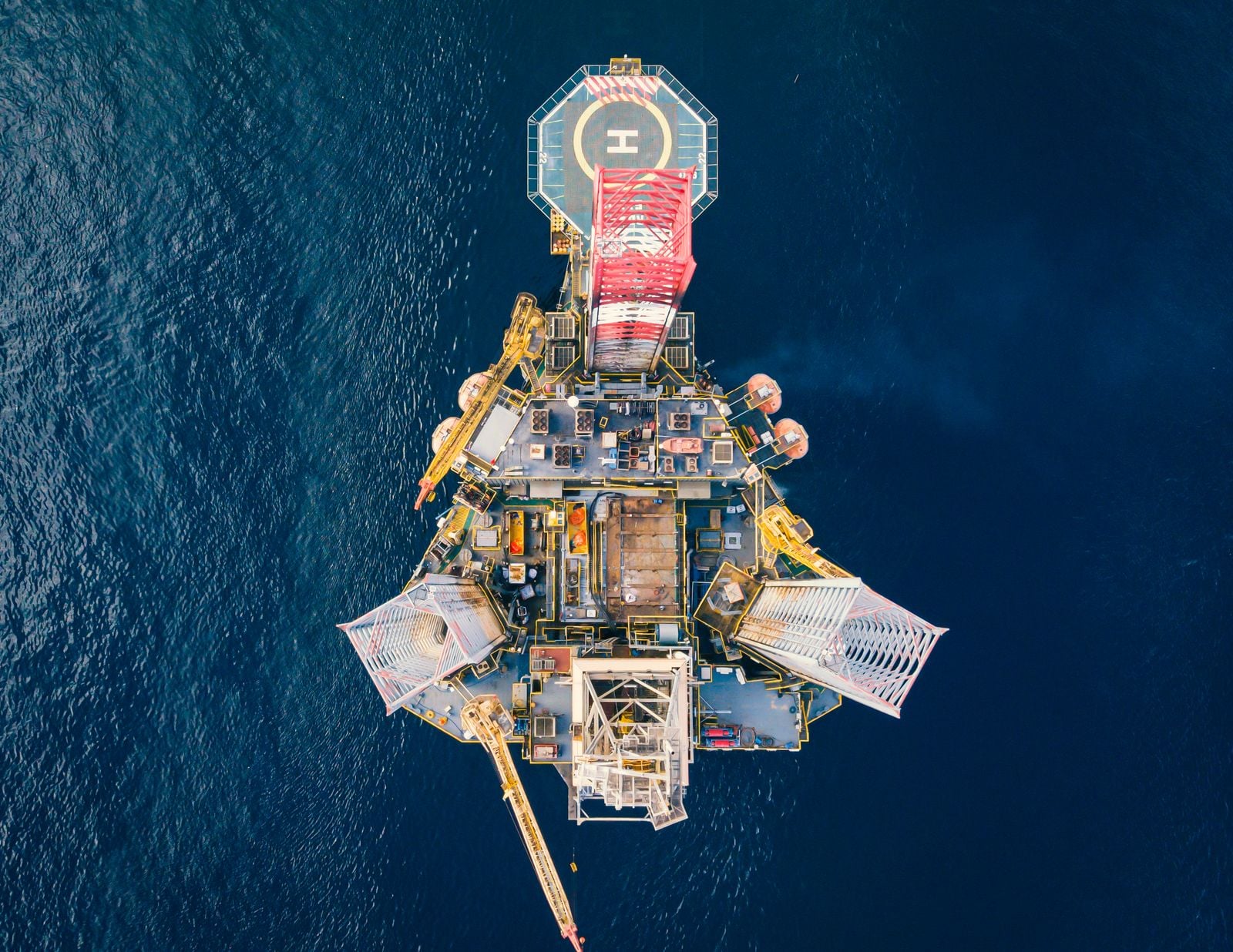
Tech Explained The Gulf Offshore Research Institute has been awarded $20 million to turn idle Gulf oil platforms into hubs for energy, minerals and aquaculture By Make Tech Easier Editorial · Sep 14, 2026
Tech Explained How did a metal box first secured to a converted tanker in April 1956 cut ocean freight loading costs by more than 90 per cent? By Make Tech Easier Editorial · Sep 10, 2026
Tech Explained In December 2014, Google introduced a reCAPTCHA checkbox that let many users skip distorted letters while the system weighed browser characteristics and a Google tracking cookie before deciding whether to show another challenge By Make Tech Easier Editorial · Sep 9, 2026
Tech Explained Microsoft didn't just stop shipping Flash with Windows 10 — in February 2021 it began silently force-installing update KB4577586, which scrubs the player from the operating system itself, with the rollout finishing across most Windows machines by July 2021 By Make Tech Easier Editorial · Sep 8, 2026
Tech Explained A phone knows which way is up because a silicon chip smaller than a grain of rice contains tiny cantilever beams that physically bend under gravity, and the circuit measures how far they flex in three axes thousands of times a second By Make Tech Easier Editorial · Sep 7, 2026
Tech Explained The first GIF ever made was a picture of an airplane — Stephen Wilhite told the New York Times in 2013 that he 'saw the format I wanted in my head and then I started programming', and insisted the pronunciation was a soft G, like Jif peanut butter By Make Tech Easier Editorial · Sep 7, 2026