
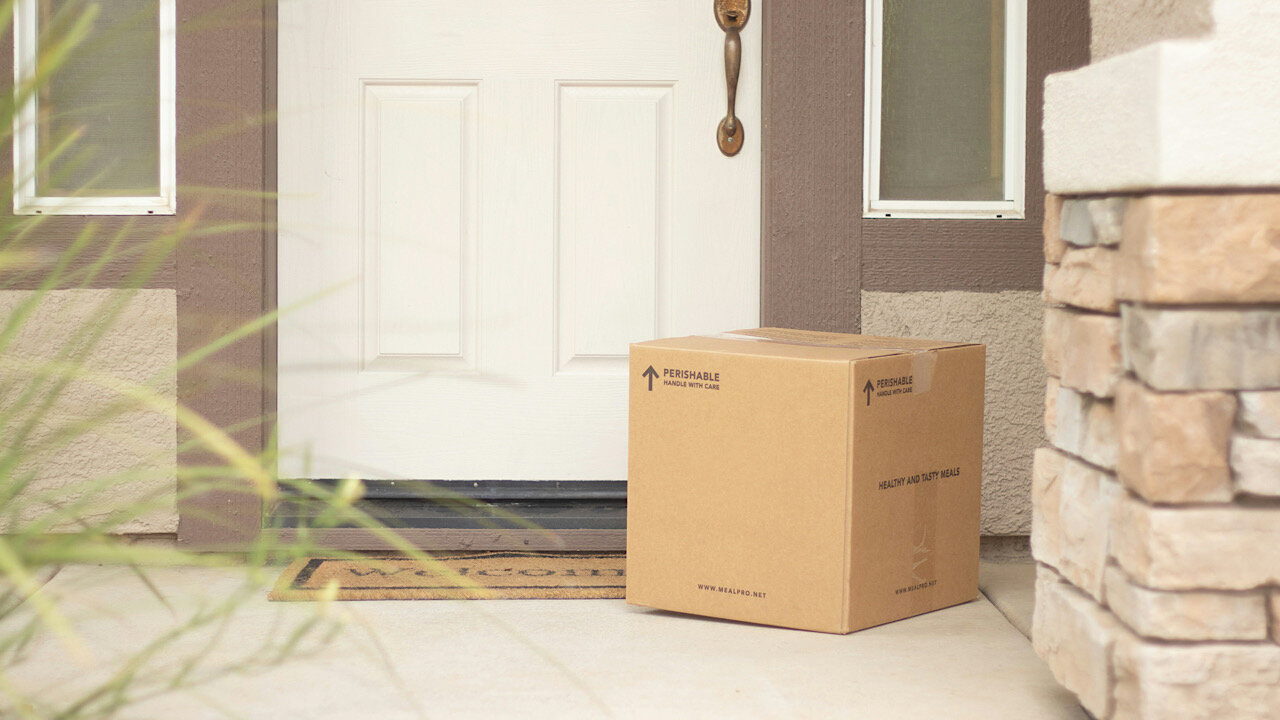

You’re not alone if you’ve received one of the “your package cannot be delivered” text messages – or even if you’ve received several. They’re all fake, and even if you know they are, it’s still tempting to click the link, as … what if it’s not fake? It turns out the people who fall for the United States Postal Service (USPS) phishing sites are in the majority, so there’s no need to feel bad about it.
”Your Package Cannot Be Delivered” Phishing Text
It’s easy to fall for the USPS phishing text scam – especially if you’re a person who gets packages from Amazon and elsewhere delivered regularly. My household gets packages at least a few times a week, so it would be easy to see the message and think it was one of the packages I was waiting for.
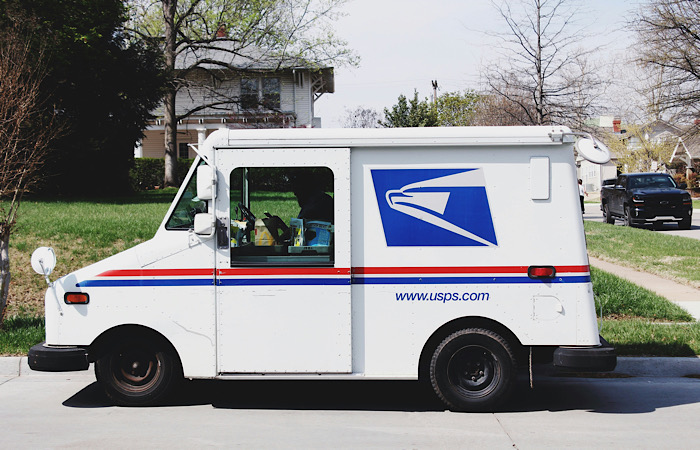
But instead of sending people to the USPS website, the “Your package cannot be delivered” text message sends them to a USPS phishing website. To balance out the messages, some of the sites can seem very realistic as well. It’s tempting to poke around there and get lost, then end up in deeper trouble. If you do get scammed, take these four steps.
USPS Phishing Text Too Believable
Again, you’re not alone if you have fallen for one (or more!) of the “Your package cannot be delivered” text messages. Akamai researched this after one of their team members received one of the messages. What they found was very surprising.
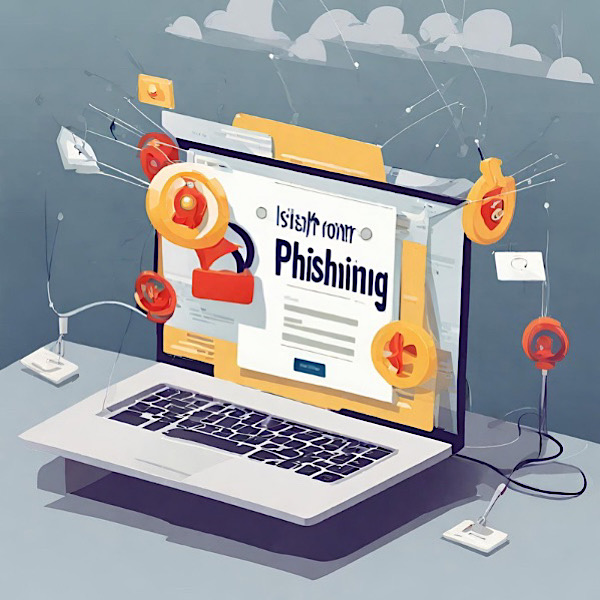
The traffic that the fake USPS sites get is nearly equal to the traffic that the real USPS site gets. That means there are nearly as many people clicking on that phishing text scam as there are landing on the real USPS site from Google and by organically typing it in. I’d say that’s a successful phishing campaign. And these weren’t all the phishing sites – just the ones that included “USPS” in the domain name.
Over a five-month period, the site with the most hits received 169,379 queries. That and another site were responsible for 29 percent of all the traffic observed by Akamai. This is referred to as “combosquatting,” where a popular brand name is used to make people pick up a familiarity and legitimacy in the sender of the text.
This was also during the holidays, when many people are rushed and querying package delivery services often. The traffic that one of the sites saw was from Thanksgiving through December 1. It’s assumed that the scammers were only sending the text messages during that particular week.
What Does This Mean for You?
Certainly, this means you need to be careful with the links you click in your text messages. If you don’t know the sender, even if it looks like a familiar brand name, don’t click on it. You have to ask yourself why the post office would be sending you text messages that explain, “your package cannot be delivered.” Any time the post office hasn’t been able to deliver something to me, they leave a note on my door with instructions on how to pick it up – they don’t text.
Have you received a phishing email instead? Learn ho to spot and avoid those. Networking site LinkedIn isn’t immune to this, as there are several scams linked to the service.
Image credit: Unsplash