
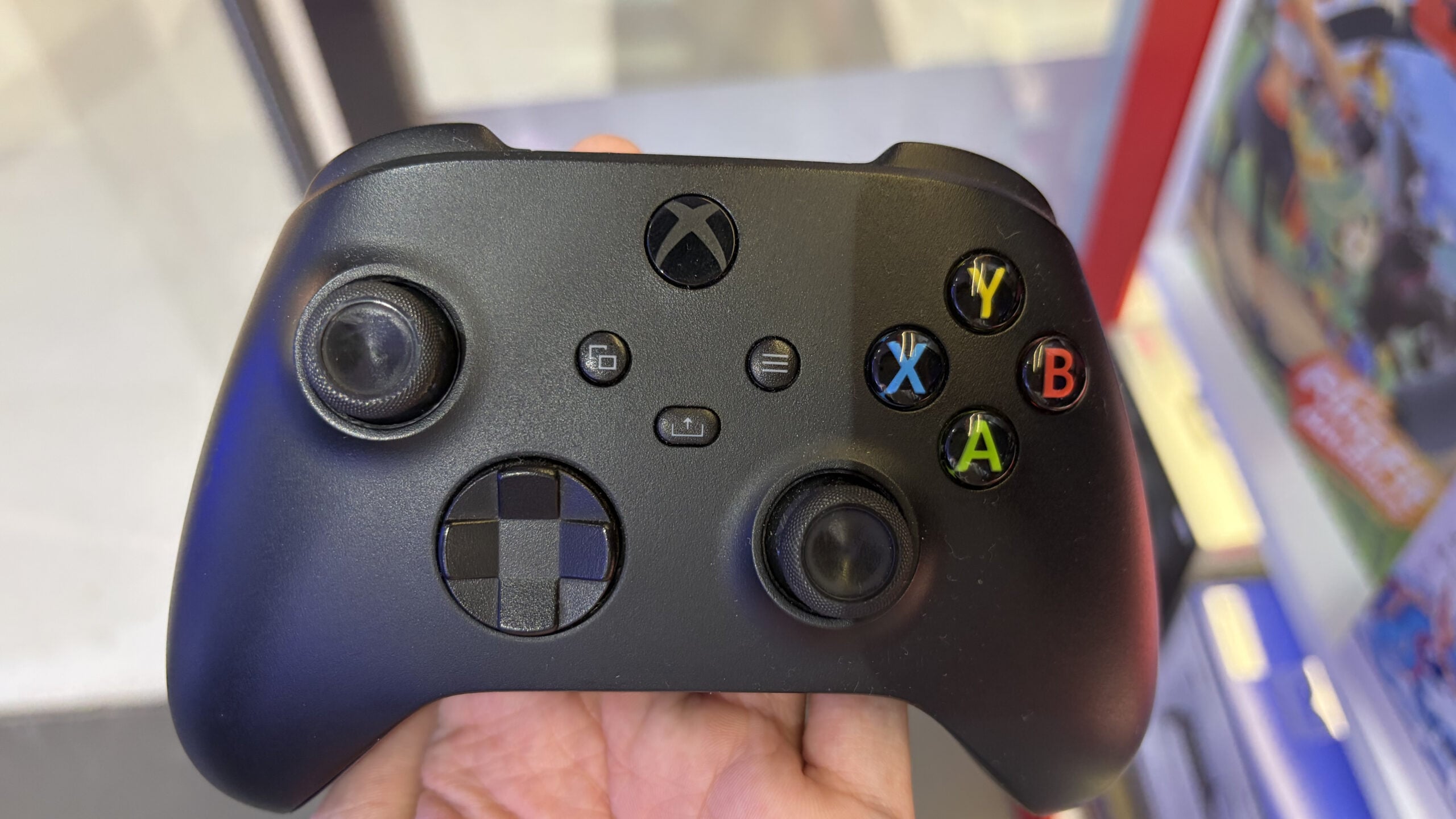


On 23 November 2026, Windows Central reported that the next Xbox, known as Helix, was meant to launch without a paywall for online multiplayer, but that rising RAM and component costs, along with a change in leadership, may keep the fee in place. The report comes from Jez Corden, who writes that sources close to Microsoft’s plans describe Helix as something originally conceived as “a true console-PC hybrid with access to Windows PC games and stores such as Steam, alongside another major change: no paywall for online multiplayer.” Corden is careful to note that the picture has moved since then, and that it is “less clear how much of that original vision will survive to launch.”
The original vision under Phil Spencer and Sarah Bond
According to Windows Central, the plan for Helix was drawn up under Xbox’s previous leadership, led by Phil Spencer and Sarah Bond. Under that plan, Helix was not framed as a console with some PC features bolted on. Corden describes it as “essentially a full gaming PC with the capability to run all of your existing Xbox console games on top,” something that would be “functionally similar to the Xbox Ally PC gaming handheld, with a gamepad-first Xbox-style full-screen interface, complete with the capability to exit out to the Windows desktop and install whatever you want.” He adds that this “indeed, included Steam.”
That design choice carried a consequence for Microsoft’s subscription business. Corden writes that as part of this strategy, Xbox “would have had no choice but to drop the paywall for multiplayer from Xbox Game Pass (formerly Xbox Live Gold),” because “there’s no universe where a true PC could function with a multiplayer paywall.” On Corden’s reading, a machine that can boot to a Windows desktop and install any storefront could not gate online play behind a recurring fee while PC games ran alongside it without one.
The key detail in the Windows Central report is that this was not an abstract idea. Corden says he understands that “removing the paywall was costed into this strategy,” meaning the lost subscription revenue was factored into the business case for the device. He also flags the obvious trade-off: without that subsidy, Helix “would’ve been an expensive device with profitability falling almost entirely on the upfront cost, like any PC or laptop.” None of this has been announced by Microsoft, and the whole account rests on sources described by Windows Central rather than on any public company statement.
New leadership, RAM prices, and a more traditional console
Corden writes that the original plan “was developed under Xbox’s previous leadership” and that “with new management, rising component costs, and a shifting hardware strategy,” the outcome is uncertain. Following Spencer’s retirement and Bond’s departure, Windows Central says a new Xbox has come into view under Asha Sharma. The report observes that under Sharma, “Xbox figures today seem to be hinting that it will be more of a traditional console, with a console-first interface, albeit with the ‘ability to play your PC games.'” That phrasing is a hint picked up by Windows Central, not a published product specification, and it does not clarify whether third-party storefronts would be included.
The economics matter here. Corden notes that the plan was “conceived before the AI-driven RAM crisis exploded prices,” and memory is one of the components where AI-driven demand has pushed costs up. Dropping the fee would therefore strip out a steady revenue stream at exactly the moment the bill of materials is getting heavier, which is the tension Windows Central describes. Existing hardware is already more expensive: Americans paid 29% more on average for an Xbox Series console in October than a year earlier, and a PS5 costs more six years after launch.
That tension cuts both ways. A more traditional, console-first Helix may be easier to square with a subscription, but it would also sit further from the open-platform concept Corden describes. Corden is explicit that the current state of play is not known from the outside, writing that “we don’t know what the current plan is either way, and given the unstable economic environment, maybe Microsoft doesn’t even know itself.”
What Microsoft has actually confirmed
Very little. Microsoft has not confirmed whether the next Xbox will charge a fee for online multiplayer, what the console will cost, when it will launch, or what its final design will look like. There is no announced Steam support, no announced Windows desktop mode, and no announced removal of the multiplayer paywall. Everything above is attributed reporting, and the hedging in the original article is deliberate.
Pricing speculation should be treated with the same caution. Polygon’s coverage of the Windows Central report, published 24 November 2026 by Elijah Gonzalez, cites one estimate placing potential manufacturing costs between $1,200 and $1,800. That is one estimate referenced by Polygon, not a Microsoft figure, not a confirmed bill of materials, and not a retail price. It is useful only as a signal that next-generation hardware is expected to be costly, which is the same pressure Windows Central points to.
Readers following the hardware side of this story can also revisit Make Tech Easier’s earlier report on Project Helix as a console that can play PC games, which covers a separate thread of the same device. For now, the multiplayer question sits where Windows Central’s report leaves it.