
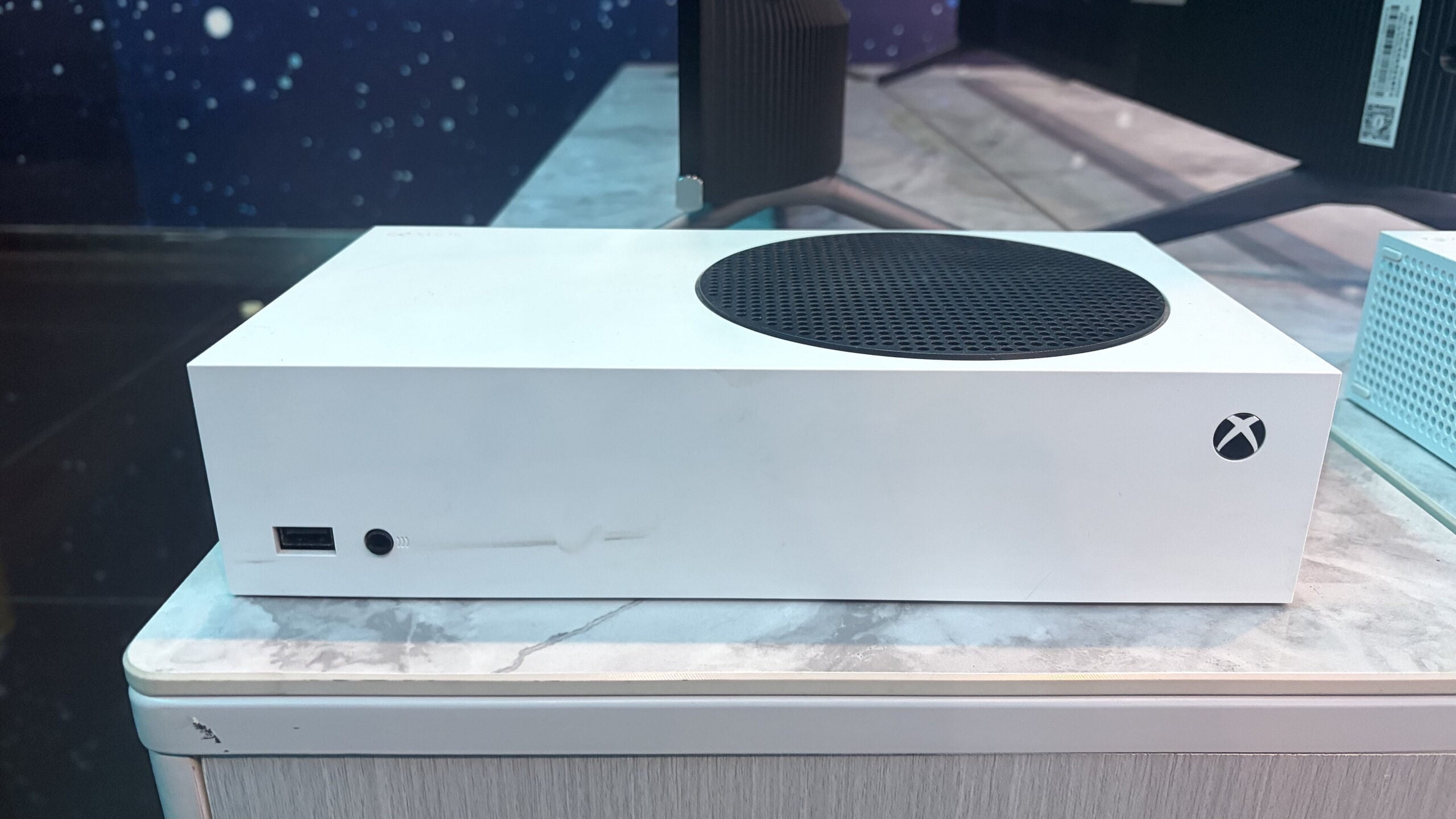

Xbox Series consoles cost American buyers 29% more on average in October than they did a year earlier, and shoppers still bought 10% more of them. That combination sits at the center of Circana’s October 2026 US video game market figures, published on 19 November by Mat Piscatella, the firm’s senior director and video game industry advisor.
The PlayStation 5 followed a similar pattern on a smaller scale. Its average selling price rose 13% versus a year ago, while unit sales rose 5%. Circana reports Xbox Series as a single hardware line, which GameSpot describes as Xbox Series X|S, and all of the figures refer to the US market only.
Piscatella summarized the dynamic in the post carrying the pricing and unit data, writing that “Higher pricing was the primary driver of the dollar sales growth on both PlayStation 5 and Xbox Series.”
Hardware dollars edged up while prices did the heavy lifting
Total US hardware spending reached $357 million in October, an increase of 2% versus the same month in 2025. According to the hardware breakdown in Circana’s thread, PlayStation 5 dollar sales grew 20% and Xbox Series dollar sales grew 42%, which was enough to offset an 11% decline in Switch 2 dollar sales. A table published by GamesBeat puts the prior-year October hardware total at $350 million for comparison.
Rank order did not change at the top. The platform ranking post states that “Nintendo Switch 2 led hardware in unit and dollar sales during both October and 2026 year-to-date, with PlayStation 5 ranking 2nd across both measures and time periods.”
One unusual entry drew attention further down the chart. Circana noted that the NEX Playground ranked 4th in hardware unit sales for the month. Piscatella later returned to the thread to head off a misreading, writing that “The NEX Playground is not outselling Xbox Series. It ranked 4th in unit sales for the month.” Circana’s highlights did not name the console in third place.
What the percentages do and do not show
Circana published percentage changes rather than dollar figures for average selling prices, so there is no stated October average price for either console family. The firm also did not publish absolute unit counts for any platform in October, which means the 10% and 5% increases describe direction and scale, not volume.
Percentages also behave differently depending on the base they start from. Speaking to Kotaku, Piscatella said that “Percentages are always tricky because the lower the number is the easier it is to get to a higher percentage change.” He added that “The spending growth was as high as it was primarily because the pricing was so much higher. People did buy more units of Xbox Series this October despite the raised price.”
The Xbox increase was not spread evenly across the month. Answering a question in the thread, Piscatella wrote that “Xbox Series units were trending down in the first two weeks of the month” before growth appeared in the week ending 24 October and escalated in the week ending 31 October.
Switch 2 unit movement came from a reply rather than the main highlights. Asked about the console, Piscatella said “October Switch 2 units were down 17% compared to October 2025.” He framed that against an unusually strong comparison point, noting in a follow-up that “Keep in mind last October was a Pokémon month.” In a later reply he expanded on the point, saying that last October was “the first Oct in market for Switch 2, so a drop was certainly not unlikely.” No Switch 2 average selling price was published.
A softer October overall, with November still unresolved
Hardware was the exception rather than the rule. Total projected US spending across content, hardware and accessories fell 12% year over year in October to $4.2 billion. Year to date, spending sits 4% behind 2025’s pace at $45.3 billion.
On the software side, the thread opens with Call of Duty: Modern Warfare 4 as the best-selling game of October, which Circana described as the 19th consecutive year that a Call of Duty franchise release topped its debut month. Gears of War: E-Day placed second on the same chart.
Piscatella offered Kotaku a cautious read on what lifted the Xbox line, framed as commentary rather than a measured split of October sales. “It’s no secret that Xbox Series hardware sales have struggled in recent years. Gears and GTA may have provided at least a temporary reprieve,” he said. Grand Theft Auto 6 did not arrive until 19 November on PS5 and Xbox Series X|S, well after the October sales period, so the month’s hardware gains cannot be attributed to the game already being on shelves.
Pricing remains the backdrop to all of it, and the reasons behind recent console increases are covered in this site’s explainer on why a PS5 and an Xbox Series S cost more years after launch. The Series S, which is included in Circana’s combined Xbox Series line, is also the subject of a separate look at why developers keep running up against its memory limit. Early signals from the GTA 6 launch window are addressed separately in a note on PS5 Pro stock during launch week.
Piscatella pointed to the next report as the real test, telling Kotaku that “Of course all bets are off for everyone in November across Ocarina, GTA and even WoW Forever.” In the same Switch 2 reply, he added that high prices on the PS5 and Xbox Series “are going to suppress what demand would have been at more normal (whatever that means now) pricing. But we’ll see in Nov.”