

We’ve had enough disturbing news lately about facial recognition to know that there needs to be some rules in place for its usage. Otherwise, we’ll all be living that life that George Orwell imagined.
The World Economic Forum agrees and has declared in a new report that facial recognition technology needs controls on its use.
Facial Recognition Use
An expert with World Economic Forum just wants governments to take individual privacy into account.
More and more businesses and governments are employing facial recognition to help them keep control, but maybe the use of this needs to have some controls placed on it as well. Once we have police and airports using facial recognition, which could lead to many great things, there needs to be restrictions so that the public truly feels protected.
“The problem’s really twofold, said Kay Firth-Butterfield, the head of artificial intelligence at World Economic forum. “Firstly, with the government use of facial recognition technology and then also with the company use of facial recognition.”
The amount of data that can be collected on your is surprising. Fingerprints and iris scanning is one thing, but facial recognition tech can collect information on you without you even knowing.
But that leads to a question of privacy. Additionally, Firth-Butterfield notes that it’s about asking, “When does use (of facial recognition technology) by the government amount to security compared to the invasion of our civil liberties?”
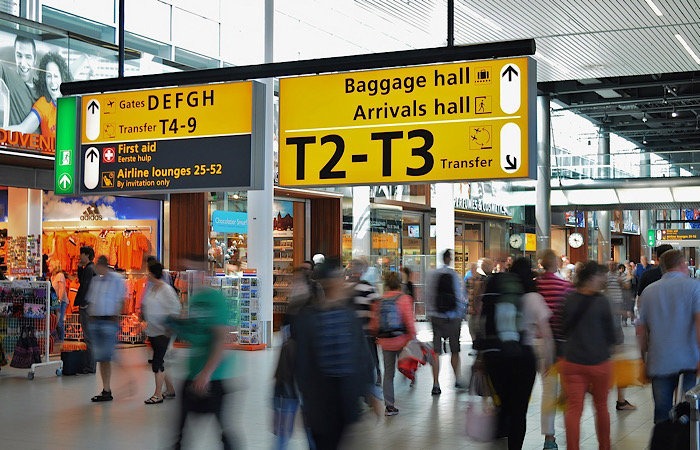
Firth-Butterfield adds that governments may argue that they can more easily stop security risks in airports with the use of facial recognition, but “Do they need it to, for example, follow us from our house to a street demonstration?”
World Economic Forum believes governments need to act to ensure fair and transparent use of this technology. They should also make sure there are safeguards in place to protect individual rights and help guide the development of social benefits.
There have been instances where people have been misidentified, and the World Economic Forum has said that studies have shown where facial recognition is biased and “performing more poorly on people with dark skin tones and women.”
India’s Ministry of Home Affairs, through the National Crime Records Bureau, took bids for building an automated facial recognition system to match faces against a database and “generate alerts if a blacklist match is found” to help identify criminals, missing persons, etc. They’re also using it in busy airports to facilitate entry.
But not everyone is happy with this advance in technology, and one reason is because India’s laws are not as up to date as other regions, such as Europe’s General Data Protection Regulation.
Facial Recognition Is Here to Stay
“Facial recognition technologies are here to stay, and they will get used,” said Deepanakar Sanwalka, an advisory leader at PwC India. He adds that this will be a continuing debate to determine appropriate use of the technology.
So at this point, while we have to accept that facial recognition is goin gto be a part of our lives, that doesn’t mean we just have to have an open-door policy. There really needs to be some type of guidelines for its usage, especially once it gets pushed to governments and airports.
What type of guidelines do you think there should be for facial recognition so that the pbulic doesn’t have to worry? Add your suggestions in the comments below.