
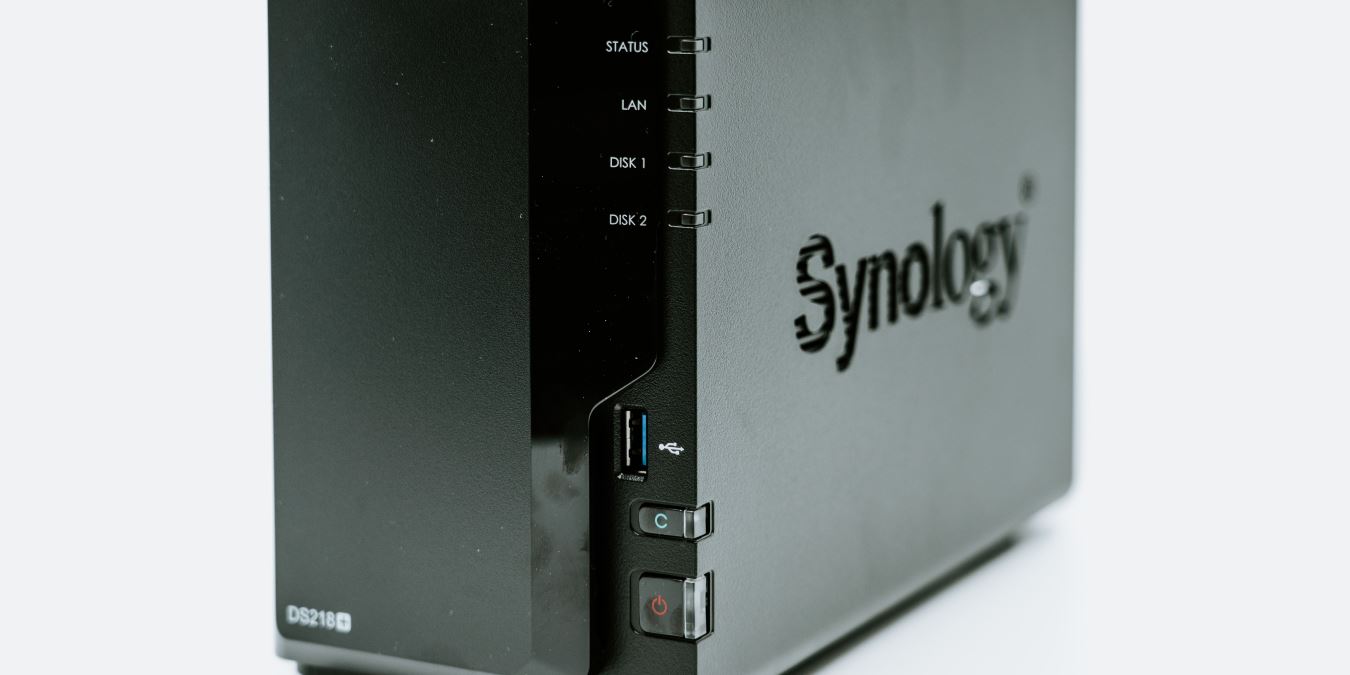

If you’ve looked behind a modern-day router, chances are there is a USB port there. This may seem odd, as the last thing you’d think to plug a USB device into is your router. So why do routers have USB ports, and how can you put yours to good use?
Also read: How to Set Up a Router
1. You Can Plug Storage into It
If you have a memory stick and/or an external HDD compatible with your router, you can access it over the Wi-Fi. Just plug it into the USB port on your router, and every device on your network should be able to access it.
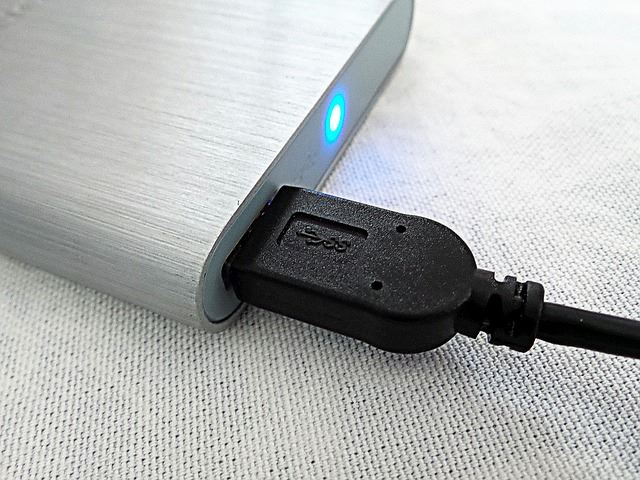
Unfortunately, it may take a little bit of work to get it working. As such, you may want to do research into both your router model and your preferred storage medium to see how to set it up.
If you can’t seem to get it to work, you can instead use a Wi-Fi enabled hard disk storage. This connects to your router wirelessly, much like the other devices on your network. This has the advantage of not needing to be near your router to connect.
2. You Can Connect a Printer to It
Much like above, you can use it to connect a printer – that is if both the printer and the router play nice. If they do, you can plug the printer into the router and make it available to all the devices on your network.
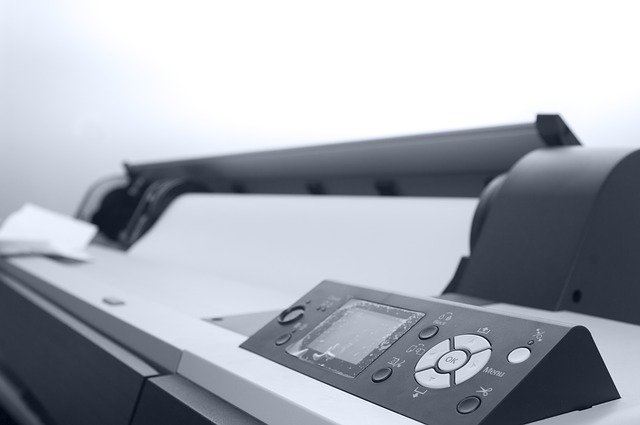
Again, much like above, you can always get a Wi-Fi enabled printer if your current one doesn’t play nice with the USB port on your router.
3. You Can Use It to Change the Firmware
Usually, routers will query update servers every so often to update their firmware. If you want to update the firmware manually or install a new one, you can do so via the USB port.
Performing this is simple: put the firmware you want onto a USB stick, then plug it into the router. Use the router’s instructions to access and run the firmware, and you’re all set.
Also read: Is Your Router Safe? 3 Ways Hackers Can Attack Your Home Routers
Before You Buy …
You may have read the above and decided that you want to purchase some hardware to make it all happen. Before you put any money down for new hardware, it’s important to note that routers can be quite different from one another. Something one router supports may not be possible for another.
As such, it’s best to do some research before putting any money down. That way, you increase the chance that your planned setup will work and play the way you expect. I am sure you don’t want to spend countless hours troubleshooting it and wonder why it didn’t work.
Making Use of the USB
Modern-day routers sometimes come with USB ports on them, but it’s not obvious what they are meant for. You can do some really useful things with it, though, if you have the compatible hardware!
Do you have plans to put your router’s USB port to use now? Let us know below.