

Apple finally got around to adding a bezel-less display to the iPhone last fall. But it wasn’t what everyone was expecting. It wasn’t just wall-to-wall display. Sure, they got rid of that iPhone-specific round Home button, but now there is a big bar at the top, what has become known as “the notch.”
Many people find it ugly and feel it takes away from what the bezel-less display should be. However, it’s suddenly become the new trend in smartphones with many Android phones now sporting “the notch” as well. Why is that? Why has something that doesn’t go well with the crowd become a new “trend”?
How Apple Wound Up with the Notch
How Apple wound up with “the notch” is really quite simple. They set out to make a bezel-less display to give as much screen real estate as possible.
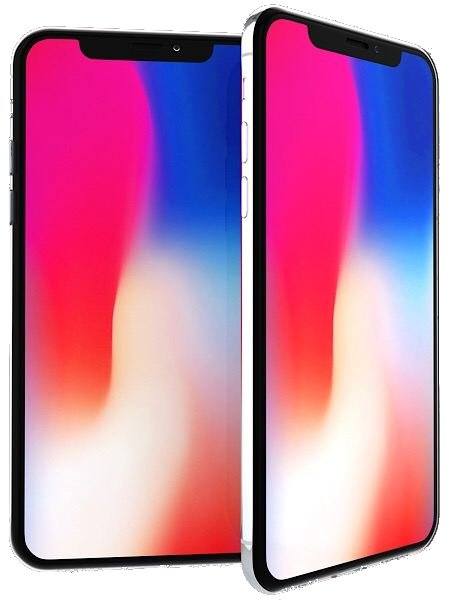
So the first thing they did was remove the bezels. Great! However, now you still had the round Home button along with the fingerprint sensor behind it to deal with. So they removed both and redid the guts and the software of the phone so that you didn’t need either one anymore.
But if you’re eliminating the Home button and the fingerprint sensor, how are users going to sign in to their phones? This was when Apple added Face ID. But in order for your phone to recognize your face, there has to be a front-facing camera. Rather than try to hide it, they built it into the top of the phone and dressed it up with a big notch around it, cutting into the beautiful display.
The Apple fans who were promised a beautiful bezel-less display on their iPhones weren’t very happy with it. But like it or not, this became the most distinctive feature on the iPhone X.
It was so disliked that apps were created to disguise the notch, such as a wallpaper app filled with screen images that had black designs towards the top so that you couldn’t see the notch. At the same time, apps/wallpapers were also added to create a notch so that you could pretend that you had an a notch.
The Imitators
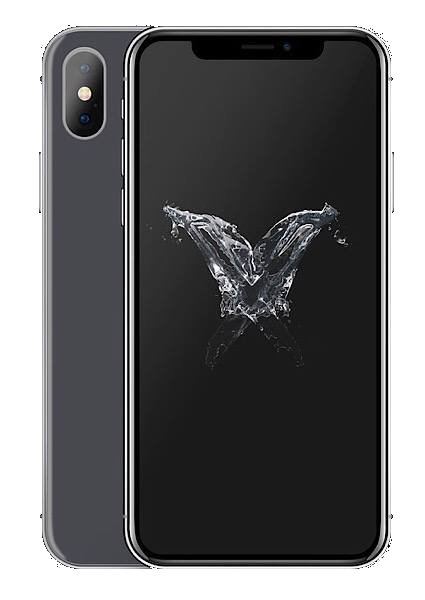
With such a controversial design, you’d think other phone manufacturers would be steering clear, right? Not exactly. The notch has brought some followers with it. Some Android phones are now adding the notch to their phones as well.
“Some people will say it’s copying Apple, but we can’t get away from what users want,” said Marcel Campos, the head of global marketing operations at Asus, the maker of the Zenfone 5, one of the newer phones also sporting the notch. “You have to follow the trends.“
But is that really what users want? Do they really want the notch? Apple was being criticized for having the notch, but now smartphone users all want it? Or is it just that it’s a design that’s being implemented in Apple, and so many people are talking about it, making it a trending topic, that phone designers assume everyone wants it?
The craziest thing yet is that some of these newer phones sporting the notch don’t even need it. Apple put it there because they eliminated the bezels, the Home button, and the fingerprint sensor, and they were working around the camera being used for Face ID. But some of these other phones don’t even need it. They still have bezels and a fingerprint sensor, so they don’t even need the notch. Why is it there?
No one knows for sure, but the best guess is because the iPhone X has the notch and everyone is talking about it, so it’s become the new must-have feature for smartphones.
What’s Next?
The notch is becoming the 2017/2018 must-have feature for smartphones, whether it’s necessary to the design or not. What will be the next thing every smartphone will have to have and which phone will it be emulating? Another iPhone? Let us know your thoughts about future designs and what you think of the notch in the comments section below.