

Twitch is one of the biggest video game streaming sites in the West, attracting a lot of gamers to its platform. Recently, however, the site has fallen prey to China’s watchful eye, which has blocked access to the website across all of China.
This occurred after Chinese users swarmed to Twitch to see the only stream of the Asian Games in Jakarta. This means that Twitch has been officially added to the blacklist of the “Great Firewall of China,” where other popular sites such as Facebook, Twitter, and YouTube can be found. So what exactly is this “Great Firewall,” and why is China doing this?
Also read: Internet Censorship: How Countries Block Their Citizens from Entering Websites
What Is the “Great Firewall of China”?

First of all, this is much different from the firewalls that can be found on your computer! The term was believed to be coined in 1997 by Geremie Barmé. The more official name for it is the “Golden Shield Project,” which the Great Firewall is a major part of.
The Chinese government views the Internet as something they should have complete control over. They state that the goal of the Golden Shield Project is to protect the people from attacks and criminal activities, but it also uses this power to squash criticism and outsider views about the government itself.
While the government can keep tabs and enforce rules on their own media, it becomes a lot harder to control the media of other countries where criticism of the Chinese government is legal. The Internet is awful in this regard, as users can very easily access media sites from other countries and read news that the Chinese government rather they not read. Due to their lack of power over foreign sites, they respond instead by blocking these channels from Chinese citizens completely.
There’s even a tool to see what sites have been blocked by the Great Firewall. Simply enter a URL into the Blocked in China checker and see if it’s allowed or not!
How Are Sites Blocked?
First, to ensure that the Golden Shield Project is actually effective, the Chinese government has control over every Internet Service Provider in the country. With this achieved, they can then set up a blocking system that stops users from accessing forbidden content.
The great firewall has different blocking methods to ensure a tight seal. If the user enters a URL and the DNS server responds with a blocked IP address, the firewall will corrupt the connection details (known as DNS poisoning) to stop the page from loading properly. If the user tries to connect directly via the IP, the Great Firewall detects and blocks this. The firewall also scans URLs to ensure the page doesn’t contain sensitive keywords and blocks it if it does.
Why Did Twitch Get Blocked?
Twitch was probably blocked for the same reason that other sites got blocked: it could be an avenue through which criticism of the Chinese government can trickle through the Golden Shield Project. Twitch streams have a chat where people can type their opinions, the freedom of such being entirely dependent on the streamer and their moderators. This makes it easy for anti-government criticism to be heard by Chinese citizens, and as such, Twitch had to be blocked out.
The Crack in the Wall
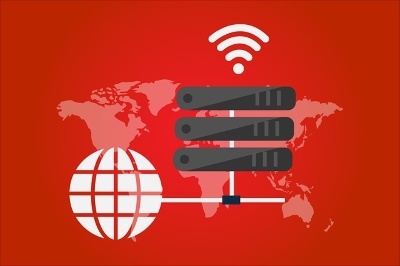
If you’re an avid user of Facebook or Twitter, you may find it strange to hear that the Great Firewall blocks those sites when you’ve seen people in China happily using the service. This is because they use a VPN service that masks what site the user is trying to access. This skirts past the checks and allows a user in China to see sites that are otherwise blocked. It is worth noting that performing this action is against the law, so it’s not entirely foolproof! Even then, not all VPN services will work in China as the Great Firewall is actively blocking the IP addresses of popular VPN services, too.
Breaking Down the Wall
With more and more sites being added to the Great Firewall of China, it’s worth knowing what, exactly, it is. Now you know what it is, why it was built, how it works, and how the Chinese citizens are skirting it.
Do you think other countries will see something similar to the Great Firewall in time? Or are we already seeing it in action? Let us know below!