
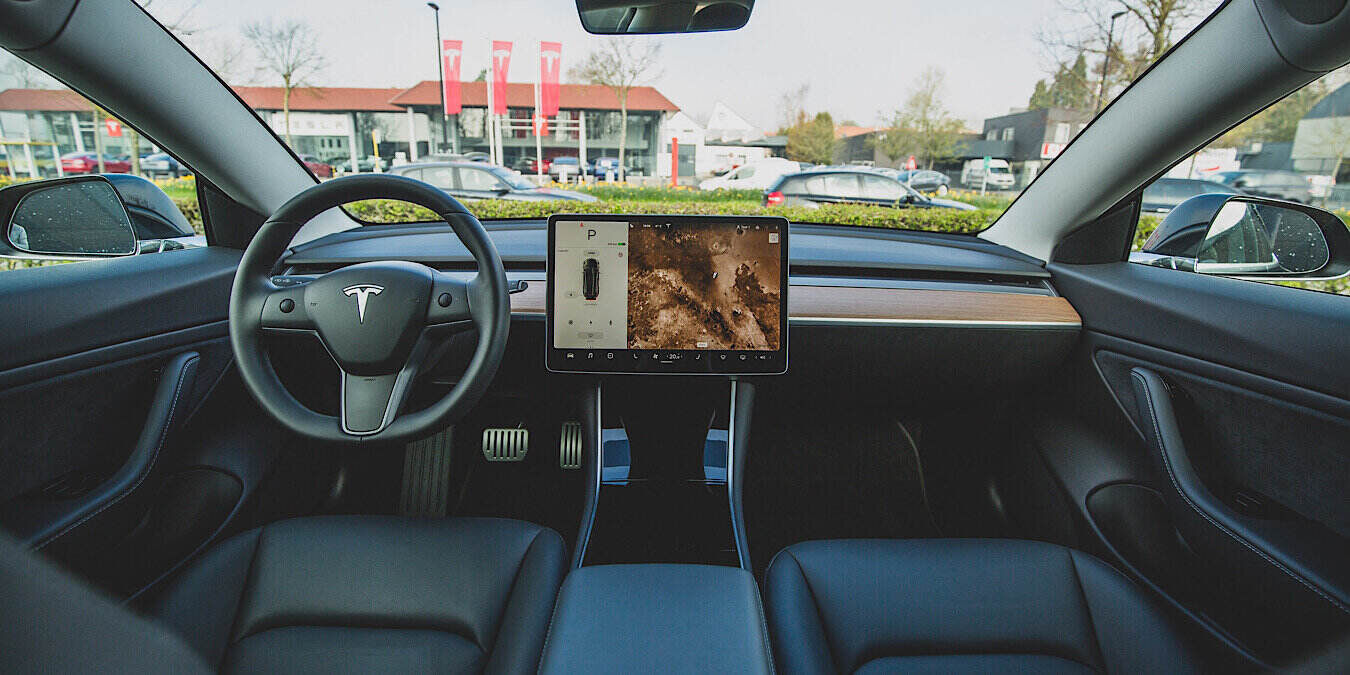

Lidar has been in the news often as of late, perhaps showing it’s the wave of the future. However, one tech pioneer, Tesla CEO Elon Musk, doesn’t put as much stock in lidar. He’s pushing his autonomous cars to be road-ready and refuses to add lidar sensors, while many other autonomous vehicle manufacturers believe it makes it safer.
Skepticism of Industry Leaders
Elon Musk is moving ahead with what he refers to as “full self-driving.” A group of drivers was selected to receive a software update that enables Tesla vehicles to better steer and accelerate without human interaction. The company says thousands of cars will be able to drive themselves as soon as this year, which could make the company the first to have a fleet of autonomous vehicles at the consumer level.
Others in the self-driving industry don’t believe Tesla cars are as safe. A coalition that includes General Motors’ Cruise, Ford, Uber, and Waymo criticized Tesla, saying its vehicles aren’t truly autonomous, as they still require a driver.
Further, they don’t believe the Tesla cars are safe enough to be autonomous because they don’t include lidar sensors. These are placed outside the cars to detect the size, shape, and depth of objects in its path.
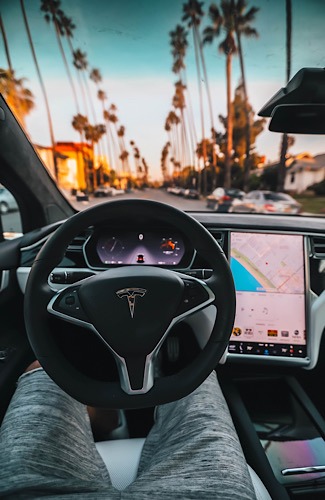
But Tesla wants to accomplish this with its own cameras and a radar that connects to an advanced neural network. The technology can detect vehicles, pedestrians, and trees, but it can’t see the true shape or depth of the object.
Lidar has also been in the news the past few weeks because it’s included in the new iPhone 12 Pro and iPhone 12 Pro Max. This makes you question why Apple can include it easily on a smartphone, but Tesla can’t put it on a car in the interest of safety.
Musk has said lidar is “expensive,” redundant, and “a fool’s errand.” He has said anyone who relies on it is “doomed.” Further, he said he wouldn’t include lidar on the Tesla fleet, even if it were “totally free.”
The other manufacturers are fully testing their self-driving features before making them road-ready, but Musk prefers to let his customers test out these features that are often safety-related.
The companies developing robocars for ride-hailing — Waymo, Zoox, Uber, and Cruise – all use lidar in the vehicles. These companies believe it’s critical for making quick observations, no matter the conditions, and that it fills in the gaps where cameras can often fall short.
Tesla Cameras Replicate Lidar
Musk said the new software being released slowly to users starting this week will better capture the view outside the cars and will more seamlessly integrate the footage the Tesla cameras collect, stitching it together, leading to a multidimensional view.
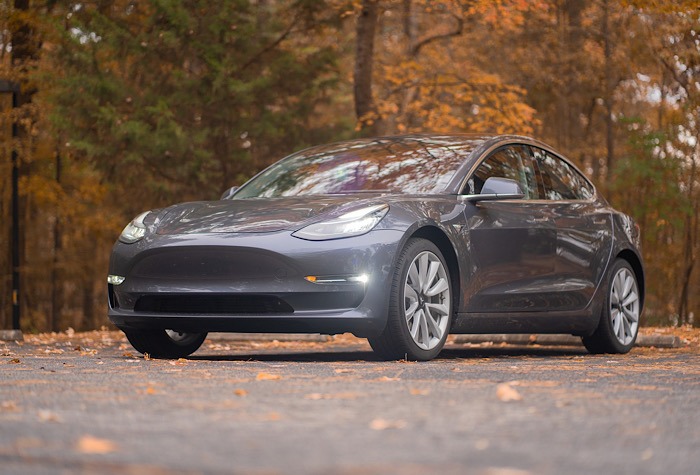
The cameras will collect data that engineers will be interpreting. They will replicate a core function of lidar, as they will show what’s happening around the cars.
“They’re trying to combine all the feeds from the cameras into one full video and label it in real time,” said Eshak Mir, a former Tesla Autopilot engineer. “With that, you’ll be able to pick up a full sense of depth.”
But consider the situation Zlatko Unger, who owns a Tesla Model 3, observed. He drove to a horse park, and his Tesla, with its camera system, displayed a hazard on its screen. The system thought it was looking at traffic cones. Instead, it was looking at piles of horse excrement.
Would you feel safe in a car that confuses traffic cones for piles of excrement? Read on to learn about Tesla’s last software update that allows the cameras to interpret speed limit signs. If it’s still at the point of working out these types of features, maybe it’s not so road-ready yet.