Recently, Blackberry has teamed up with Google Android for the BlackBerry PRIV smartphone. Let’s take a look at what security benefits the BlackBerry PRIV is going to bring to Android’s platform.
Companies like Symantec and FireEye have shown concern regarding malware on Apple devices, particularly iOS. This brings up a good point: Apple users should start thinking more about security. Here’s why.
Not everyone can figure out NoScript or Ghostery, though those are great browser extensions. So for this article we’ll show you the best security add-ons for Firefox that don’t intrude on your browsing experience.
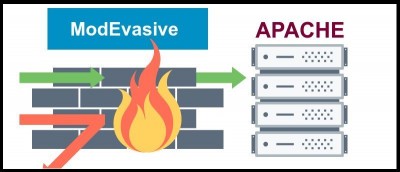
Mod_evasive is an Apache module that provides evasive action in the event of an HTTP DoS, DDoS, or brute force attack. Here’s how to use it to keep Apache secure.
Looking for extra Windows security? In this article we show you how to add PIN security to your Windows 10 account and explain why it’s a better option.
Hardening is the process of reducing vulnerabilities and securing a system from possible attack points. In this article we show how to do this on Linux.
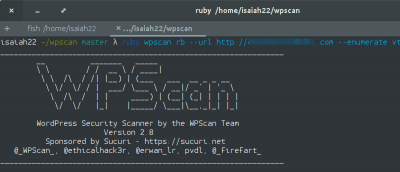
WPScan is a Ruby-based WordPress security scanner that runs from the command line. Here’s how to use it to audit WordPress security and detect vulnerabilities.
The newly announced Android Pay by Google doesn’t require you to enter your PIN for your cards. Is this actually safe? Are PIN-less payments the way to go? Let’s check it out.
Security questions are supposed to be yet another secure way to log in to your account in case you forgot your password, but it is really a bad idea. Here’s why.
While the Internet of Things might seem like it will help a lot of people, security is a big issue that needs to be carefully assessed and looked into.
To ensure you are safeguarding your computer and Internet activity, it’s necessary to use the following tips to lock down your insecure wireless router.
While Ubuntu is generally secure, there are some default settings that can be exploited easily. This article will show you some ways to secure your Ubuntu.
You probably have an online banking account. What if someone decided to hack into your account and steal from it? How secure do you think your bank account is?
Google has just discovered a POODLE exploit that can affect millions of browsers worldwide at this moment. Let’s see how you can protect yourself from POODLE exploit.
One way to encrypt your files is via the public/private key. Let’s take a look at the public key encryption concept to understand how it can protect you.
If there was a breach and your encrypted password was leaked. Is your account at risk? Read on to find out how password hashing work and how it affects you.