


There’s been much said over the past few years about the dominance of the big tech companies. This kicks the interest level up a notch when there is in-fighting between the companies. Google and Roku are currently in a dispute culminating in the search giant packing up its toys and going home. Google is pulling its YouTube apps away from Roku, a smaller player in the tech game, but a player nonetheless.
The Google-Roku Dispute
Google made an announcement that it will no longer allow Roku users to download YouTube apps beginning in December 2021. Users who already have the apps downloaded will be able to keep them, while new users will be out of luck.
This announcement followed a months-long battle between the two companies. Roku claims Google is forcing its hand by using its dominance.
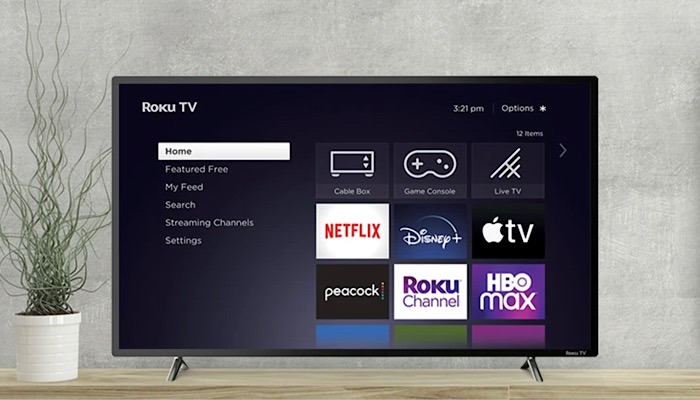
The backbone of this dispute revolves around a 2019 agreement between Google and Roku to allow YouTube TV on Roku devices. Roku claims Google demanded special access to search data from Roku users as part of the terms of the agreement. Google also requested prioritized search results through Roku’s search for YouTube videos.
While Roku admits it agreed to Google’s demands, it claims it requested that Google not ask for further data. This was not acceptable to Google. Barring an unlikely agreement, the YouTube apps will be removed from the Roku store on December 9.
Shortly after Roku published a blog post detailing its side of the dispute, a Google spokesperson said in a statement, “Roku has once again chosen to make unproductive and baseless claims rather than try to work constructively with us.”

Google had previously said way back in April, “To be clear, we have never, as they have alleged, made any requests to access user data or interfere with search results. This claim is baseless and false.”
A September 2019 email says differently. A Google executive wrote an email to Roku that reads in part, “YouTube Position: A dedicated shelf for YouTube search results is a must.” CNBC was witness to the content of the email.
Congress Uses Google-Roku Dispute to Push Agenda
The Google-Roku dispute over search data and the YouTube apps was recognized by Congress and used to push legislation to diminish the dominance of the big tech companies. Roku isn’t seen as big tech, but Google definitely is. Yet, Roku is no small mover in the tech world either. As of the second quarter of 2021, there were around 55 million Roku users in the U.S.
Sen. Amy Klobuchar and Rep. David Cicilline are both pushing antitrust legislation and siding with Roku.
“For too long, the big tech platforms have leveraged their power to preference their products and services over those of thousands of smaller online businesses,” said Klobuchar in a statement after Roku published its blog post.
“Roku’s claim that Google requires the company to preference YouTube content over that of other providers in Roku’s search results highlights why we need new laws to prevent dominant digital platforms from abusing their power as gatekeepers,” continued the senator.
Likewise, Cicilline tweeted, “This is the exact type of shakedown that my bill, the American Innovation and Choice Online Act, would stop. We cannot allow Big Tech to continue to throw its weight around, bully other businesses, and harm consumers. This must end. #ReinInBigTech.”
As the chair of the House Judiciary subcommittee on antitrust, the congressman introduced a package of bipartisan bills in June. Klobuchar sponsored similar bills in the Senate.
Read on to learn about the antitrust investigation Apple was hit with for its “Sign in with Apple” and the U.S. Department of Justice’s antitrust lawsuit against Google that led to rumors that Apple is working on its own search engine.
Image Credit: Google Press Corner and Roku TV
Also read: Which Roku Streaming Device Should I Buy?