
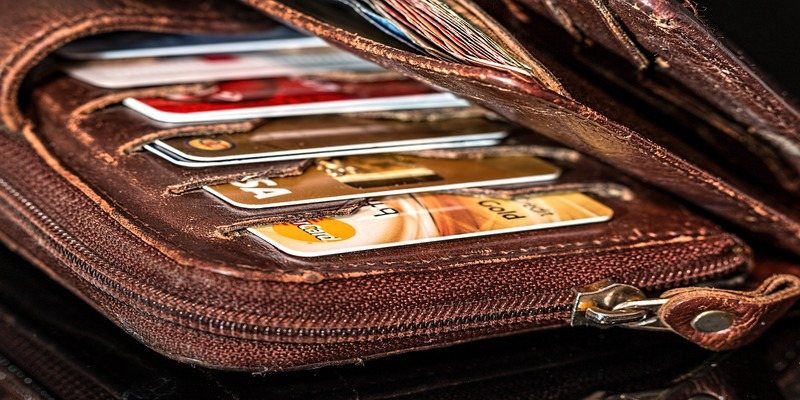

An RFID blocking wallet protects your sensitive information from being breached without your knowledge while in your pocket. As much as we’re aware that we should be careful not to share passwords and be cautious on how we handle our account information, such information can get into the wrong hands.
Thieves can steal information from your credit cards while standing right next to you, especially if the card has an embedded RFID chip. Such credit cards allow you to make fast payments by simply touching the card to a scanner instead of inserting it into a terminal, or quick swiping.
Once they copy the RFID data, thieves can create a clone of your card. Thanks to RFID blocking wallets, your card and sensitive data therein is protected.
Also read: What is NFC and Why Is It Useful? [MTE Explains]
How RFID Technology Works
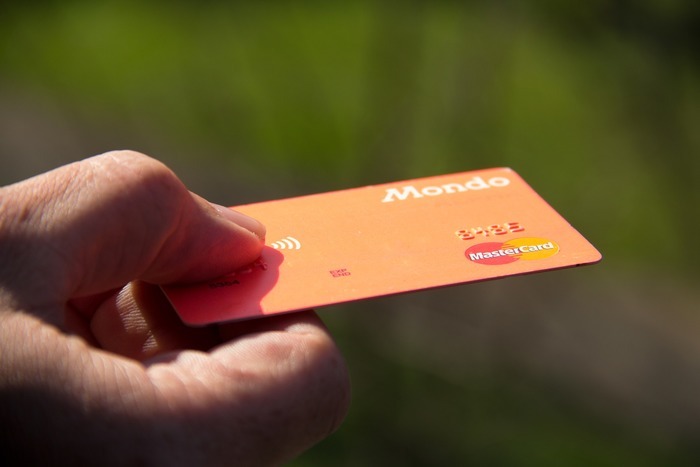
RFID (Radio Frequency Identification) technology uses an electromagnetic field to identify and track objects via tags that contain digital information. Unlike traditional barcodes used to identify items in stores or inventory management, RFID has the basic information on a product, plus access to sensitive information and tracking capability.
RFID technology makes our lives much easier as it helps speed up payments, the checkout processes when traveling, and contactless payments.
Unfortunately, criminals have become more creative and have discovered how to take advantage of RFID technology to steal credit card numbers and other forms of identification. They do this by remotely skimming your wallet using an RFID transmitter.
These RFID scanners pick up information from your credit card including CVV codes and expiration dates, and use this for theft.
The electromagnetic field makes it easier for them to steal with ease by simply walking close by without physical touch between the scanner and your wallet. Before you know it, they’ve already obtained your information and transferred the data to a new card and can access your accounts in seconds.
What an RFID Blocking Wallet Can Do
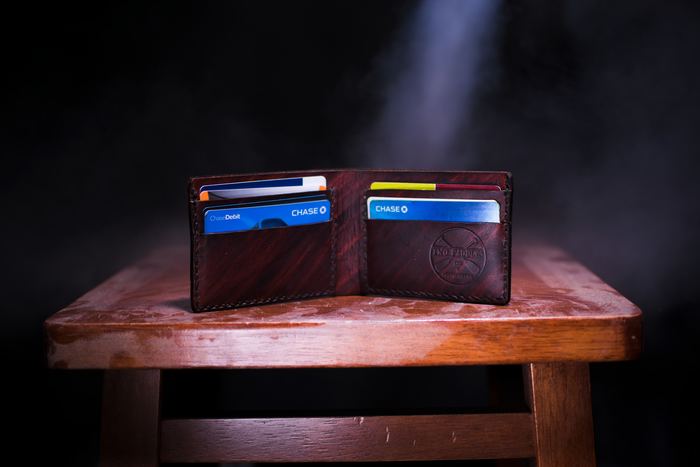
An RFID blocking wallet blocks thieves from getting your credit card information. They contain a layer made from metal or carbon fiber, which blocks electromagnetic fields from getting to your RFID-chipped credit card. This blocks any communication between your card and the scanner.
This way, your credit cards remain safe. However, they must be inside the wallet to stay protected, as mere proximity to the wallet doesn’t guarantee protection.
Also read: How Safe Are Contactless Cards?
Do You Need an RFID Blocking Wallet?
Yes and no.
If your credit cards don’t have RFID chips, then you don’t need an RFID blocking wallet. However, if your cards are RFID-chipped, there’s a potential risk of being maliciously scanned.
Ultimately, the decision to get one lies with you. If you feel the risk isn’t worth buying an RFID blocking wallet, then you probably don’t need one. Furthermore, second-generation RFID-chipped cards encrypt and protect the data they transmit. This is unlike first-generation cards whose supply is dwindling by the day.
But if you’re willing to go the extra mile for peace of mind, go ahead and buy one.
In any case, most RFID blocking wallets are affordable, and some even have a 365-day money-back guarantee to boot.
Credit card theft is a common crime. While you shouldn’t be overly concerned about RFID skimming, it’s okay to take precautions, as thieves are constantly reinventing themselves.
Have you been a victim of RFID-skimming? If so, do you use an RFID blocking wallet now? Share your experience with us in a comment below.