
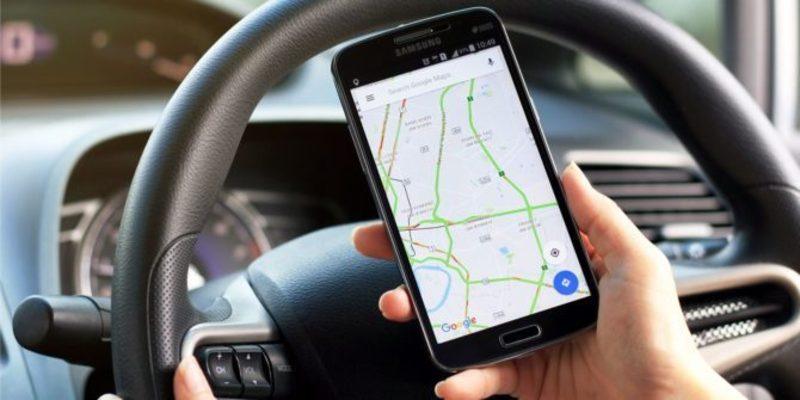

In a previous post we showed you how to stop websites from asking for permission to access your location. Has it ever occurred to you that sharing your location data with Google might be helpful? While it’s natural for us to distrust Google’s intentions, allowing them to collect location data can help us add new functionalities to our favorite apps.
Of course, there are privacy concerns to worry about. Many people also hate the fact that this information may be used for targeted ads. But keep in mind that the essence of Google Maps is to enhance users’ experience. Therefore, granting Google permission to collect data can work for our own good. Here are five reasons why you might actually want to give Google your location data.
1. Targeted Search Results
By giving Google access to your location data, you enable them to provide you customized results based on your location. This way when you search for places, your search results will populate links to places within your locality first. For example, if you type “Hilton,” Google will display the Hilton hotel that is closest to you on top of the search results.
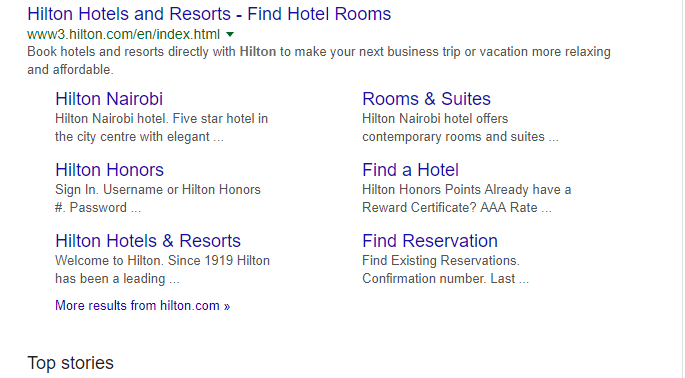
You can also use the same targeted search results to learn more about the number and types of businesses within your vicinity. This might come in handy, especially when you’ve just relocated to a new place. By just typing in “hotels” and “then near me” in the search bar, Google will promote links to all the hotels within your locality on the top of the search results.
2. Let’s You Know the ETA to Your Destination
Want to know your estimated time of arrival (ETA)? Google can help with that one, too, but they will first need to know your location. This will require not just your location but also aggregate data from other users to give an estimate of the current traffic conditions.
Google Maps provide traffic info and routes recommendations based on two parameters: historical data about the average time it takes to use a particular route on specific days at specific times and real-time data sent by smartphones and sensors that show how fast cars are moving. They combine data from these sources to come up with the best prediction possible.
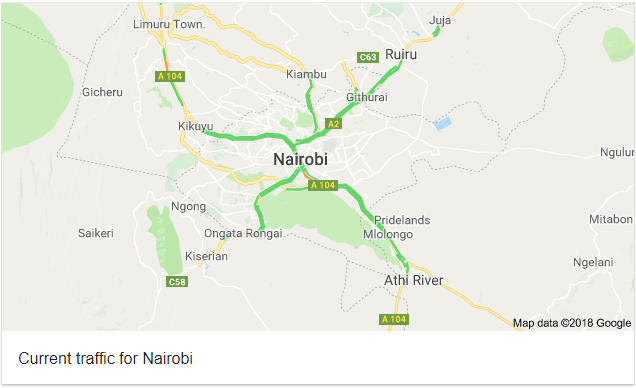
You can also determine your ETA by just looking at Maps. Google Maps uses red, yellow, and green routes to indicate heavily congested, slow-moving, or clear/no traffic respectively. The color of the routes as marked in the Maps should give you an inkling about the state of the roads. This can help you to determine the fastest route to your destination.
3. A Better Google Assistant
Google Assistant is designed to work as a real-world secretary. For it to serve you better, it has to know you better. Without much info about you, it will only be limited to the general tasks. As such, giving Google Assistant your location data can expand its functionalities.
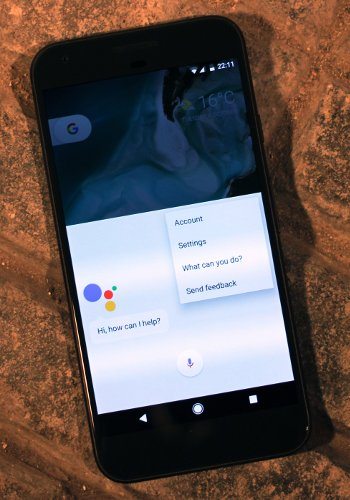
With your location data, Google Assistant can give you weather updates at your location as well as inform you of your daily commute. It can also provide you target recommendations based on your location. Better still, Google recently added location-based reminders so your virtual assistant can now remind you what you’re supposed to do upon reaching certain places.
4. Find Past Locations
Ever visited a deluxe hotel with friends or family but can’t recall its exact location? It happens and the experience is not so good. However, with Google’s Location History enabled, that will be a thing of the past. Why? Location History enables Google to track and save your location data throughout the day.
Google hence lists every place you visit, making it easier for you to remember and identify the places you have been before. What’s more, Google will even show you the dates and the number of times you’ve visited a particular place, if Location History was enabled when you were there.
5. A Perfect Alibi
Last but not the least, your Location History can be all you need to bail yourself out of a crisis. It can be a perfect alibi in times of need. You can use Google Location History to corroborate your claim that you were not in a certain place or location when a crime occurred. While such evidence might not be admissible in court, it can be very useful should your significant other question your past travels.
The Bottom Line
Google from time to time asks users for permission to access their location. While most people dismiss or even disable that functionality, giving Google access to your location might not be as bad as stereotyped.
What do you think about the idea of giving Google permission to access your location? Share your thoughts with us in the comments section below.
Image credit: Android Assistant on the Google Pixel XL smartphone